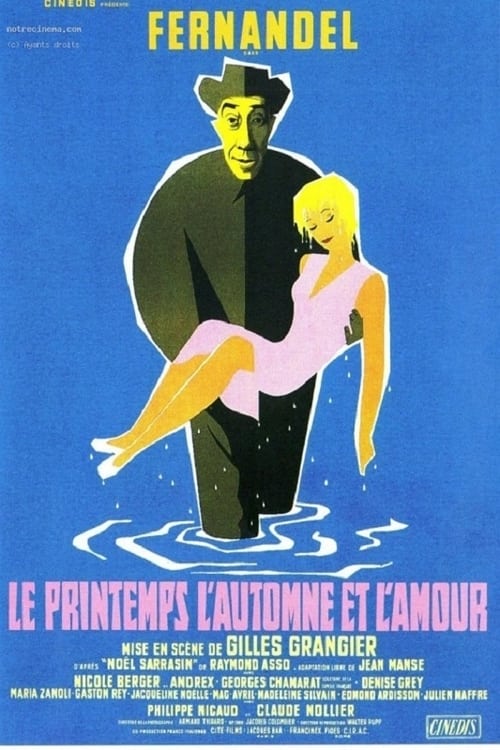
Spring, Autumn and Love
1955
No user ratings available yet
Diversity score: 2.7 out of 10
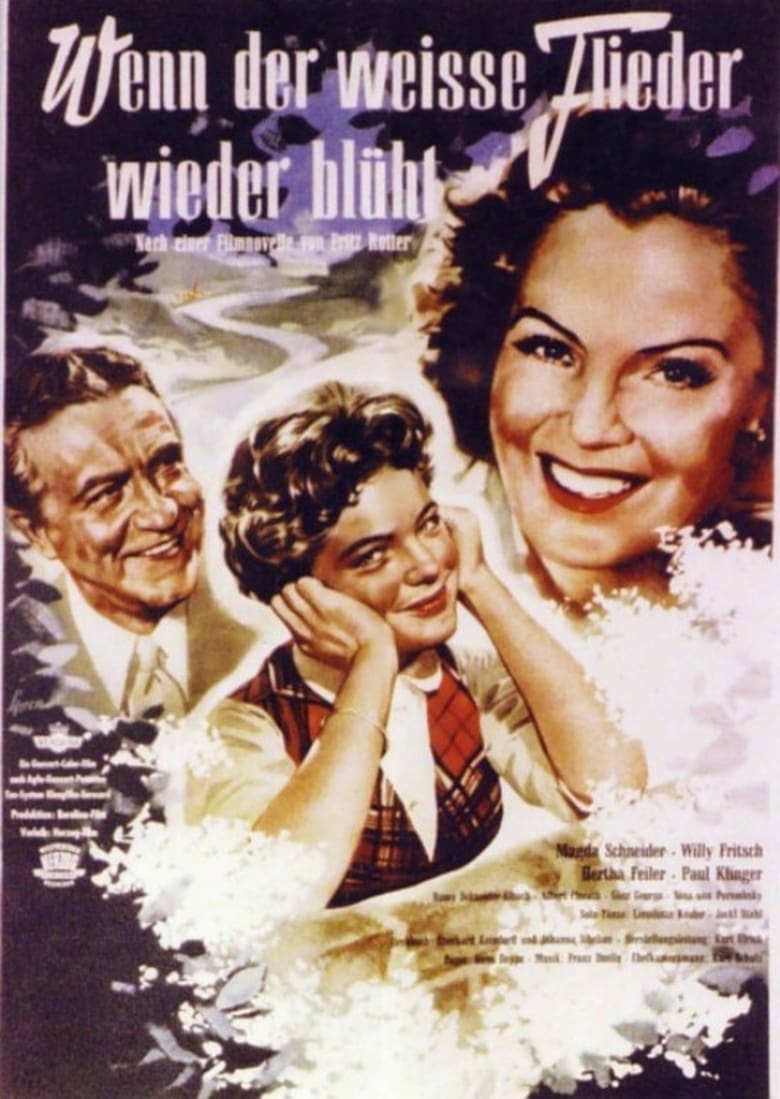
1953
Director
Hans Deppe
Runtime
97 minutes
Average Rating
No ratings yetSynopsis
Married couple Willy and Therese go separate ways. Willy leaves town and returns years later as a famous singer. But Therese is about to marry her best friend Peter. Little does Willy know that he and Therese now have a teenage daughter.
Overall Score
Minimal
Category Breakdown
LGBTQ+ Representation
The story centers on a traditional heterosexual romantic triangle. It reinforces mid-century romantic tropes without exploring non-cisnormative identities.
Gender Representation
Therese serves as the emotional pivot, yet her agency remains tied to maternal and marital roles. The film follows conventional dramatic structures regarding gender.
Racial & Ethnic Diversity
The narrative reflects the ethnic homogeneity typical of 1953 West German cinema. There is no evidence of intersectional casting or non-European characters.
Religious & Cultural Diversity
The plot upholds conventional Western values regarding family cohesion and social propriety. It operates within a framework of traditional social stability.
Disability Representation
The film provides no mention of characters with visible or invisible disabilities. No representation in this category is present.
Strengths
Areas for Improvement
AI Analysis
Hans Deppe’s film is a quintessential mid-century drama that prioritizes traditional romantic and familial structures. The narrative focuses on the reunion of a separated couple and the discovery of a teenage daughter, adhering to the conservative social mores of post-war West German cinema. Because the film relies on established social hierarchies and conventional moral frameworks, it lacks the intentionality needed to disrupt status quos. The storytelling is designed to uphold standard social stability rather than offer subversive or intersectional perspectives.
1955
1928
1955
1938

1965

1952
1964
1946
1943
1946
1946
1956
No reviews yet. Be the first to share your thoughts on this movie!
Use the rating form above to leave a star rating and optional review.