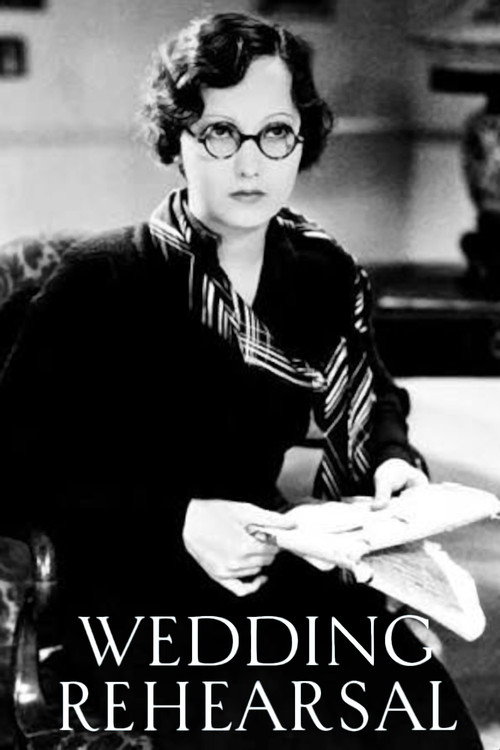
Wedding Rehearsal
1932
No user ratings available yet
Diversity score: 2.8 out of 10
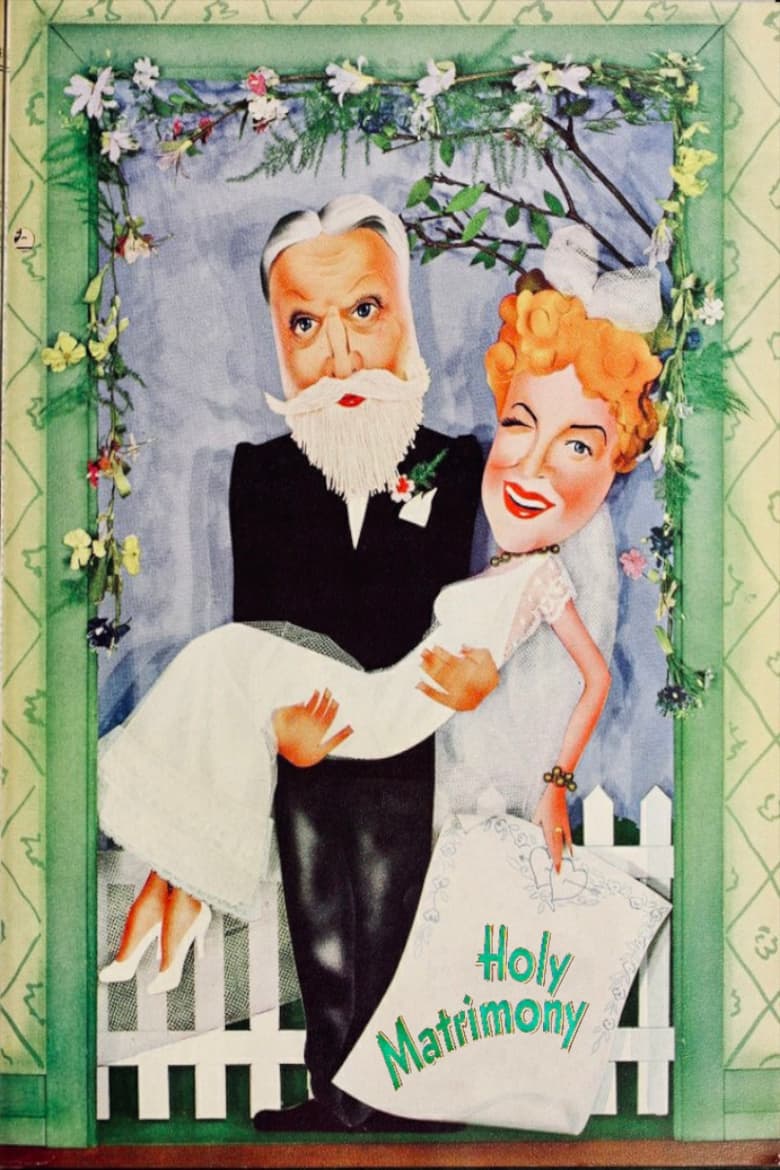
1943
ApprovedDirector
John M. Stahl
Runtime
87 minutes
Average Rating
No ratings yetSynopsis
An artist returning from years abroad takes the identity of his dead valet and gets married, but then there are complications.
Overall Score
Limited
Category Breakdown
LGBTQ+ Representation
The film lacks explicit depictions of queer identities or intimacy. The central plot involves a man assuming a different identity, but this serves as a comedic device for class satire rather than exploring sexual orientation.
Gender Representation
Gracie Fields provides a strong comedic foil to Monty Woolley, yet the plot remains driven by the male protagonist's deception. The narrative follows traditional tropes and does not significantly subvert gender hierarchies.
Racial & Ethnic Diversity
The story focuses on a homogeneous British social circle within London and the tropics. There is no evidence of a diverse cast, as the narrative centers on the English aristocracy.
Religious & Cultural Diversity
The film offers light satire of Western institutions, such as the monarchy and the sanctity of Westminster Abbey. It critiques social performativity without adopting a radical anti-institutional stance.
Disability Representation
Illness serves as a functional plot catalyst rather than a means of providing character agency. The depiction of double pneumonia is used solely to trigger the central mistaken identity conflict.
Strengths
Areas for Improvement
AI Analysis
Holy Matrimony functions primarily as a sophisticated comedy of manners centered on mistaken identity. While the film uses satire to poke fun at the rigidity of British social customs and the weight of institutional honors, it lacks engagement with intersectional identities. The narrative architecture relies on the friction between individual desire and societal expectations. It remains firmly rooted in the traditional cinematic norms of the 1940s, prioritizing class-based humor over progressive social representation. Ultimately, the film's exploration of identity is tied to social status and celebrity avoidance rather than any meaningful deconstruction of systemic social structures.
1932
1938
1956
1946
1937
1931
1932
1939
1938
1933
1940
1937
No reviews yet. Be the first to share your thoughts on this movie!
Use the rating form above to leave a star rating and optional review.