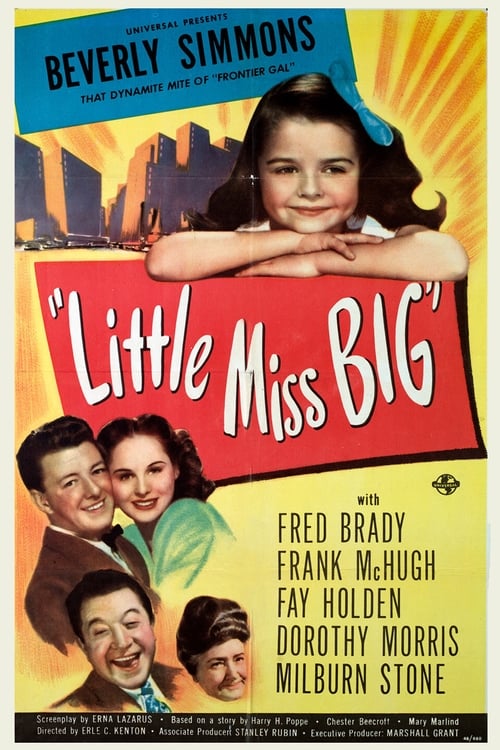
Little Miss Big
1946
No user ratings available yet
Diversity score: 2.6 out of 10
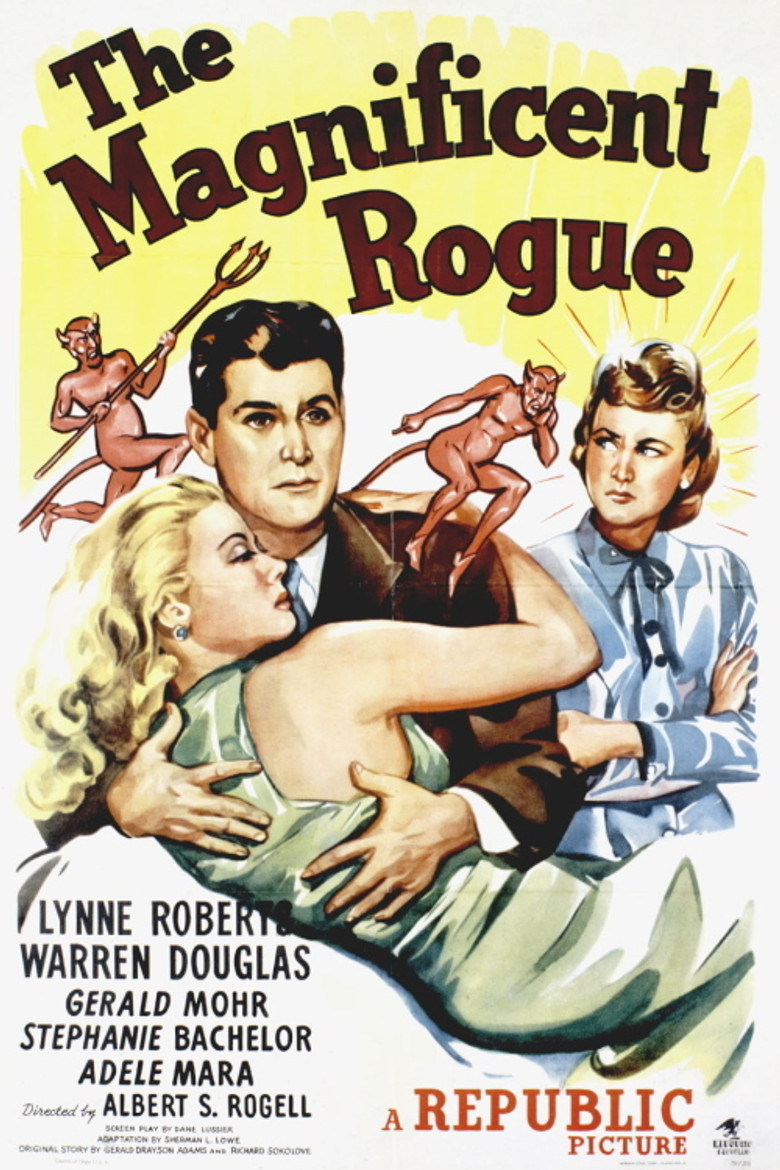
1946
ApprovedDirector
Albert S. Rogell
Runtime
74 minutes
Average Rating
No ratings yetSynopsis
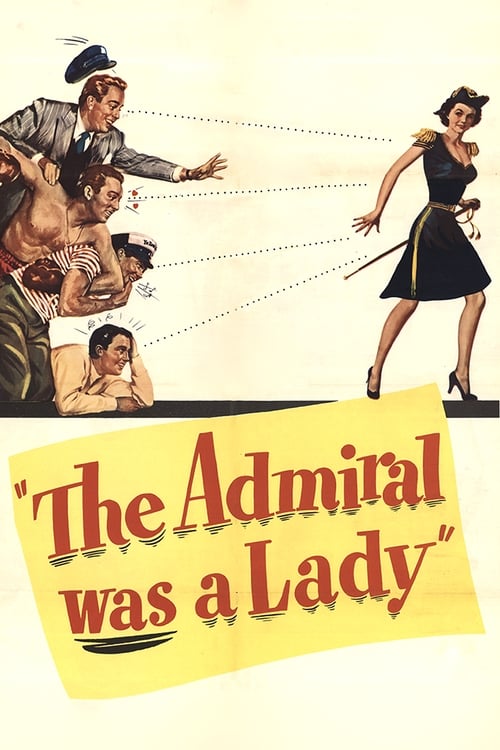
A serviceman returns home at the end of WWII to discover his wife has become the head of her own very successful advertising agency. Comedy.
Overall Score
Limited
Category Breakdown
LGBTQ+ Representation
The film lacks any evidence of non-cisnormative identities or same-sex intimacy. It follows a traditional heteronormative framework typical of 1946 studio productions.
Gender Representation
A wife running a successful advertising agency provides a moderate disruption of domestic archetypes. This suggests female agency, though it remains unclear if this power shift is permanent.
Racial & Ethnic Diversity
The narrative likely reflects the era's standard demographic norms. There is no indication of diverse ethnic representation or intentional race-bent casting.
Religious & Cultural Diversity
Themes center on patriotism and marital stability. The advertising agency setting aligns with established commercial institutions rather than critiquing mid-century social structures.
Disability Representation
No characters with visible or invisible disabilities are mentioned. The film avoids disability as a central theme or narrative element.
Strengths
Areas for Improvement
AI Analysis
The film functions as a conventional mid-century comedy that utilizes the 'independent woman' trope to drive its plot. While the female lead's professional success offers a slight elevation in gender representation, the film's architecture remains rooted in traditional social frameworks. Most categories reflect the standard demographic and cultural norms of the 1940s. The narrative focuses on post-war stability, reinforcing established social hierarchies rather than subverting them. Ultimately, the work serves as a period piece that highlights wartime shifts in gender roles without fundamentally challenging the era's broader cultural or racial status quo.
1946
1943
1953
1959

1952
1971

1951
1945
1964

1947
1950
1939
No reviews yet. Be the first to share your thoughts on this movie!
Use the rating form above to leave a star rating and optional review.