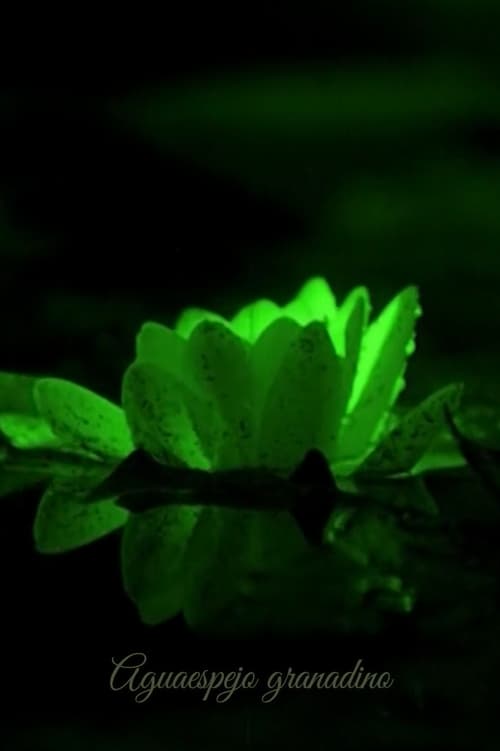
Water-Mirror of Granada
1955
No user ratings available yet
Diversity score: 5.7 out of 10

1995
Director
José Val del Omar
Runtime
23 minutes
Average Rating
No ratings yetSynopsis
This film was reconstructed and completed in 1995 by Javier Codesal for the Filmoteca de Andalucia, from the montage and the sound that Val del Omar had outlined before his death, after having returned to a project abandoned twenty years before with the incorporation of significant additions (above all in the soundtrack). Val del Omar's notes show that, as he typically did, he had other alternative titles in mind, such as "Acariño de la Terra Meiga" (Caress of the Magic Land), "Acariño a nosa terra" (Caress of Our Land), or "Barro de ánimas" (Clay of Souls), and that in the final phase of the unfinished project he wanted to add a second sound channel – following the diaphonic principle, and using electro-acoustic techniques – consisting of ambient material that he intended to record at the first screenings of the film in the very places and to the very people that were its origin: its "clay".
Overall Score
Fair
Category Breakdown
LGBTQ+ Representation
The documentary lacks explicit evidence regarding the depiction of LGBTQ+ identities. The focus remains on regional ethnographic and sensory documentation.
Gender Representation
There is insufficient detail regarding character dynamics or gendered agency. The film's context does not provide a basis for analyzing gender hierarchies.
Racial & Ethnic Diversity
The film explores Galician identity, moving away from standardized national narratives. It centers on a localized, ethnic-specific perspective of a minority region.
Religious & Cultural Diversity
The work prioritizes local folklore and spiritual textures through themes of souls and magic lands. It emphasizes subjective, sensory experience over objective reporting.
Disability Representation
The available synopsis contains no documented evidence regarding the portrayal of neurodivergence or physical disabilities.
Strengths
Areas for Improvement
AI Analysis
Galician Caress (of Clay) is a profound exercise in regional preservation that prioritizes atmosphere over linear storytelling. By centering the unique cultural landscape of Galicia, the film resists monolithic national narratives in favor of a localized, ethnic-specific perspective. The director's intent to use electro-acoustic techniques to capture the ambient sounds of the subjects creates a communal connection. This approach attempts to dismantle the traditional hierarchy between the observer and the observed, treating the people as the very 'clay' of the work. While the film excels in cultural and regional deconstruction, it lacks specific data regarding gender or LGBTQ+ representation. This absence of information limits the scope of its social diversity, even as it succeeds in its ethnographic mission.
1955
1961

1957
1965
1965
2007
1963

1972

1959
1959
2011
1932
No reviews yet. Be the first to share your thoughts on this movie!
Use the rating form above to leave a star rating and optional review.