Water-Mirror of Granada
1955
No user ratings available yet
Diversity score: 5.7 out of 10
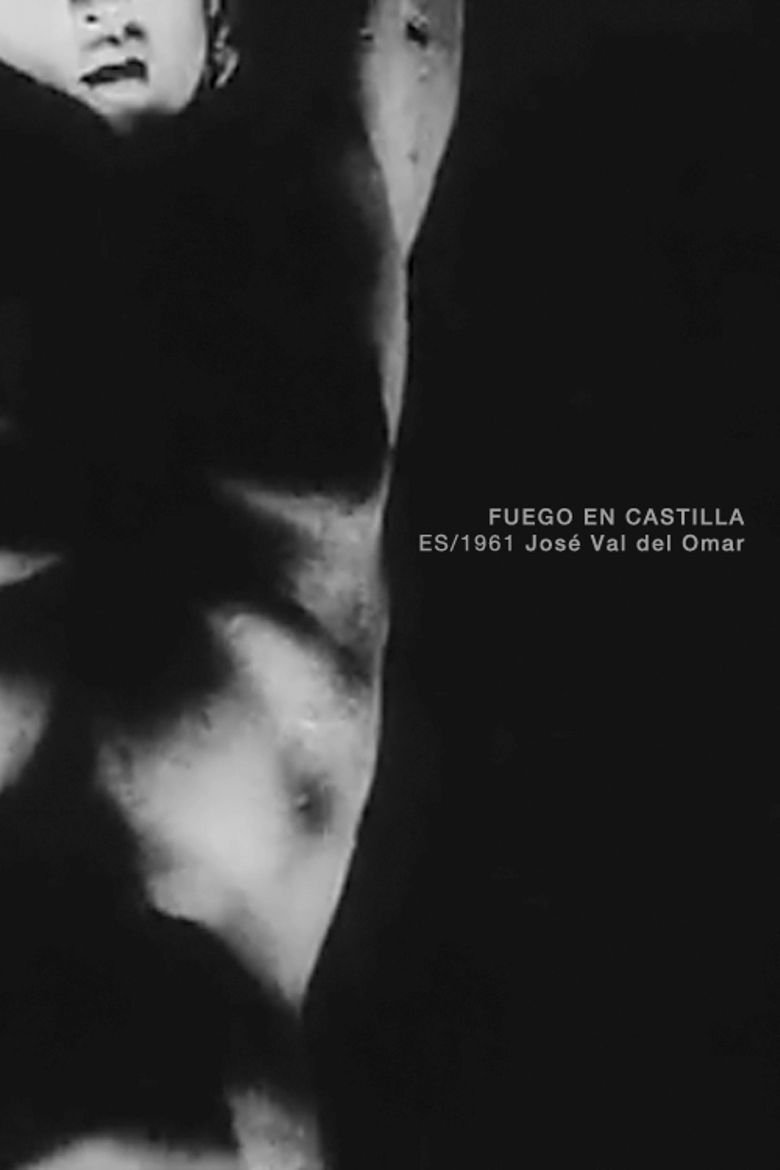
1961
Director
José Val del Omar
Runtime
18 minutes
Average Rating
No ratings yetSynopsis
A short, experimental documentary featuring sculptures by Alonso de Berruguete and Juan de Juni. Shot within the Valladolid National Museum, the film is an excercise in what Val de Omar called "Tactile vision".
Overall Score
Limited
Category Breakdown
LGBTQ+ Representation
The film functions as an experimental study of historical sculptures. There is no evidence of LGBTQ+ characters or narratives addressing non-cisnormative identities.
Gender Representation
The subject matter centers on traditional religious iconography. While the tactile vision technique may disrupt traditional gazes, there is no evidence of gender subversion or non-traditional hierarchies.
Racial & Ethnic Diversity
The film focuses on European masters within a Spanish national museum. The visual palette is tied to Western European art history without demonstrating active racial diversity.
Religious & Cultural Diversity
The film engages with Christian iconography and traditional Western institutions. However, the avant-garde presentation moves away from purely didactic religious instruction through sensory deconstruction.
Disability Representation
There is no evidence of characters or depictions of disability within this experimental documentary format.
Strengths
Areas for Improvement
AI Analysis
José Val del Omar’s work is a formalist exercise in perception rather than a vehicle for social representation. It prioritizes sensory deconstruction and 'tactile vision' over traditional, linear storytelling or identity-driven narratives. The film's reliance on established Western European art history and Renaissance sculptures limits its intersectional breadth. It operates primarily as a study of texture and form, focusing on historical artifacts rather than contemporary social dynamics. Ultimately, the work exists outside the parameters of modern diversity-focused cinema, functioning instead as an impressionistic interpretation of religious and historical objects.
1955
1995

1958
2016
1962
2019
2015
2016

2004
1896
1967

1949
No reviews yet. Be the first to share your thoughts on this movie!
Use the rating form above to leave a star rating and optional review.