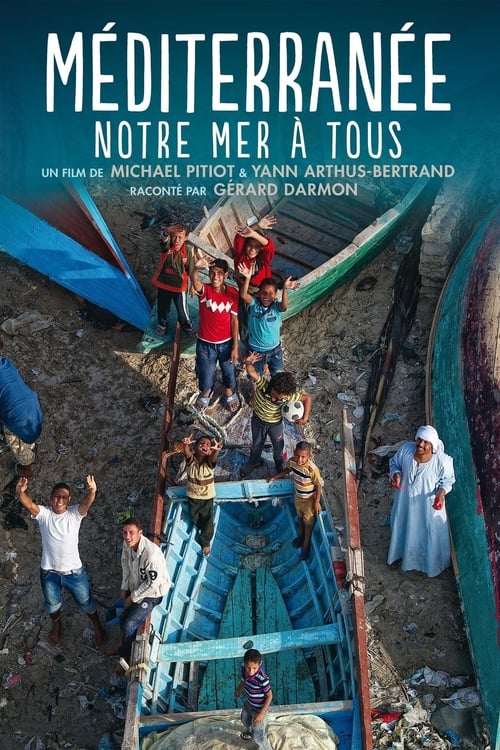
Méditerranée, notre mer à tous
2014
No user ratings available yet
Representation score: 8.5 out of 10
Representation Score
Limited
1963
Director
Jean-Daniel Pollet
Runtime
44 minutes
Average Rating
No ratings yetNew Showbiz Analysis
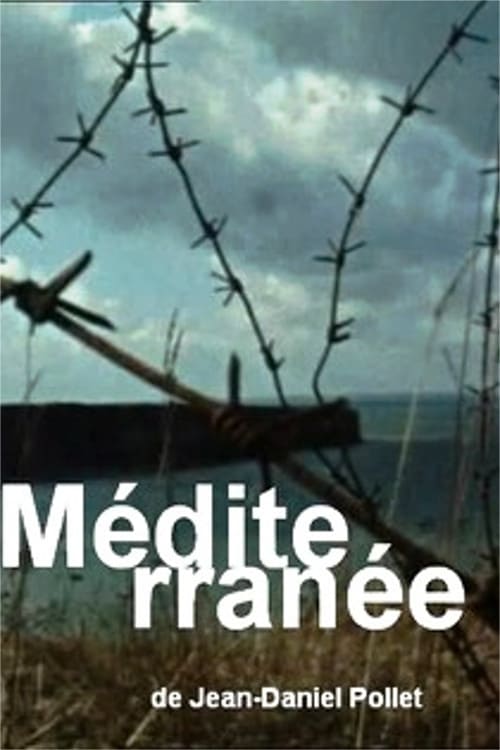
Méditerranée is a poetic, non-narrative essay film that prioritizes rhythmic montage over traditional storytelling. By avoiding a centralized protagonist, it steers clear of common clichés related to character-driven identity politics or gender hierarchies. The film's strength lies in its geographical breadth, presenting a diverse cultural tapestry through the Mediterranean landscape. However, this representation is observational rather than driven by character's ability to drive the story, limiting its impact on specific identity categories. Ultimately, the work's progressive nature is structural. By rejecting conventional Western narrative hierarchies and moral lessons, it offers a sensory, ritualistic experience that transcends standard socio-political frameworks.
Category Breakdown
The film focuses on landscapes and lacks any LGBTQ+ characters, same-sex relationships, or stories about non-cisgender identities.
Characters are part of a rhythmic collage rather than agents in a power struggle. The film avoids reinforcing patriarchal leadership by removing traditional narrative structures.
The film captures diverse identities through its Mediterranean setting. Scenes of North African coastal life provide a tapestry of identities beyond a purely Western perspective.
The essay film structure promotes intellectual relativism through fragmented imagery. It avoids traditional Western institutional values by focusing on the mythic, cyclical nature of the sea.
A brief image of a girl on a gurney appears as a symbolic element of the montage. There is no evidence of disability being addressed with character's ability to drive the story.
Present on Screen
Limited or Absent
Official Synopsis
[Here] Pollet made a work that is the very definition of what French critics like to call an ovni or ufo (as in ‘unidentified filmic object’). [It] has been described as being ‘like a comet in the sky of French cinema,’ an ‘unknown masterpiece,’ and an ‘unprecedented’ work that refuses interpretation even as it has provoked reams of critical writing. Its rhythmic collage of images – a girl on a gurney, a fisherman, Greek ruins, a Sicilian garden, a Spanish corrida – is accompanied by an abstract commentary written by Sollers, and only the somber lyricism of Antoine Duhamel’s score holds the film’s elements together. At first viewing, you fear that [it] might fly apart into incoherent fragments. Instead, over the course of its 45 minutes it invents its own rules, and you realize you’re watching something like the filmic channeling of an ancient ritual.
2014

2014
1976

1937
1968
1965
1971
2015
No reviews yet. Be the first to share your thoughts on this movie!
Use the rating form above to leave a star rating and optional review.