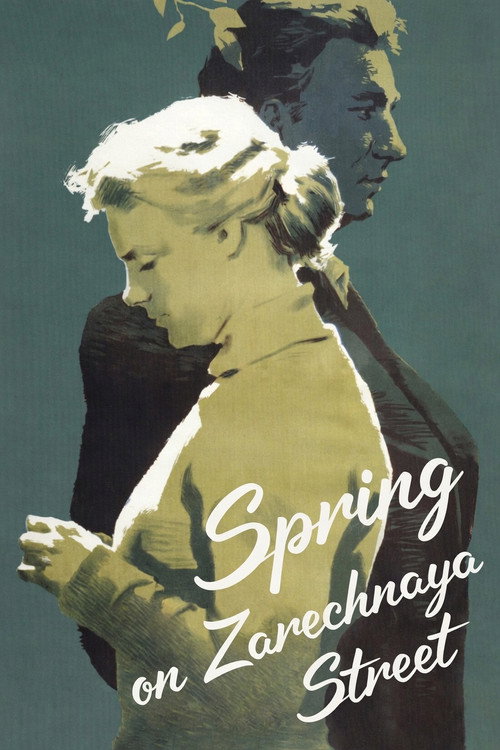
Spring on Zarechnaya Street
1956
No user ratings available yet
Representation score: 3.2 out of 10
Representation Score
Limited
1956
Director
Leonid Lukov
Runtime
101 minutes
Average Rating
No ratings yetNew Showbiz Analysis
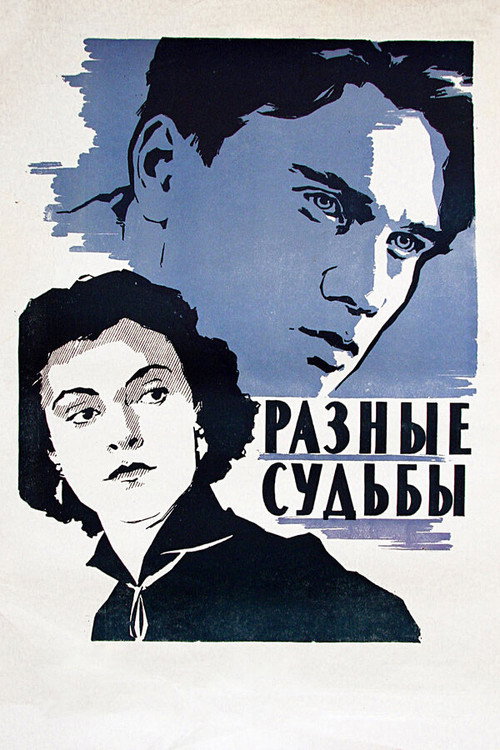
Different Fortunes is a mid-century Soviet drama that prioritizes class-based storytelling over modern multi-layered identities. It presents a narrative where personal identity is tied to labor and collective advancement rather than individualism. While the film lacks representation for LGBTQ+ identities and ethnic diversity, it offers a strong critique of capitalist hierarchies. Characters' lives are defined by their transition into the socialist workforce, providing a unique cultural perspective. Ultimately, the film's diversity lies in its ideological framework, which prioritizes productivity and state-aligned progress, though it remains limited by the social norms of 1956.
Category Breakdown
The film follows the social norms of its time and does not include any non-traditional gender identities or same-sex relationships.
Women are shown as active participants in the industrial workforce, rather than being confined to domestic roles. However, the film still explores traditional conflicts around marriage and career ambitions.
The cast is mainly Slavic, reflecting the film's historical and geographic setting. The story focuses on class dynamics within this community.
The narrative emphasizes secularism and collective progress over religious traditions or Western family structures. Personal happiness is framed through contributions to the working class.
There are no prominent depictions of physical or neurodivergent disabilities that play a central role in the story or drive the narrative.
Present on Screen
Limited or Absent
Official Synopsis
Young Leningraders, yesterday’s schoolchildren, are entering adulthood. Sonya is in love with Styopa, but he loves Tanya, and Tanya prefers Fedya. Rejected, Styopa leaves for a distant Siberian city and starts working at the factory, studying at the evening institute. Sonya leaves after him and gets a job at the same factory. Tanya and Fedya, having married, go to college, and the young husband has to earn some money as a driver to support his family. The selfish nature of Tanya refuses to put up with the modest position in which the newlyweds are forced to be, and she starts an affair with an elderly composer...
1956

1953
1956
1986
1959
1956
1960

1958
No reviews yet. Be the first to share your thoughts on this movie!
Use the rating form above to leave a star rating and optional review.