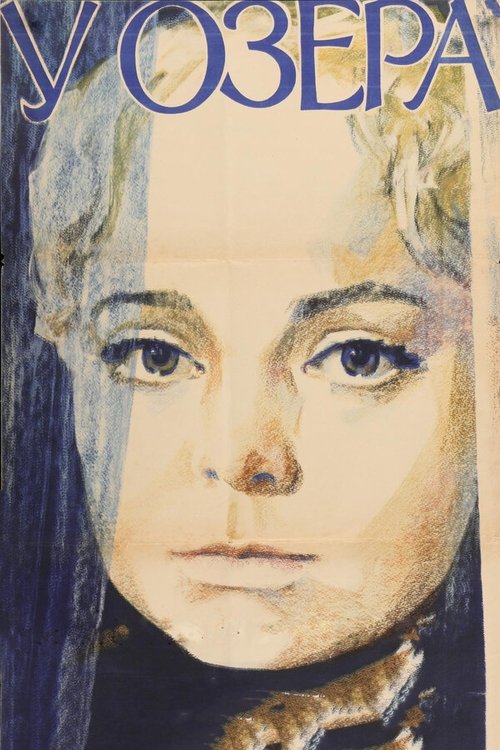
By the Lake
1970
No user ratings available yet
Representation score: 3.3 out of 10

Representation Score
Limited
1967
Director
Sergei Gerasimov
Runtime
226 minutes
Average Rating
No ratings yetNew Showbiz Analysis
The Journalist is a period-specific drama that prioritizes ideological coherence over modern diversity. It functions as a study of professional ethics within a specific Soviet Socialist Realist framework. While the film lacks diversity in identity politics—specifically regarding LGBTQ+, race, and disability—it has a strong, intentional cultural identity. The narrative architecture is deeply rooted in collectivist values and anti-capitalist sentiment. Ultimately, the film adheres to the traditional demographic and social hierarchies of its era, focusing on the moral weight of social responsibility rather than diverse identity exploration.
Category Breakdown
The film does not include any characters or stories related to LGBTQ+ individuals. It focuses on personal relationships and professional duties within a traditional mid-century Soviet setting.
Women play key roles in the story, especially the girl whose letters drive the investigation. However, their roles are defined by their relationships to the male protagonist and social conflicts.
The cast is mostly uniform, reflecting the setting of a Soviet industrial city. The film does not show a multi-ethnic landscape or use diverse ethnic casting.
The narrative critiques capitalist structures and emphasizes collective action over individualism. It prioritizes secular, state-aligned morality and social responsibility.
There are no characters with visible or invisible disabilities in the film. It focuses on psychological and ethical complexities rather than physical or neurodivergent representation.
Present on Screen
Limited or Absent
Official Synopsis
A successful young journalist goes to a small industrial city in order to understand the written complaints of a certain girl. When he met the author of the letters and the girl whom she had slandered, he didn't immediately understand the complexity of the situation and the measure of responsibility to those whom he was obliged to protect...
1970

1961
1989
1986
1976
1981
1984

1978
No reviews yet. Be the first to share your thoughts on this movie!
Use the rating form above to leave a star rating and optional review.