
It Happened in Penkovo
1958
No user ratings available yet
Representation score: 2.1 out of 10

Representation Score
Limited
1956
K-12Director
Leonid Gaidai, Valentin Nevzorov
Runtime
76 minutes
Average Rating
No ratings yetNew Showbiz Analysis
A Weary Road explores the tension between personal freedom and state authority. The film uses the cliché of political exile to highlight how systemic forces disrupt individual lives and relationships. While the movie effectively critiques rigid power structures, it remains confined to the social archetypes of its time. The focus on a male protagonist's resistance leaves female characters in more passive, reactive roles. The film's strength lies in its thematic subversion of command structures, despite adhering to traditional romantic and gendered frameworks.
Category Breakdown
The film does not include any LGBTQ+ identities. The main romantic storyline follows traditional heterosexual relationships.
Raya plays a key role in driving emotions, but she remains a passive figure influenced by external forces. Female characters mostly serve as emotional catalysts without taking active roles.
The story is set in Siberia, suggesting a specific cultural context. However, the narrative focuses on homogeneous social structures typical of mid-century Soviet dramas.
The story strongly criticizes institutional rigidity. It centers on an individual's struggle against state-imposed authority and social hierarchies.
There is no information regarding the portrayal of physical or neurodivergent disabilities in this work.
Present on Screen
Limited or Absent
Official Synopsis
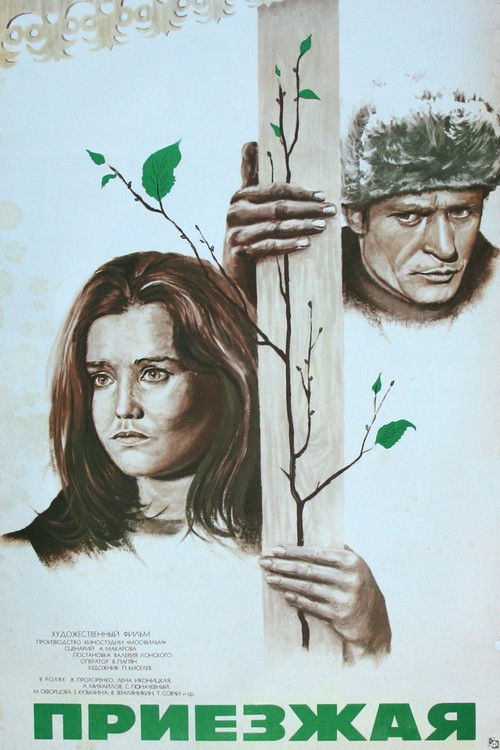
The station keeper Kruglikov was exiled to a remote Siberian village many years ago for shooting his superior, a general, who demanded that he go with him as a matchmaker to Kruglikov's favorite girl, Raya. A political exile is brought to the station. She turns out to be Raya. For a few minutes the former bride and groom were together, and then she was taken away again.
1958
1965
1956

1959
1974
1956
1977

1964
No reviews yet. Be the first to share your thoughts on this movie!
Use the rating form above to leave a star rating and optional review.