
A Weary Road
1956
No user ratings available yet
Representation score: 2.6 out of 10

Representation Score
Limited
1958
Director
Stanislav Rostotsky
Runtime
100 minutes
Average Rating
No ratings yetNew Showbiz Analysis
It Happened in Penkovo is a lyrical coming-of-age drama that prioritizes emotional depth over social upheaval. The film reinforces traditional romantic and social structures of its time. Set in a narrow, localized environment, the narrative explores personal passion and moral subjectivity within a limited demographic and cultural context. While it highlights the emotional interiority of the working class, its focus on a stable, collective social order limits its diversity, reflecting established communal values without challenging them.
Category Breakdown
The film follows traditional romantic structures typical of 1950s Soviet cinema, with no depiction of non-traditional gender identities or same-sex relationships.
Women play central roles in the emotional storyline, allowing for nuanced character development. However, they are confined to traditional domestic and romantic roles.
The casting reflects a homogeneous demographic focused on rural village life, presenting a localized, ethnically singular view of the Soviet peasantry.
The narrative emphasizes socialist-realist values, focusing on communal morality and social cohesion within a collective framework.
There are no prominent depictions of visible or invisible disabilities that serve as central narrative drivers in this story.
Present on Screen
Limited or Absent
Official Synopsis
Tractor driver Matvey Morozov returns to his native village from the prison. And he recalls the story of his marriage, his fatal love, failed betrayal and committed reckless “crime”, in which he doesn't repent at all.
1956
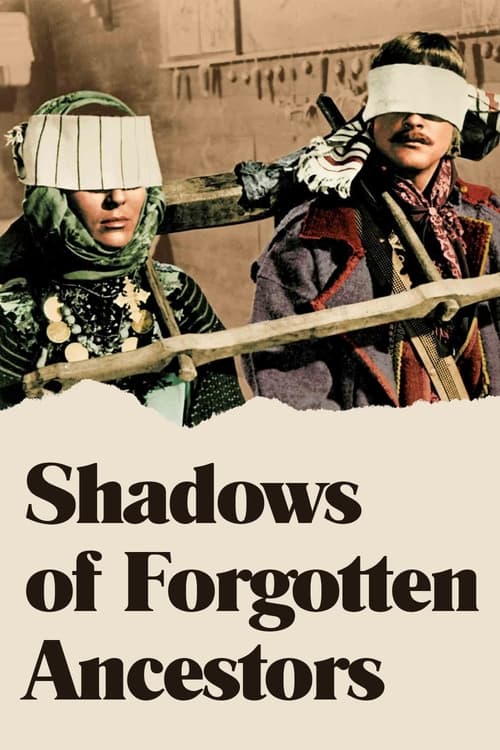
1965
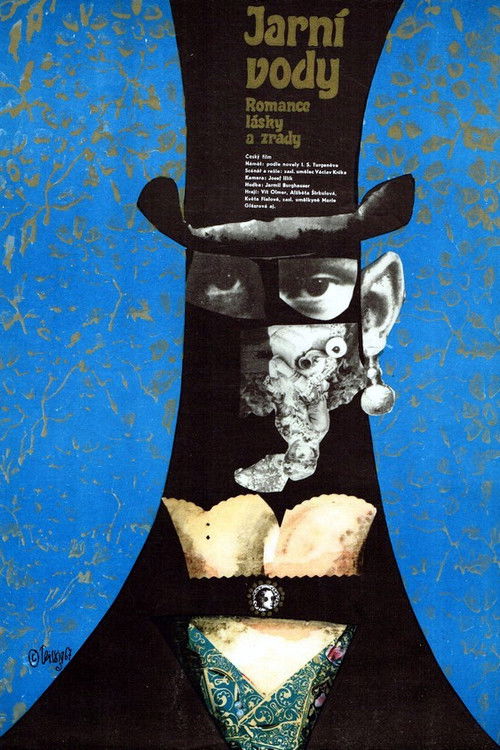
1968
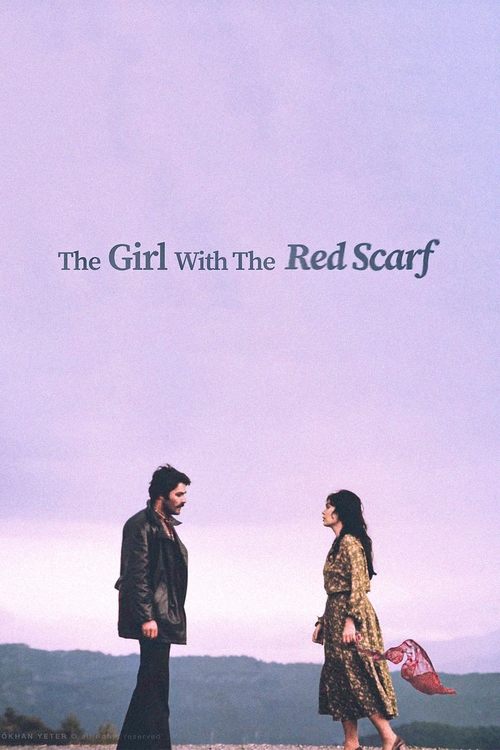
1977
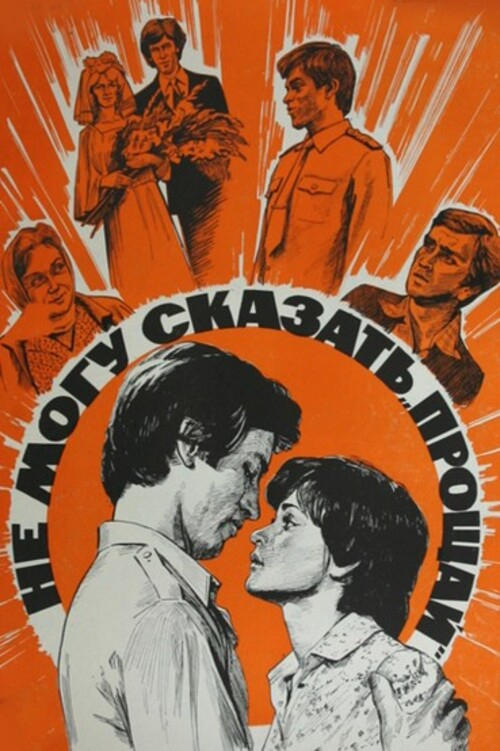
1982
1977
1960

1974
No reviews yet. Be the first to share your thoughts on this movie!
Use the rating form above to leave a star rating and optional review.