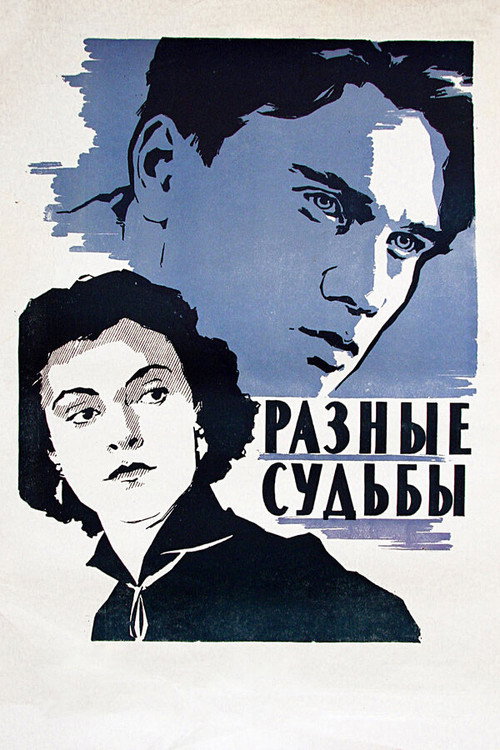
Different Fortunes
1956
No user ratings available yet
Representation score: 3.4 out of 10
Representation Score
Limited
1956
Director
Marlen Khutsiyev, Feliks Mironer
Runtime
96 minutes
Average Rating
No ratings yetNew Showbiz Analysis
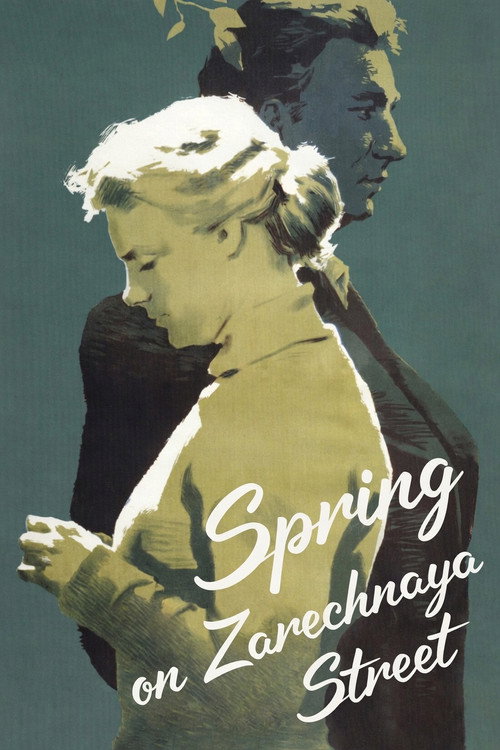
Spring on Zarechnaya Street is a product of the Khrushchev Thaw, marking a transition from rigid Stalinist realism to a more humanistic, poetic style. It succeeds by centering individual emotional landscapes and personal ability to act over state-driven archetypes. However, the film is limited by the era's demographic homogeneity. It lacks modern markers of diversity, specifically regarding LGBTQ+ identities and racial diversity, functioning within a relatively uniform cultural framework. Ultimately, the film's strength lies in its sophisticated treatment of gender roles and its promotion of humanism over collective state dogma.
Category Breakdown
The film follows a traditional romantic arc between a male laborer and a female educator, adhering to the heterosexual social structures of the 1950s Soviet Union.
The female protagonist is portrayed as an intellectual authority figure, disrupting common gender clichés by presenting her as an educator rather than a domestic character.
The cast reflects the demographic homogeneity of the 1950s Soviet industrial setting. While it avoids harmful stereotypes, the film lacks intentional markers of racial or ethnic diversity.
The narrative prioritizes individual emotional experience over state-mandated heroism. This shift toward humanism and personal truth reflects the progressive values of the Khrushchev Thaw.
There is no discernible evidence regarding the portrayal of physical or neurodivergent disabilities in this work.
Present on Screen
Limited or Absent
Official Synopsis
The story unfolds in an industrial town where a young and charming literature teacher arrives, assigned to teach at an evening school. One of the boys from the metallurgical plant falls in love with the educated girl, but communication between the two young people turns out to be quite challenging.
1956

1966

1968

1961
1965

1971

1966
1974
No reviews yet. Be the first to share your thoughts on this movie!
Use the rating form above to leave a star rating and optional review.