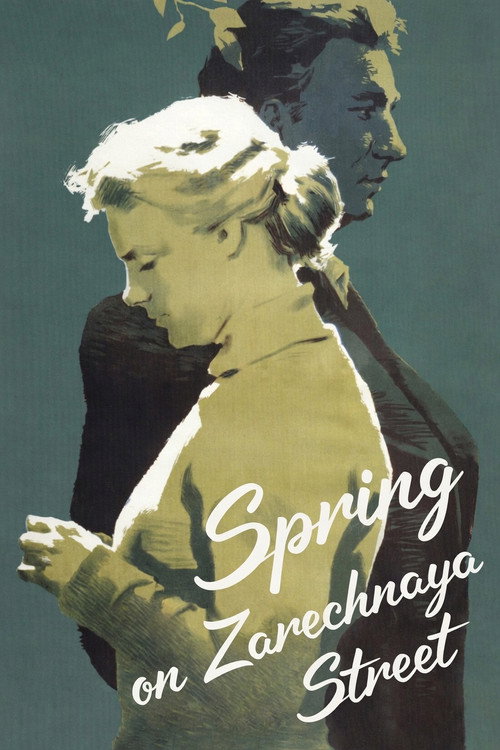
Spring on Zarechnaya Street
1956
No user ratings available yet
Representation score: 3.2 out of 10
Representation Score
Fair
1976
Director
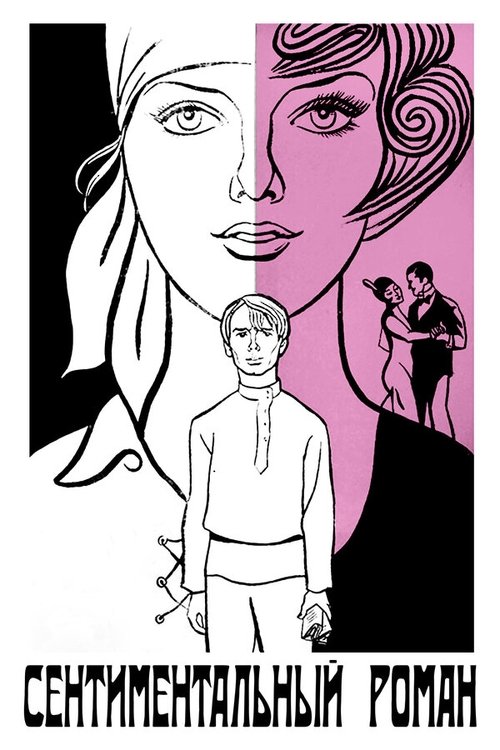
Igor Maslennikov
Runtime
93 minutes
Average Rating
No ratings yetNew Showbiz Analysis
A Sentimental Romance serves as a historical artifact of ideological deconstruction. It prioritizes a materialist worldview over individual emotional experiences, aiming to replace traditional romanticism with collective utility. While the film lacks modern multi-layered visibility, it is highly subversive in its rejection of Western social institutions. It actively dismantles the sanctity of the nuclear family and romantic partnership. Ultimately, the work functions as a study of systemic social restructuring. It trades personal sentiment for state-aligned social utility, making it a unique, if ideologically rigid, character study.
Category Breakdown
The film does not explicitly include LGBTQ+ identities. However, the protagonist's rejection of romantic love in favor of functional connections challenges traditional heterosexual norms.
The narrative challenges traditional gender roles by emphasizing functional comrade roles over romantic ones. It prioritizes ideological utility over domesticity.
The setting and cast appear to be localized to the Soviet era. There is no indication of significant racial blending or non-Slavic majority representation.
The film promotes anti-traditionalist values by prioritizing a secular, communist framework that views bourgeois sentimentality as an obstacle to progress.
There is no evidence regarding the portrayal of physical or neurodivergent characters within the provided narrative context.
Present on Screen
Limited or Absent
Official Synopsis
The film is set in the 1920s. Shura Sevastyanov is an aspiring journalist in a small newspaper, with two-classes of a parochial school behind him. In the spirit of building communism, he is an ardent fighter against philistinism in all its forms. He denies the phenomenon of love, believing that it does not exist and that there is only friendship and sexual desire of man to woman.
1956
2008
1977
1986
1967

2021
1965

1968
No reviews yet. Be the first to share your thoughts on this movie!
Use the rating form above to leave a star rating and optional review.