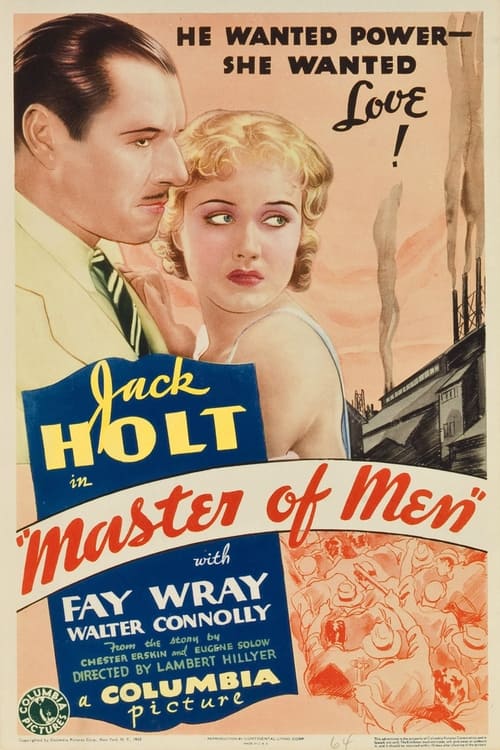
Master of Men
1933
No user ratings available yet
Diversity score: 2.5 out of 10
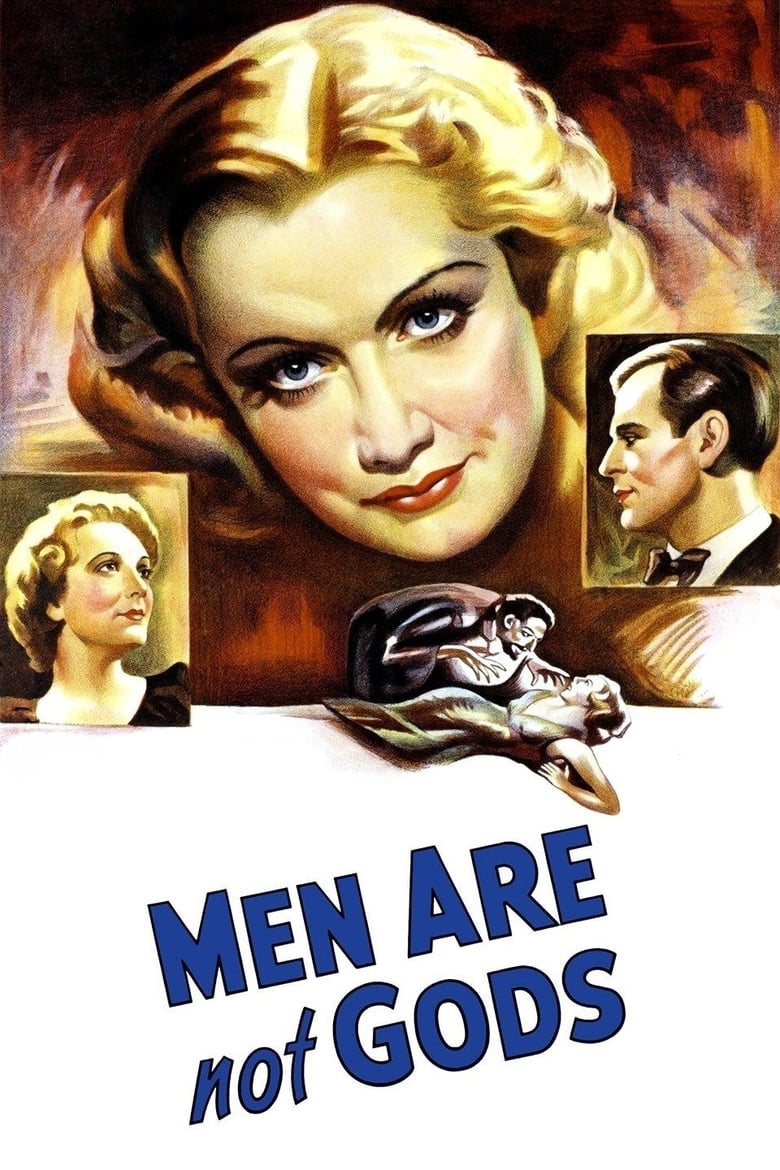
1936
NRDirector
Walter Reisch
Runtime
83 minutes
Average Rating
No ratings yetSynopsis
Actor Edmund Davey becomes a star overnight when his wife and co-star teams up with the secretary of a noted stage critic to produce a glowing review of his 'Othello'.
Overall Score
Limited
Category Breakdown
LGBTQ+ Representation
The film lacks any evidence of non-heteronormative identities. The central plot revolves around a traditional marriage between the protagonist and his co-star.
Gender Representation
The story subverts typical male-centric tropes by centering female agency. While the man achieves stardom, his wife acts as the strategic architect behind his professional success.
Racial & Ethnic Diversity
The narrative reflects the demographic norms of 1936. There is no indication of diverse racial or ethnic representation within the provided context.
Religious & Cultural Diversity
The film explores the moral complexity of manufactured truth and reputation. It focuses on the internal ethics of the theatrical industry rather than broader institutional critiques.
Disability Representation
There is no mention of characters with visible or invisible disabilities. The narrative focuses entirely on professional ambition and social maneuvering.
Strengths
Areas for Improvement
AI Analysis
Men Are Not Gods is a period drama that examines the artifice of fame through the lens of the theatrical industry. It functions primarily as a character study regarding how public perception is manipulated for professional gain. While the film lacks modern intersectional complexity, it offers a subtle subversion of gender roles. By positioning the wife as the primary driver of the protagonist's career, the film moves away from a standard hero narrative toward a study of female strategic agency. Ultimately, the work is a product of its era, characterized by traditional demographic compositions and a focus on individual social dynamics rather than systemic or diverse representation.
1933
1939
1934

1936
1928
1933

1937
1932
1926
1928
1936

1935
No reviews yet. Be the first to share your thoughts on this movie!
Use the rating form above to leave a star rating and optional review.