
The False Madonna
1931
No user ratings available yet
Representation score: 1.9 out of 10
Representation Score
Minimal
1937
Director
Henri Decoin
Runtime
95 minutes
Average Rating
No ratings yetNew Showbiz Analysis
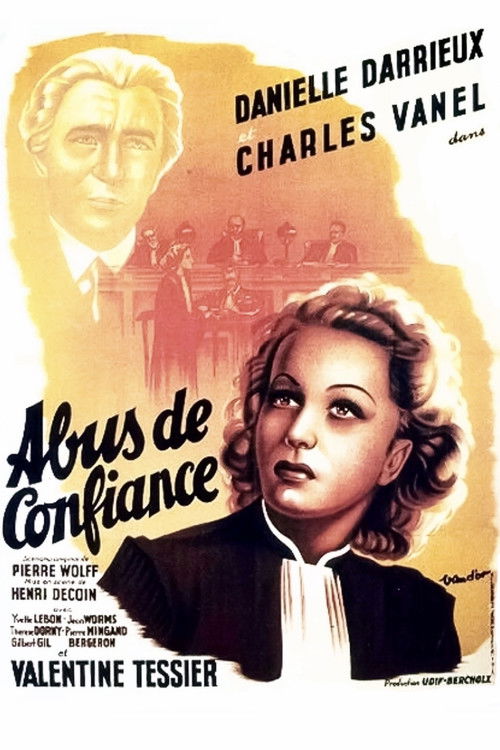
Abused Confidence centers on Lydia, an orphaned student who uses deception to cope with socioeconomic instability. While the film features a strong female lead, it adheres to the demographic norms of 1930s European cinema. The story looks at the tension between class identity and perceived status through the cliché of the impostor. However, this exploration is confined to individual survival rather than a broader critique of societal structures. Overall, the film lacks diversity in terms of race, culture, and LGBTQ+ representation, focusing instead on a uniform social setting.
Category Breakdown
The film doesn't show any LGBTQ+ identities or same-sex relationships. The main focus is on the protagonist's personal journey for stability.
Lydia is a key female character who influences the plot through her decisions. However, her role depends on societal norms rather than challenging gender roles directly.
The story takes place in a homogeneous society typical of 1930s French cinema. There is no indication of diverse racial backgrounds or non-white actors.
The film examines class struggles and moral ambiguity in poverty. It doesn't offer a critique of Western institutions or promote secular views.
The film does not depict any physical or neurological disabilities.
Present on Screen
Limited or Absent
Official Synopsis
Lydia (Danielle Darrieux) is a student, poor and orphaned, who pretends to be the daughter of a famous writer.
1931
1922

1953

1950
1937

1931

1938

1919
No reviews yet. Be the first to share your thoughts on this movie!
Use the rating form above to leave a star rating and optional review.