
Woman Without a Face
1947
No user ratings available yet
Diversity score: 3.7 out of 10
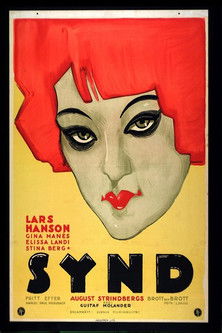
1928
Director
Gustaf Molander
Runtime
89 minutes
Average Rating
No ratings yetSynopsis
A married writer's luck turns when he gets a play produced at Théâtre de Paris. He meets the femme fatale who should play the lead in his play. Passion and conflict occurs.
Overall Score
Limited
Category Breakdown
LGBTQ+ Representation
The film focuses on a traditional romantic conflict between a married man and a female lead. There is no evidence of non-cisnormative identities or narratives that critique heteronormativity.
Gender Representation
The narrative utilizes the femme fatale trope, which grants female characters agency to disrupt men's lives. However, this often characterizes female autonomy as a source of moral danger.
Racial & Ethnic Diversity
The setting and era suggest a predominantly Eurocentric cast. The narrative appears to adhere to the demographic norms of 1920s European cinema without intersectional representation.
Religious & Cultural Diversity
The film explores themes of passion and individual morality within conventional Western storytelling. It does not appear to actively critique Western institutions or social decorum.
Disability Representation
There is no information available to suggest the inclusion of characters with visible or invisible disabilities.
Strengths
Areas for Improvement
AI Analysis
Sin (1928) is a conventional period drama that relies on established silent film archetypes. The narrative engine is driven by the tension between professional achievement and personal morality. The film lacks the structural complexity needed for intersectional representation. It prioritizes classical dramatic tension and historical demographic norms over progressive narrative architecture. While the femme fatale introduces female influence, the work remains rooted in the social hierarchies and storytelling traditions of its era.
1947
1939
1937

1936

1929
1956
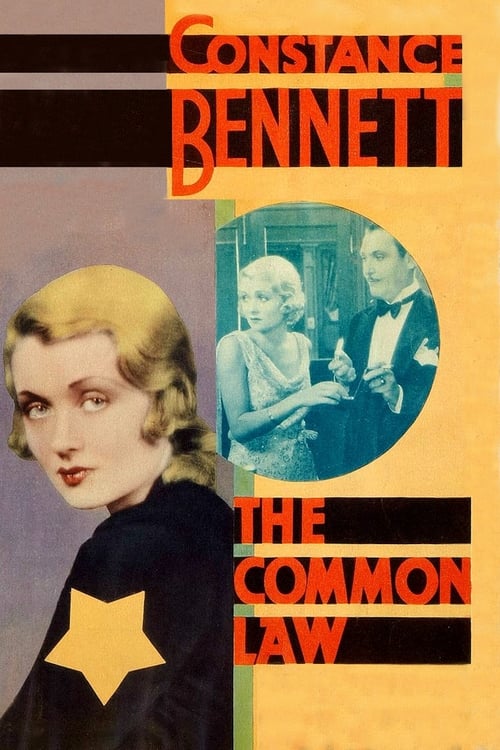
1931

1921
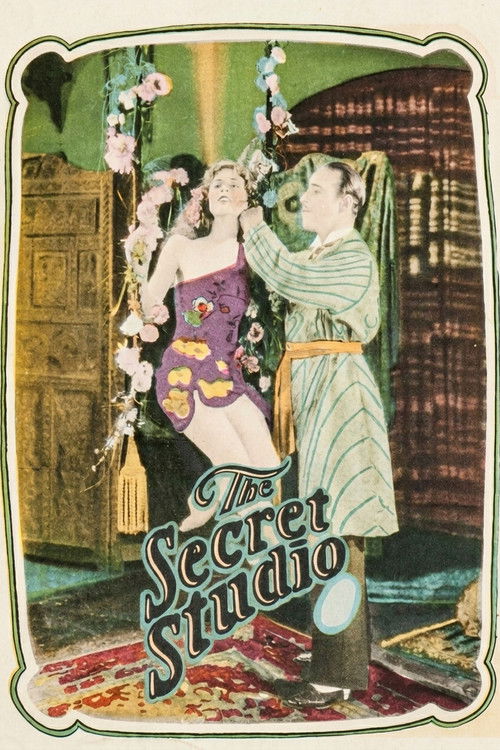
1927
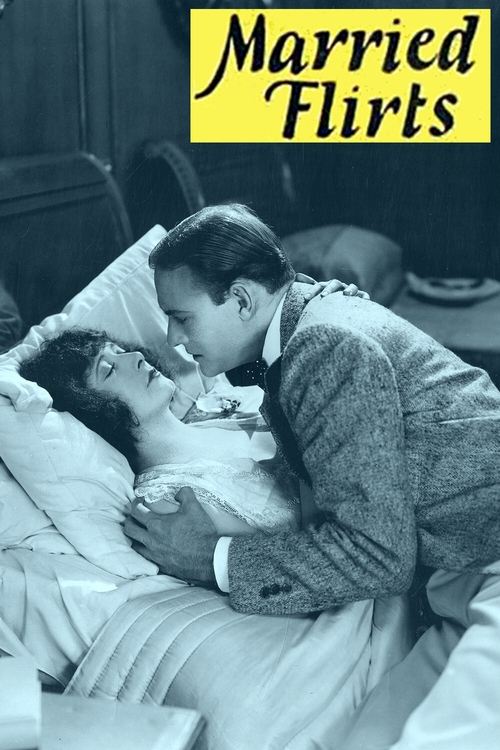
1924
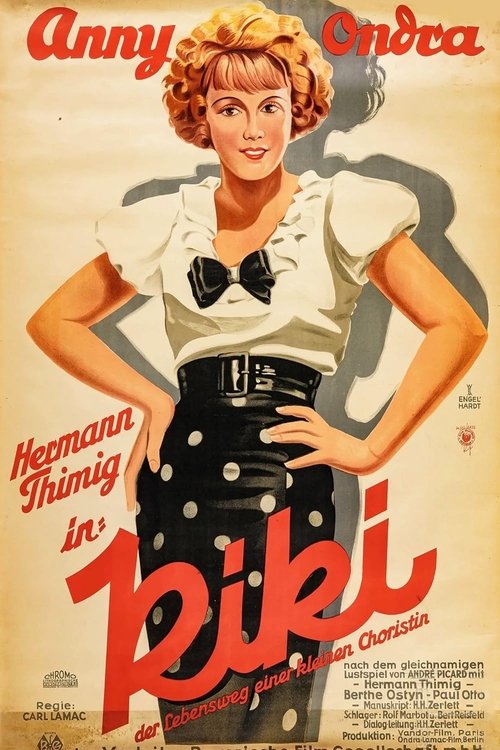
1932
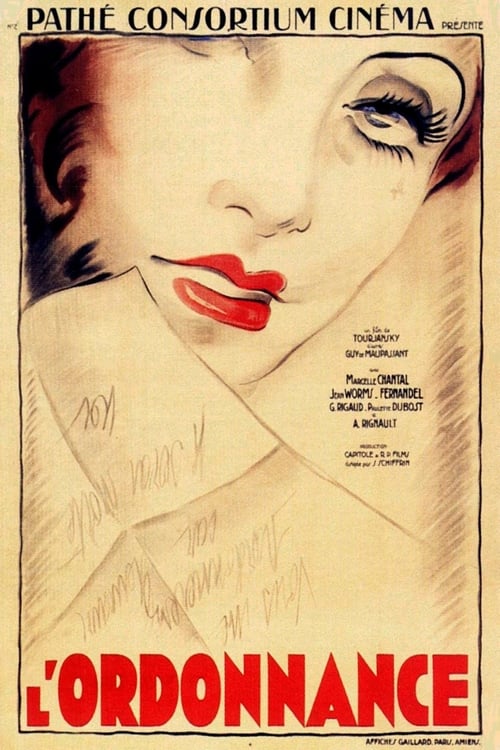
1933
No reviews yet. Be the first to share your thoughts on this movie!
Use the rating form above to leave a star rating and optional review.