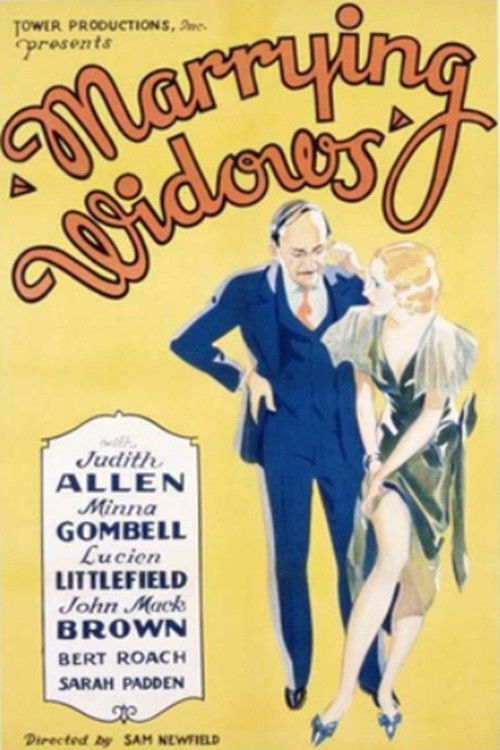
Marrying Widows
1934
No user ratings available yet
Diversity score: 2.6 out of 10
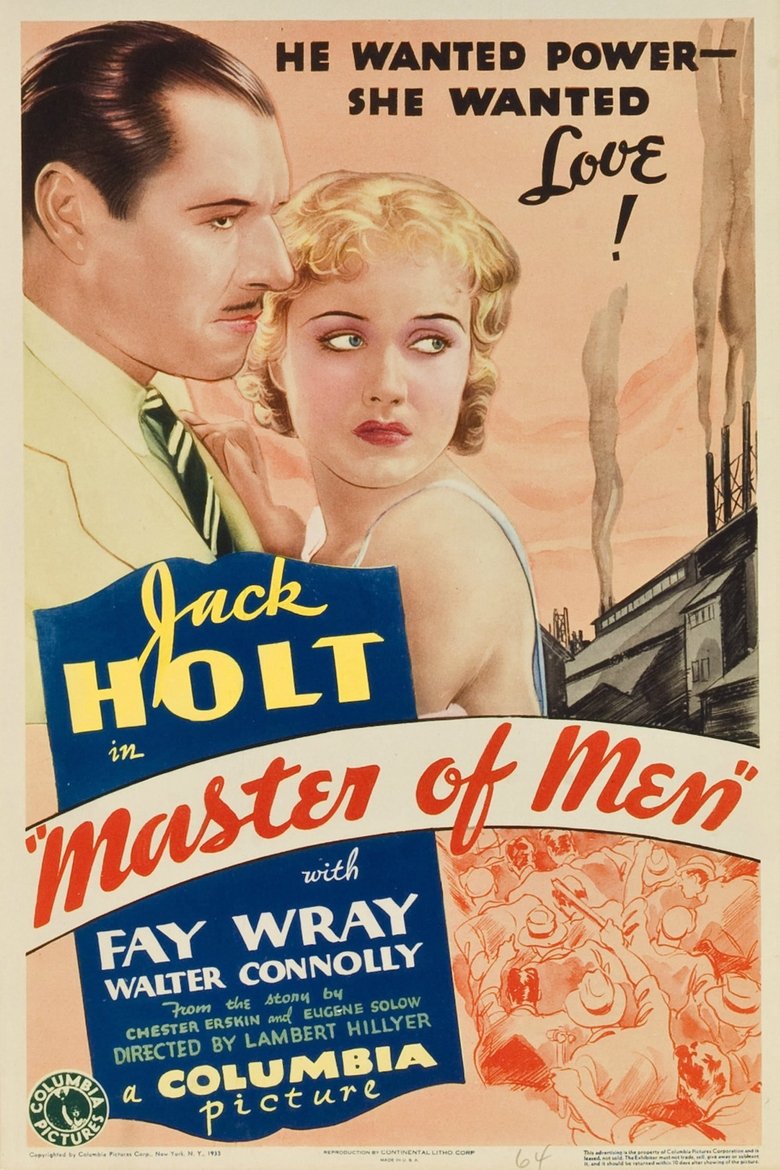
1933
PassedDirector
Lambert Hillyer
Runtime
65 minutes
Average Rating
No ratings yetSynopsis
One of ten films that Fay Wray made in 1993 (including King Kong), Master of Men casts her as Kay Walling, a woman who is being ignored by her husband, Buck (played by Jack Holt). Buck owns a prosperous steel mill and they make a very good living, but he is ambitious and wants more. To this end, he is devoting considerable amounts of time to expanding his finances -- and doing quite well. Not satisfied with his success, he journeys to New York, where his wrangling further increases his bank account. Unfortunately, his stock with his wife is dropping steadily. Jealous and unhappy, she fights back by giving one of Buck's business rivals details about what he is up to.
Overall Score
Limited
Category Breakdown
LGBTQ+ Representation
The film operates within a traditional heteronormative framework. There is no evidence of non-cisnormative identities or narratives that challenge standard gender roles.
Gender Representation
Kay Walling demonstrates agency by disrupting her husband's professional success. However, her motivations stem from domestic dissatisfaction rather than a systemic subversion of gender hierarchies.
Racial & Ethnic Diversity
The story focuses on a homogeneous industrialist class. There is no indication of a diverse cast or the inclusion of non-Anglo-Saxon perspectives.
Religious & Cultural Diversity
The narrative reinforces the importance of the nuclear family and the American Dream. It upholds the sanctity of marriage and social standing.
Disability Representation
No information is available regarding the depiction of physical or neurodivergent identities in this work.
Strengths
Areas for Improvement
AI Analysis
Master of Men is a conventional 1930s domestic drama that prioritizes individual morality and the preservation of social structures. The narrative centers on the friction between industrial ambition and marital stability, focusing on interpersonal conflict rather than systemic critique. The film's representation is limited by its temporal context. It adheres to the standard studio system practices of the era, which favored established social hierarchies and traditional moral frameworks over the exploration of intersectional identities. While the female lead exerts power through corporate espionage, this agency is framed as a reactive mechanism to emotional neglect. This keeps the film rooted in the melodramatic traditions of its time.
1934
1934
1936
1934
1938
1933
1932
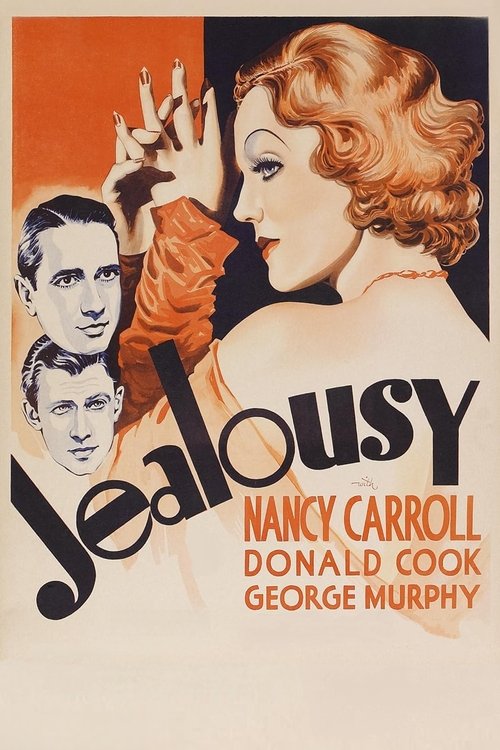
1934
1929

1934
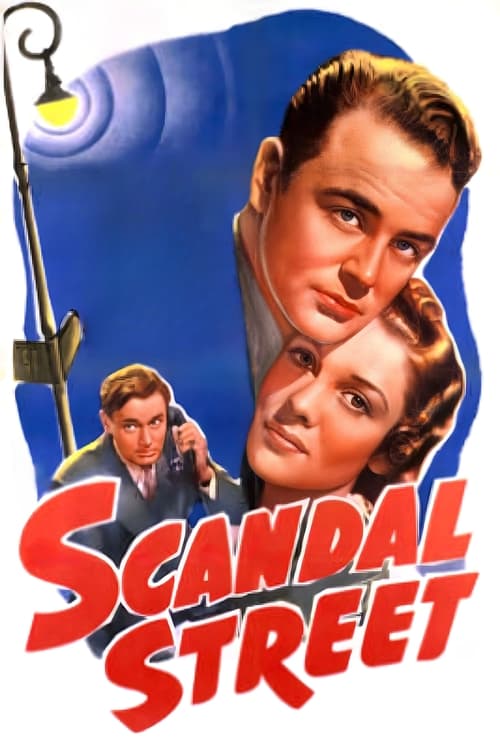
1938
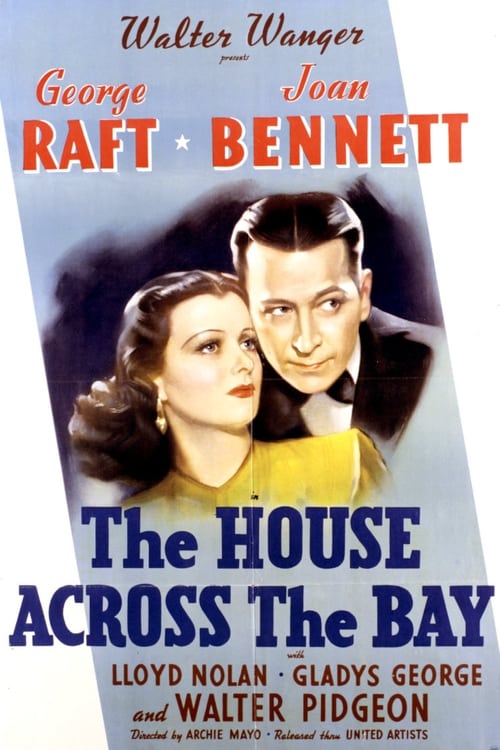
1940
No reviews yet. Be the first to share your thoughts on this movie!
Use the rating form above to leave a star rating and optional review.