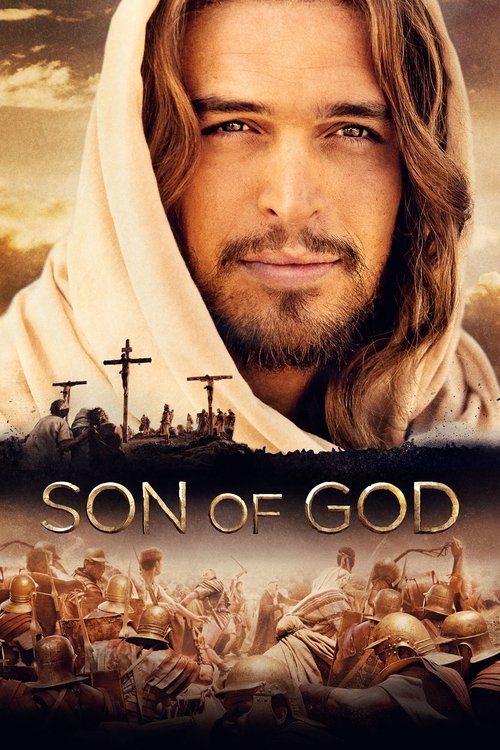
Son of God
2014
No user ratings available yet
Representation score: 2.0 out of 10
Representation Score
Fair
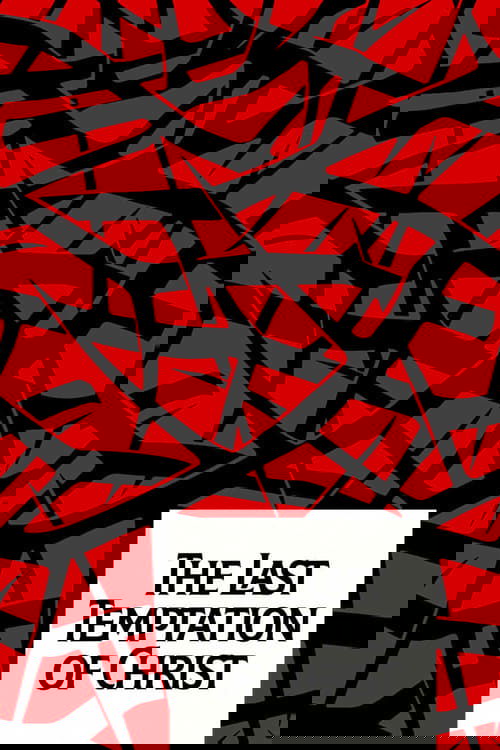
1988
RDirector
Martin Scorsese
Runtime
164 minutes
Average Rating
No ratings yetNew Showbiz Analysis
Scorsese’s film shifts away from traditional hagiography to offer a psychological study of identity and personal ability to act. It questions the absolute authority of religious and imperial institutions, prioritizing human experience over dogma. While the film provides a sophisticated critique of systemic oppression and institutional power, it remains limited by its historical setting and lack of queer representation. Gender dynamics are complex but still operate within the constraints of a patriarchal era. Ultimately, the work functions as a postmodern deconstruction of theological clichés, using the protagonist's doubt to explore individual morality and the tension between the human and the divine.
Category Breakdown
The film does not include any LGBTQ+ characters or scenarios involving non-straight relationships. It centers on the protagonist's internal struggles within the context of 1st-century Judean society.
The film challenges traditional gender roles by placing the main male character in a nurturing, domestic role during a key vision scene. Mary Magdalene is portrayed as a complex companion who resists rigid religious norms.
Set in Roman-occupied Judea, the film examines the tensions between indigenous populations and Roman authorities. It highlights the impact of colonial rule and systemic oppression through a political lens.
The narrative questions singular religious truths by presenting divinity through subjective doubt. It critiques rigid dogma and institutional authority, emphasizing humanistic exploration over established religious frameworks.
The film does not feature characters with visible or invisible disabilities as central narrative drivers.
Present on Screen
Limited or Absent
Official Synopsis
Jesus, a humble Judean carpenter beginning to see that he is the son of God, is drawn into revolutionary action against the Roman occupiers by Judas -- despite his protestations that love, not violence, is the path to salvation. The burden of being the savior of mankind torments Jesus throughout his life, leading him to doubt.
2014
1961
2004

1953
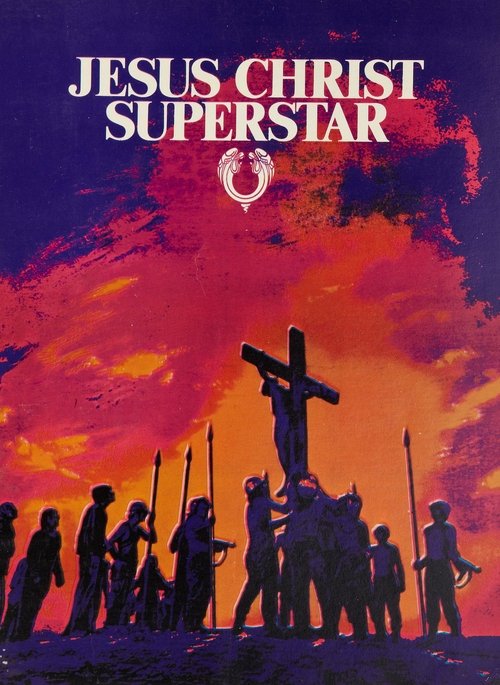
1973
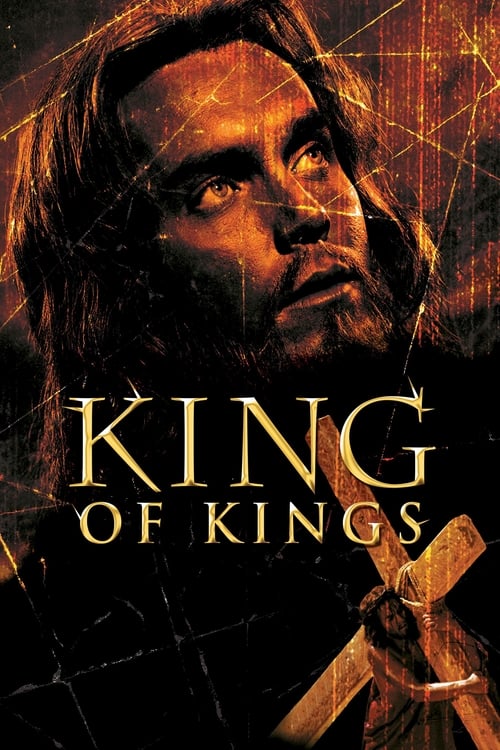
1961

2001
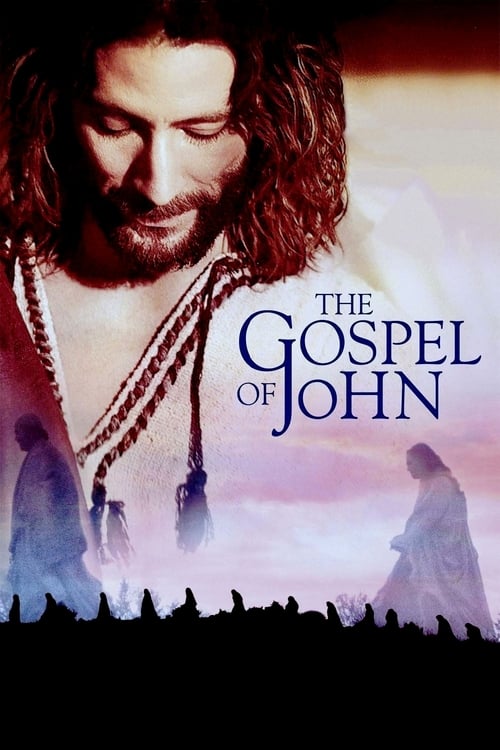
2003
No reviews yet. Be the first to share your thoughts on this movie!
Use the rating form above to leave a star rating and optional review.