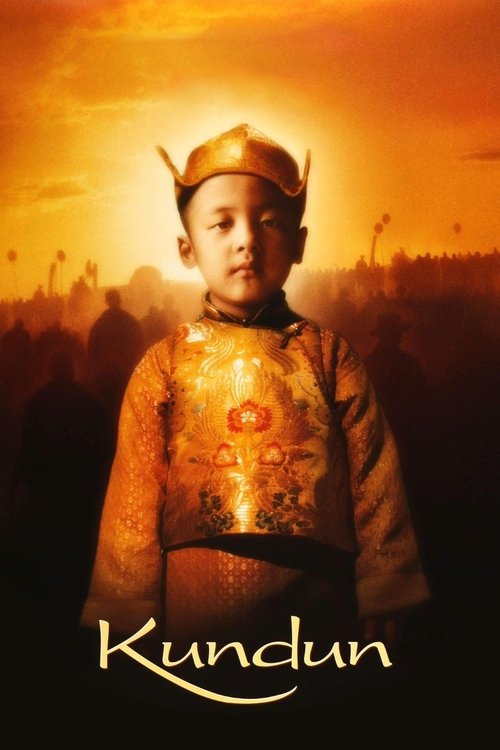
Kundun
1997
No user ratings available yet
Representation score: 3.3 out of 10
Representation Score
Limited
1993
PGDirector
Bernardo Bertolucci
Runtime
123 minutes
Average Rating
No ratings yetNew Showbiz Analysis
Bernardo Bertolucci’s film succeeds as a cross-cultural meditation, using a dual-narrative structure to bridge Nepalese reality with the legend of Siddhartha Gautama. Its primary strength lies in the deconstruction of Western materialist values through an Eastern spiritual lens. However, the film remains conservative regarding social identity, adhering to traditional gender hierarchies and lacking any representation of LGBTQ+ identities. Ultimately, the work is a meaningful departure from Hollywood norms due to its rich South Asian landscapes and its challenge to capitalist-driven existence.
Category Breakdown
The film focuses on monastic discipline and traditional family structures. It does not include any representation of LGBTQ+ identities or narratives exploring sexual identity.
The narrative centers on male-dominated spiritual lineages and patriarchal monastic life. Female characters provide domestic context but occupy secondary roles without challenging masculine authority.
The film excels through multicultural casting and settings. It weaves South Asian experiences with Western perspectives to disrupt Anglo-centric storytelling through a diverse cast.
The story offers a profound critique of Western materialism by prioritizing Buddhist philosophy. It positions consumerist values as obstacles to enlightenment within a non-secular worldview.
There are no prominent depictions of physical or neurodivergent disabilities used as central plot devices or character arcs.
Present on Screen
Limited or Absent
Official Synopsis
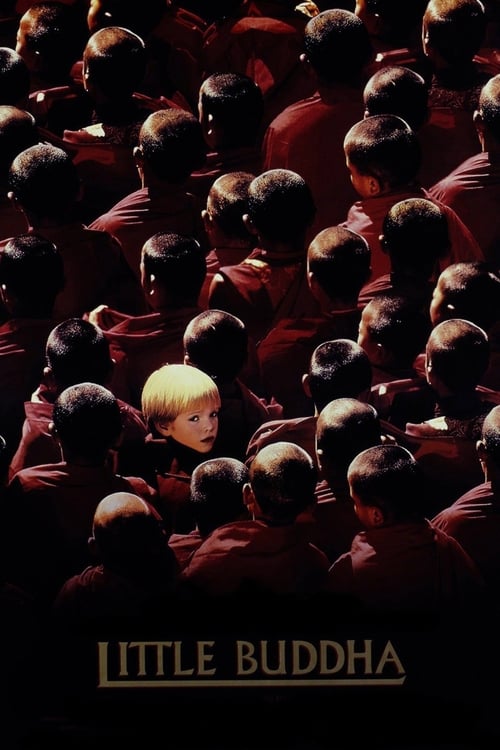
After the death of Lama Dorje, Tibetan Buddhist monks find three children — one American and two Nepalese — who may be the rebirth of their great teacher.
1997

1979

1987

1953
2016

2003

2016

2006
No reviews yet. Be the first to share your thoughts on this movie!
Use the rating form above to leave a star rating and optional review.