Belle
2013
No user ratings available yet
Representation score: 6.2 out of 10
Representation Score
Limited
2007
PGDirector
Michael Apted
Runtime
117 minutes
Average Rating
No ratings yetNew Showbiz Analysis
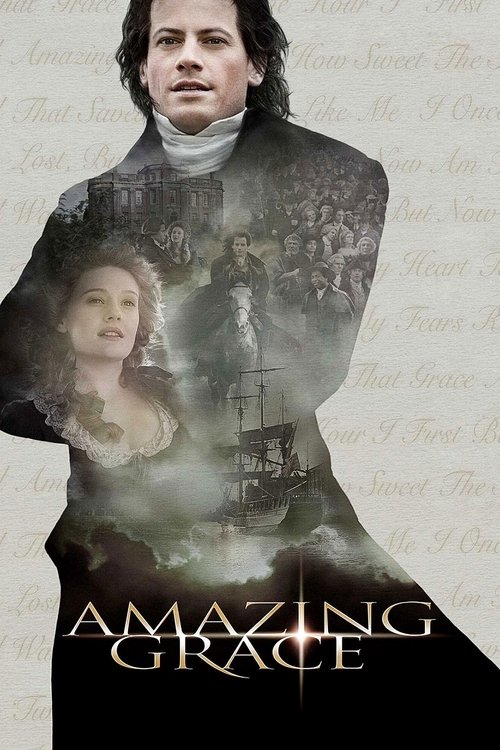
Amazing Grace is a historical critique of systemic oppression rather than a modern exploration of identity. It succeeds by deconstructing the colonial economic interests that fueled the Atlantic slave trade. The film's strength lies in its examination of the West's foundational role in human exploitation. It frames the slave trade as a profound moral crisis rather than a mere historical backdrop. However, the film remains limited by its period setting. It lacks representation of LGBTQ+ identities and maintains a male-centric focus on political and religious spheres.
Category Breakdown
The film adheres to the assumptions of 18th-century England where everyone is assumed to be straight or cisgender. There is no depiction of same-sex relationships or non-binary gender identities.
The story focuses on male-dominated spheres such as Parliament and theological debates. Women play mostly supportive or peripheral roles, reflecting the historical hierarchy of the time.
The film highlights the human cost of the slave trade and the brutality of the Middle Passage. It uses Black characters to critique the systemic moral crisis of colonial economic structures.
The narrative critiques 18th-century mercantilism and the corruption of state-sanctioned commerce. It explores the tension between evangelical morality and oppressive Western political institutions.
There are no prominent depictions of visible or invisible disabilities that serve as central narrative drivers in this historical drama.
Present on Screen
Limited or Absent
Official Synopsis
The true story of William Wilberforce and his courageous quest to end the British slave trade. Along the way, Wilberforce meets intense opposition, but his minister urges him to see the cause through.
2013
1987

1999
1990
2016
1996
2007
1992
No reviews yet. Be the first to share your thoughts on this movie!
Use the rating form above to leave a star rating and optional review.