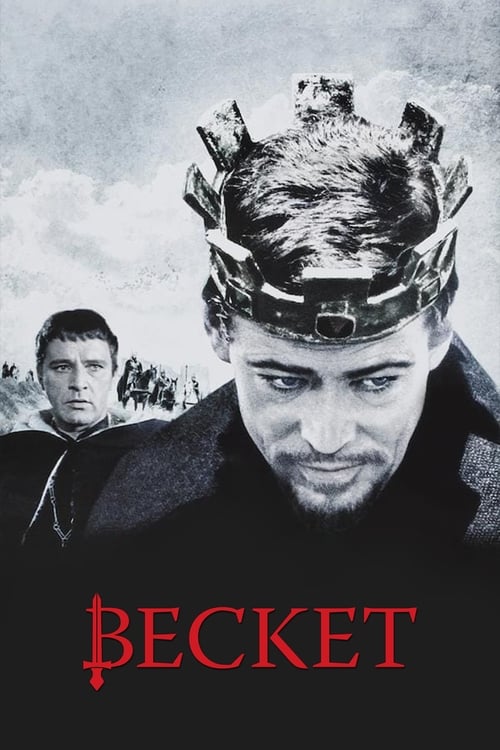
Becket
1964
No user ratings available yet
Representation score: 0.6 out of 10
Representation Score
Limited
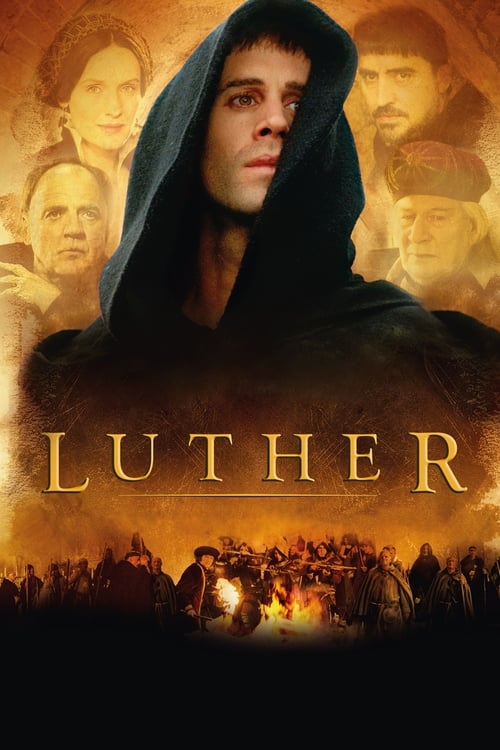
2003
PG-13Director
Eric Till
Runtime
123 minutes
Average Rating
No ratings yetNew Showbiz Analysis
Luther is a period-specific biographical drama that prioritizes historical accuracy over modern demographic diversity. Its primary strength lies in its thematic subversion of institutional power and the exploration of individual conscience against systemic religious corruption. While the film lacks representation for LGBTQ+ identities and disability, it provides a meaningful look at gendered ability to act through the lens of a partnership that challenged 16th-century expectations. The setting naturally limits racial and ethnic diversity, reflecting the era's localized European context. Ultimately, the film's impact comes from its intellectual and spiritual themes rather than its social breadth, offering a critique of established Western hierarchies.
Category Breakdown
The film focuses on 16th-century monasticism and traditional marriage. It does not include any stories about LGBTQ+ individuals or non-cisgender identities.
The story highlights the subversion of celibacy through Martin Luther’s marriage to Katharina von Bora. Their relationship offers a nuanced view of women's ability to drive the story and mutual respect within a historical domestic sphere.
Set in the Holy Roman Empire, the film reflects the demographic homogeneity of the era. It focuses on localized European socioeconomic and religious divisions rather than ethnic diversity.
The narrative critiques the Roman Catholic Church's corruption and the sale of indulgences. It emphasizes individual control over subjective spiritual truth against centralized religious authority.
There are no depictions of physical, neurodivergent, or mental health disabilities used as central plot devices or character traits.
Present on Screen
Limited or Absent
Official Synopsis
During the early 16th century, idealistic German monk Martin Luther, disgusted by the materialism in the church, begins the dialogue that will lead to the Protestant Reformation.
1964
1966
2018

1953
2006
2003
2016
1965
No reviews yet. Be the first to share your thoughts on this movie!
Use the rating form above to leave a star rating and optional review.