Black Narcissus
1947
No user ratings available yet
Representation score: 5.3 out of 10
Representation Score
Limited
1959
NRDirector
Fred Zinnemann
Runtime
151 minutes
Average Rating
No ratings yetNew Showbiz Analysis
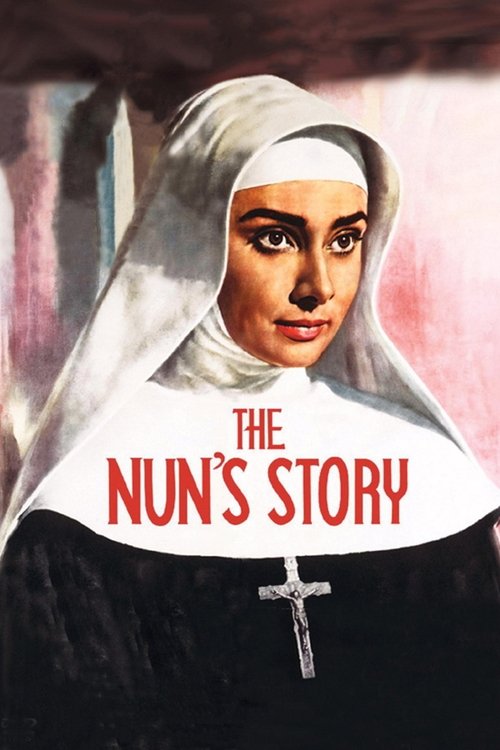
The film stands out in its challenge to traditional gender roles by placing women in positions of authority and intellectual independence. However, it is limited by a lack of racial and LGBTQ+ representation, keeping the social landscape narrow. Ultimately, the film focuses on individual ability to act against systemic control, delving into psychological complexity rather than broadening its social scope.
Category Breakdown
The film does not include any LGBTQ+ characters or non-straight identities. Relationships focus on spiritual bonds within a traditional framework.
The story challenges mid-century gender roles by highlighting a female collective. It emphasizes women's ability to drive the story and showcases their intellectual capabilities rather than their domestic roles.
The setting is a geographically and culturally homogeneous Belgian convent. Therefore, the cast lacks racial or ethnic diversity, reflecting the historical context of the time.
The film questions institutional practices by emphasizing individual conscience over strict doctrine. It explores the moral complexities of wartime decisions through a spiritual perspective.
There are no significant depictions of physical or neurodivergent disabilities within the main character arcs.
Present on Screen
Limited or Absent
Official Synopsis
After leaving a wealthy Belgian family to become a nun, Sister Luke struggles with her devotion to her vows during crisis, disappointment, and World War II.
1947

2017
2004

1944
1951
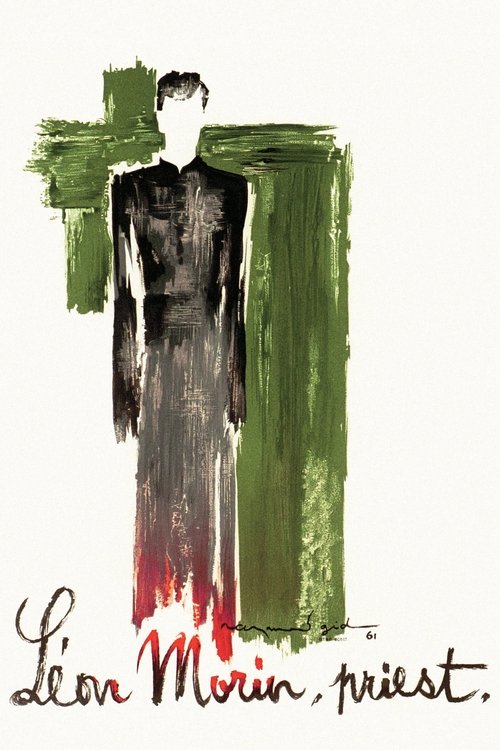
1961

2019
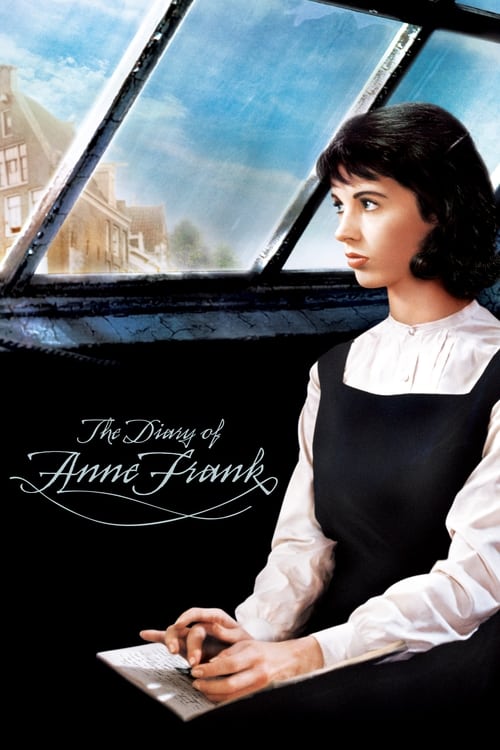
1959
No reviews yet. Be the first to share your thoughts on this movie!
Use the rating form above to leave a star rating and optional review.