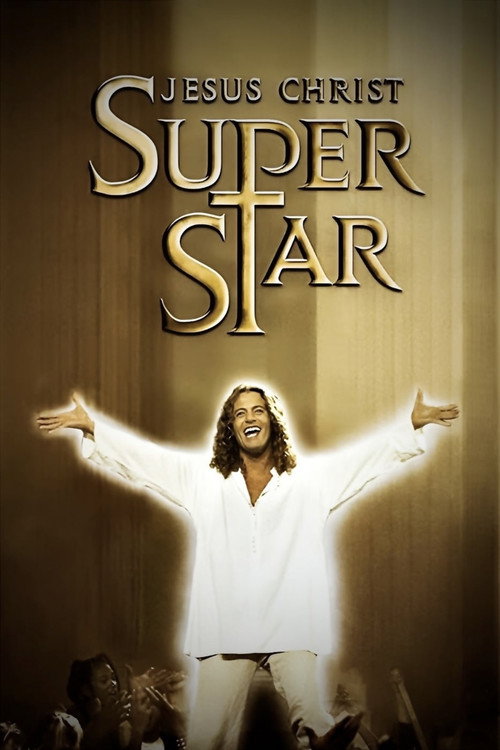
Jesus Christ Superstar
2000
No user ratings available yet
Representation score: 4.7 out of 10
Representation Score
Fair
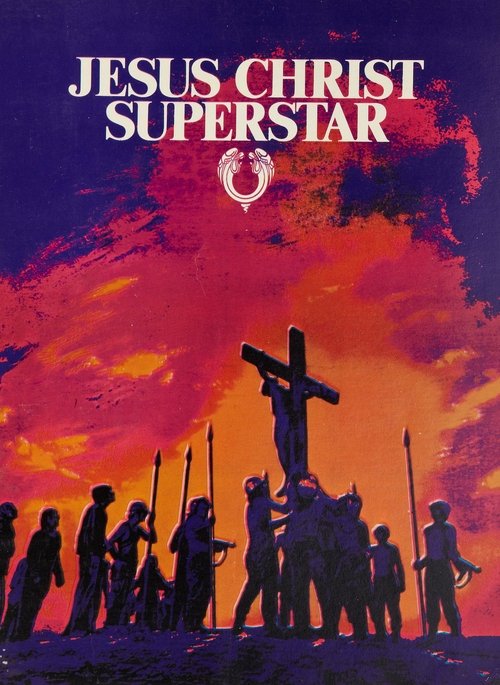
1973
GDirector
Norman Jewison
Runtime
108 minutes
Average Rating
No ratings yetNew Showbiz Analysis
Norman Jewison’s direction deconstructs traditional religious iconography by humanizing sacred figures. The film moves away from dogmatic certainty, opting instead for a complex, postmodern exploration of identity and systemic influence. The production excels at subverting institutional power, framing the Sanhedrin and Roman authorities as political actors driven by self-preservation. This approach provides a sophisticated critique of organized religious and political structures. While the film lacks explicit LGBTQ+ or neurodivergent representation, its strength lies in its nuanced portrayal of ethnic identity and the tension of life under imperial occupation.
Category Breakdown
The film follows a traditional framework that assumes everyone is straight or cisgender. It does not depict non-straight or non-cisgender identities and lacks queer undertones, focusing on established social norms.
Female characters like Mary Magdalene have significant emotional ability to act and intellectual presence. However, the narrative remains largely confined by a biblical framework that limits systemic challenges.
An international cast avoids the homogeneity typical of period epics. The casting of Carl Anderson as Judas adds significant depth to the character's role in the story.
The film critiques institutional authority by portraying religious and political structures as pragmatic, corrupt entities. It embraces moral relativism rather than simple good versus evil binaries.
There are no prominent depictions of visible or invisible disabilities that serve as central narrative drivers in this production.
Present on Screen
Limited or Absent
Official Synopsis
As played out by a theatre troupe, the last days of Jesus Christ are depicted from the perspective of Judas Iscariot, his betrayer. As Jesus' following increases, Judas begins to worry that Jesus is falling for his own hype, forgetting the principles of his teachings and growing too close to the prostitute Mary Magdalene.
2000

1965

1988

1961

2004

1953

2012
1979
No reviews yet. Be the first to share your thoughts on this movie!
Use the rating form above to leave a star rating and optional review.