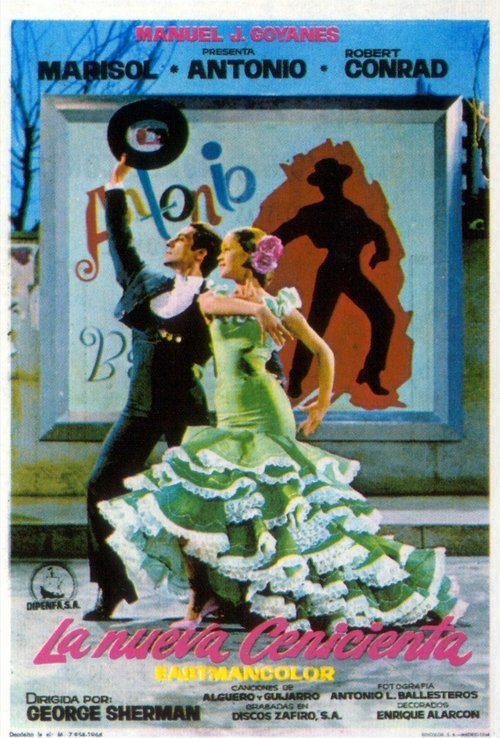
The New Cinderella
1964
No user ratings available yet
Diversity score: 3.0 out of 10
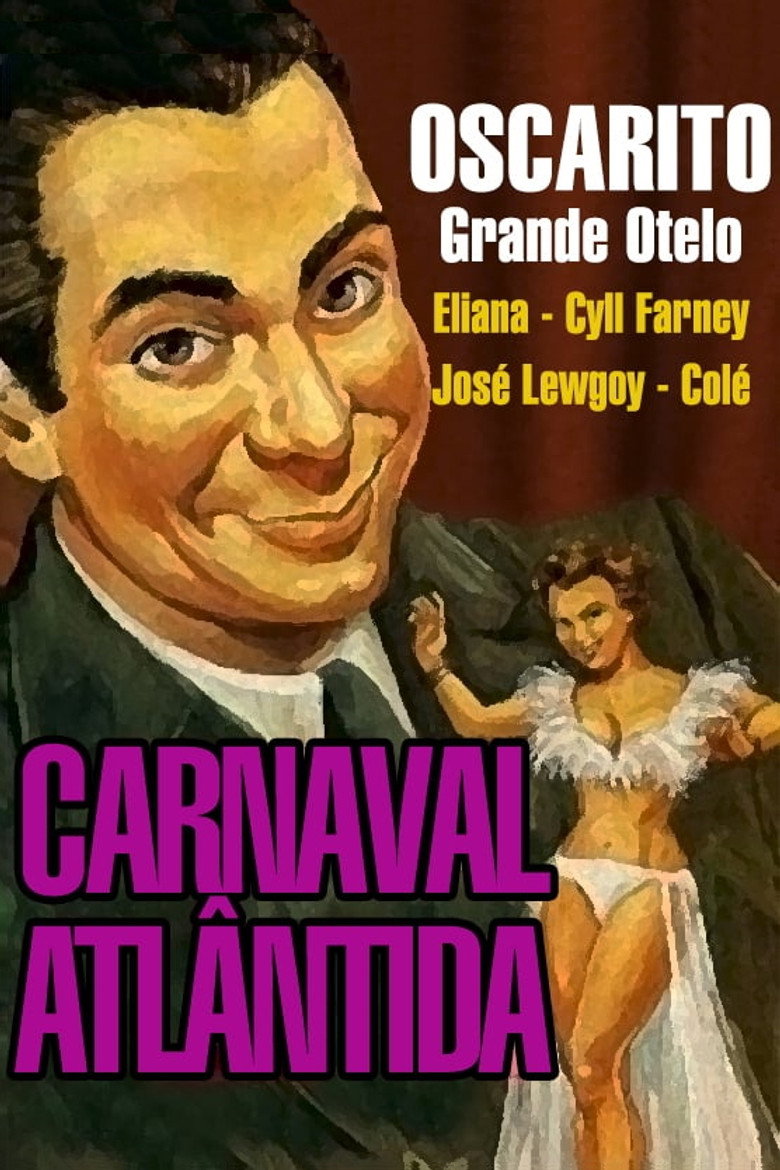
1952
Director
José Carlos Burle
Runtime
95 minutes
Average Rating
No ratings yetSynopsis
Movie producer Cecílio B. de Milho is intent on filming an epic about Helen of Troy, while some of the crew would rather turn it into a musical comedy.
Overall Score
Limited
Category Breakdown
LGBTQ+ Representation
The film follows a traditional romantic comedy structure. It lacks any evidence of non-cisnormative identities or narratives that challenge heteronormativity.
Gender Representation
The plot centers on professional hierarchies between a producer and his crew. There is no clear evidence of subverting gender roles or portraying masculinity as inept.
Racial & Ethnic Diversity
While the film engages with Brazilian cultural identity, specific casting details are unavailable. The score reflects a baseline for period-accurate, traditional casting.
Religious & Cultural Diversity
The story focuses on the tension between classical mythology and popular musical entertainment. It celebrates mid-century escapism rather than offering secularist or anti-Western critiques.
Disability Representation
There is no information available regarding the inclusion of characters with physical or neurodivergent disabilities.
Strengths
Areas for Improvement
AI Analysis
Carnaval Atlântida is a meta-cinematic comedy that prioritizes genre-based conflict over social commentary. The narrative focuses on the creative friction between high-art epics and popular musical comedies. As a product of 1952 Brazilian cinema, the film adheres to the conventional romantic and professional tropes of its era. It functions as escapist entertainment rather than a vehicle for identity politics. Ultimately, the film lacks intentional efforts to disrupt systemic hierarchies or explore intersectional identities, reflecting the standard cinematic values of the mid-twentieth century.
1964
1933

1936
1957

1979
1969

1967

1944
1965
1970

1934
1975
No reviews yet. Be the first to share your thoughts on this movie!
Use the rating form above to leave a star rating and optional review.