Gypsy Sweetheart
1935
No user ratings available yet
Representation score: 2.7 out of 10
Representation Score
Limited
1936
NRDirector
James W. Horne, Charley Rogers
Runtime
71 minutes
Average Rating
No ratings yetNew Showbiz Analysis
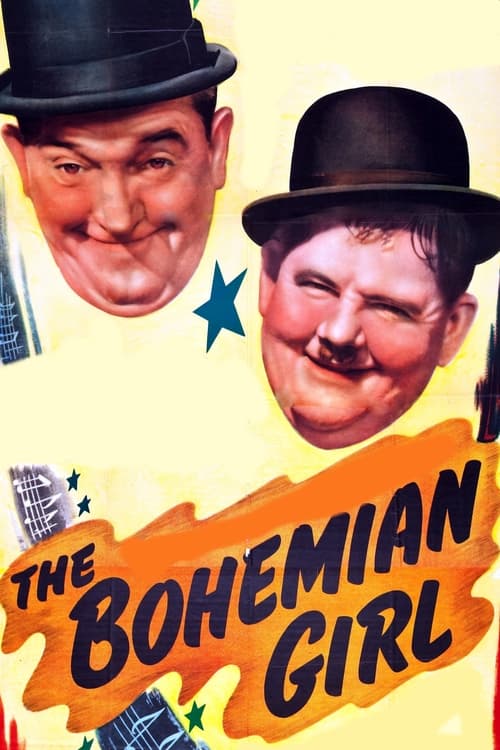
The Bohemian Girl is a musical comedy set in the 1930s, relying on established social roles. While the film introduces a nomadic Gypsy troupe, the characters remain stereotypical and romanticized. Gender roles are traditional, with women serving as objects of rescue plots. Male characters are comical incompetents rather than social critics. Overall, the film lacks the intentionality needed for modern, inclusive representation, focusing instead on classic slapstick humor.
Category Breakdown
The film does not include any characters with non-binary gender identities or same-sex relationships, sticking to the assumption that all characters are straight and cisgender.
Women in the film mainly serve as plot devices, such as the nobleman's daughter who is central to the story. The male leads are portrayed as incompetent buffoons for comedic purposes, rather than as figures challenging societal norms.
The story includes a band of Gypsies, offering a break from purely Anglo-Saxon settings. However, the portrayal focuses on romanticized stereotypes rather than fully developed, independent characters.
The narrative highlights class differences between nobles and nomadic groups. It follows traditional Western storytelling focused on escapism rather than critiquing religious or institutional issues.
The film does not feature any characters with visible or invisible disabilities.
Present on Screen
Limited or Absent
Official Synopsis
Stan and Ollie travel with a band of 18th-century Gypsies holding a nobleman's daughter.
1935
1929
1933
1933
1934
1936
1929
1933
No reviews yet. Be the first to share your thoughts on this movie!
Use the rating form above to leave a star rating and optional review.