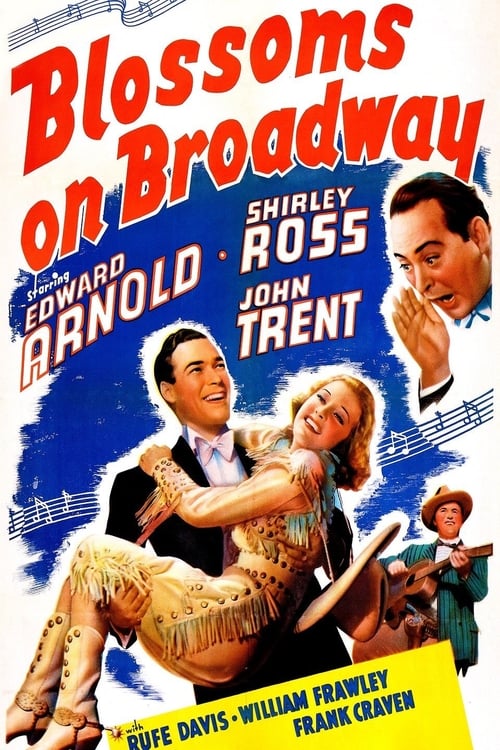
Blossoms On Broadway
1937
No user ratings available yet
Representation score: 2.0 out of 10

Representation Score
Minimal
1944
ApprovedDirector
Charles Barton
Runtime
77 minutes
Average Rating
No ratings yetNew Showbiz Analysis
Jam Session is a product of the 1940s studio system, designed primarily for entertainment. It relies on established cinematic traditions and standardized storylines rather than challenging social norms. The film emphasizes traditional formats, focusing on a star-driven musical comedy style. This approach favors conventional archetypes over diverse representation or critiques of power structures. Ultimately, the work upholds the aspirational values of its era, maintaining the demographic and social uniformity typical of mid-century Hollywood productions.
Category Breakdown
The film does not include any characters with non-binary gender identities or same-sex relationships. It follows the traditional heterosexual romance plots common in 1940s musical comedies.
Ann Miller plays a central, energetic role as the main character. However, her role remains focused on performing and pursuing romance rather than challenging traditional gender roles.
The film follows the typical casting practices of the mid-20th century, which favor white actors. There is no indication of a predominantly non-white cast.
The movie serves as traditional Hollywood entertainment that upholds Western ideals of success and fame. It supports the conventional social structures and values of its time.
There are no characters with visible or invisible disabilities in the film.
Present on Screen
Limited or Absent
Official Synopsis
A young woman from Kansas (Ann Miller) arrives in Hollywood with hopes of a movie career.
1937
1945
1930
1949

1943
1937
1943
1937
No reviews yet. Be the first to share your thoughts on this movie!
Use the rating form above to leave a star rating and optional review.