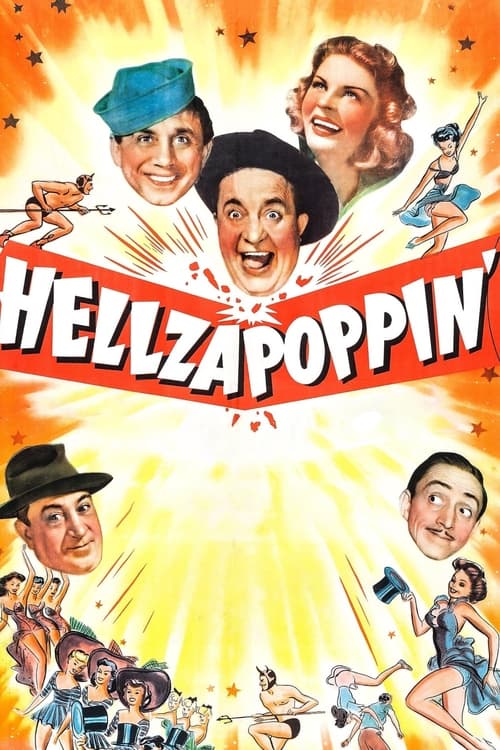
Hellzapoppin'
1941
No user ratings available yet
Diversity score: 2.6 out of 10
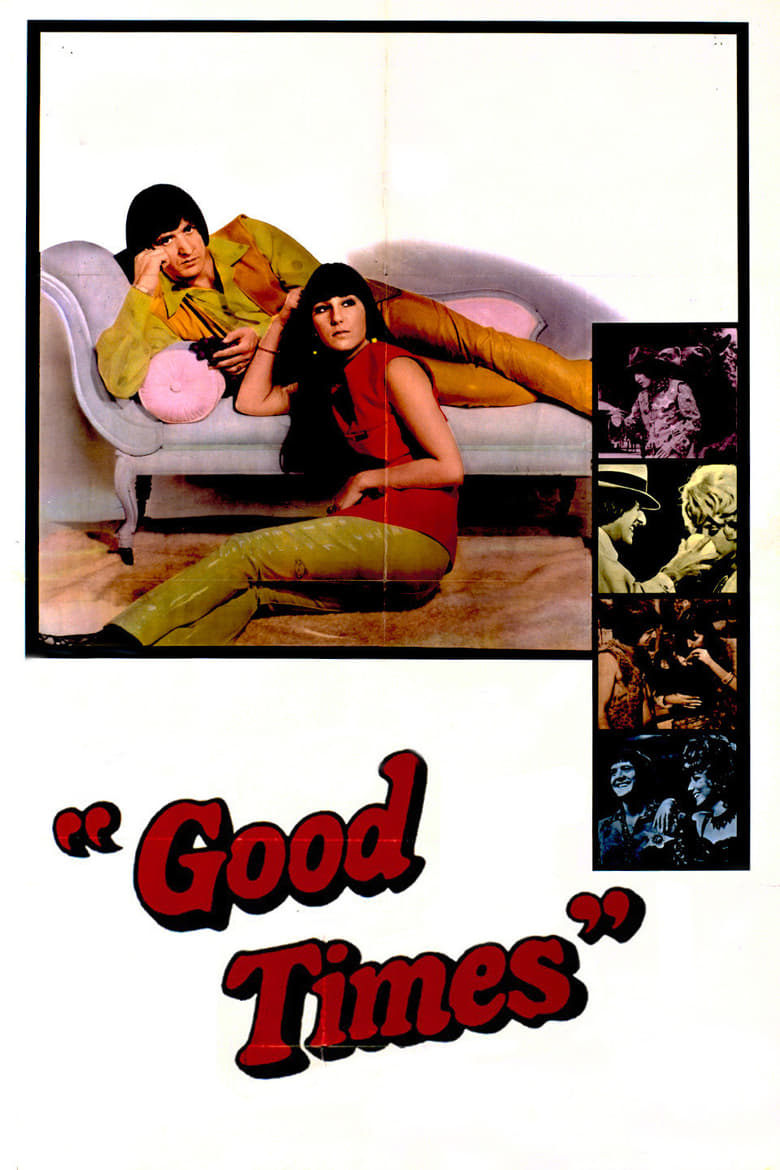
1967
Director
William Friedkin
Runtime
91 minutes
Average Rating
No ratings yetSynopsis
Given the opportunity to headline their own feature film by studio executive Mr. Mordicus, Sonny and Cher have three days to come up with an idea for a hit movie or they'll have to use the studio's hackneyed script.
Overall Score
Limited
Category Breakdown
LGBTQ+ Representation
The film operates within a traditional heteronormative framework typical of the late 1960s. There is an absence of explicit non-cisnormative identities or depictions of same-sex intimacy.
Gender Representation
Narrative weight leans heavily toward male-centric social circles and camaraderie. While Sonny and Cher are the leads, the film largely reinforces standard period gendered social dynamics.
Racial & Ethnic Diversity
The production features a predominantly white cast, reflecting the demographic homogeneity of mid-century studio comedies. It does not prioritize non-Anglo-Saxon perspectives as central drivers of the plot.
Religious & Cultural Diversity
The story focuses on professional ambition and critiques of the studio system. It follows standard comedic tropes rather than embracing radical moral relativism or systemic critiques.
Disability Representation
There is no evidence of characters with visible or invisible disabilities being integrated into the narrative. The focus remains strictly on the central performers' immediate social circle.
Strengths
Areas for Improvement
AI Analysis
Good Times functions as a character-driven comedy centered on the pressures of the entertainment industry. While directed by a New Hollywood figure known for gritty realism, the film stays within the conventional demographic boundaries of its era. The narrative prioritizes individual ambition and social cohesion over intersectional representation. It explores the professional navigation of its leads without fundamentally disrupting established social, racial, or gender hierarchies. Ultimately, the film serves as a study of the studio system rather than a vehicle for systemic critique or diverse social exploration.
1941
1967

1986

1983
1959
1957

1970
1949

2019
1980

1979

1968
No reviews yet. Be the first to share your thoughts on this movie!
Use the rating form above to leave a star rating and optional review.