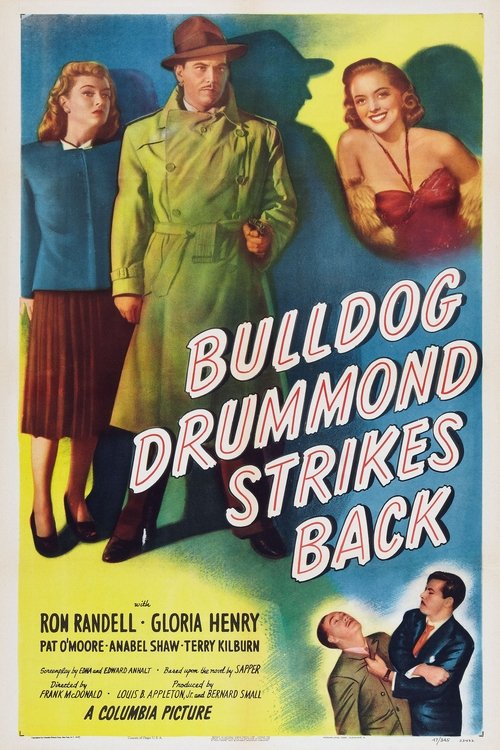
Bulldog Drummond Strikes Back
1947
No user ratings available yet
Representation score: 0.3 out of 10
Representation Score
Limited
1947
ApprovedDirector
Wallace Fox
Runtime
285 minutes
Average Rating
No ratings yetNew Showbiz Analysis
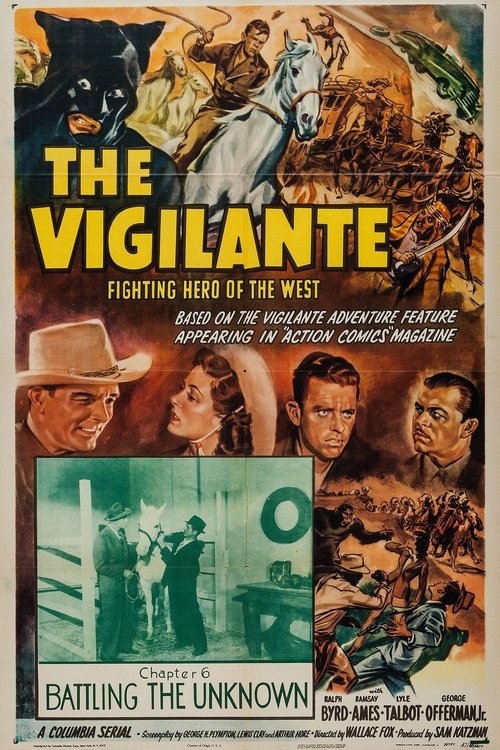
The Vigilante: Fighting Hero of the West is a product of its time, operating within the rigid social and industrial frameworks of 1947 Columbia serials. The film prioritizes traditional storytelling, focusing on a masculine hero to drive the action. Representation is limited, as the production adheres to the era's standard casting and narrative conventions. It reinforces conventional hierarchies rather than challenging them, offering a worldview rooted in mid-century American values. Ultimately, the film functions as a standard genre piece that lacks the complexity required for modern diversity standards, favoring established clichés over inclusive character development.
Category Breakdown
The film does not include any characters with non-straight sexual orientations or same-sex relationships. It follows the assumption that everyone is straight or cisgender, which was common in 1947 cinema.
The story focuses on a male protagonist who embodies traditional masculinity, reinforcing gender hierarchies. Female characters tend to have passive roles or serve as supporting figures.
The casting likely aligns with the homogeneity of the era, featuring Anglo-Saxon actors as the main characters. There is no indication of diverse casting or actors from different backgrounds.
The story uses the vigilante cliché to restore traditional order rather than providing progressive critiques. It emphasizes individualistic heroism and clear moral distinctions.
The film does not feature nuanced depictions of neurodivergence or physical disabilities. Any such traits would likely be used as plot devices rather than realistic portrayals.
Present on Screen
Limited or Absent
Official Synopsis
Columbia's 33rd serial (made between "Jack Armstrong" and "The Sea Hound") was based on the character that first appeared in "Action Comics" No. 42.
1947

1966
1945
1940
1938
1936
1939
1972
No reviews yet. Be the first to share your thoughts on this movie!
Use the rating form above to leave a star rating and optional review.