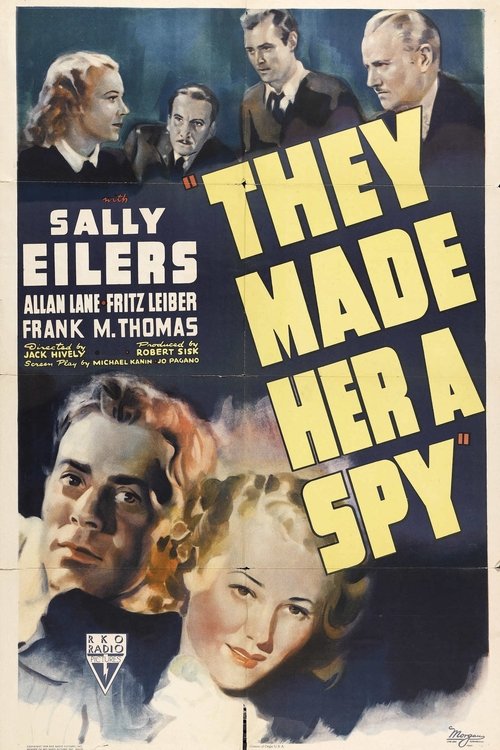
They Made Her a Spy
1939
No user ratings available yet
Diversity score: 2.8 out of 10

1952
ApprovedDirector
George Blair
Runtime
60 minutes
Average Rating
No ratings yetSynopsis
A pastry-shop girl (Penny Edwards) sees a priest's (Ross Elliott) and a lawyer's (Rick Vallin) brother take part in a jewel heist.
Overall Score
Minimal
Category Breakdown
LGBTQ+ Representation
The film follows a traditional mid-century suspense framework. It lacks non-cisnormative identities or narratives that critique heteronormativity.
Gender Representation
A female protagonist serves as the primary witness to a crime. However, she is largely positioned within the 'vulnerable witness' trope common to noir.
Racial & Ethnic Diversity
The cast and setting reflect the homogeneous demographic norms of the 1950s. There is no evidence of non-white or non-Anglo-Saxon majority casting.
Religious & Cultural Diversity
The narrative is grounded in traditional Western institutions like the church and the law. These figures act as the standard arbiters of morality.
Disability Representation
There is no evidence of characters with visible or invisible disabilities. Neurodivergence and physical disabilities are not integrated into the narrative arc.
Strengths
Areas for Improvement
AI Analysis
Woman in the Dark is a conventional 1952 crime thriller that adheres strictly to the social and cinematic hierarchies of its era. The film prioritizes genre tropes, such as noir and suspense, over the exploration of intersectional identities or the subversion of social norms. The narrative reinforces traditional roles and relies on established institutional authority. While it features a female lead, the power dynamics favor male figures like the priest and the lawyer, maintaining a standard mid-century social structure. Ultimately, the production lacks demographic breadth. It serves as a baseline example of mainstream storytelling from the period, characterized by a centralized, white-centric depiction of society.
1939
1957
1939
1935
1953
1957
1935
1953
1957
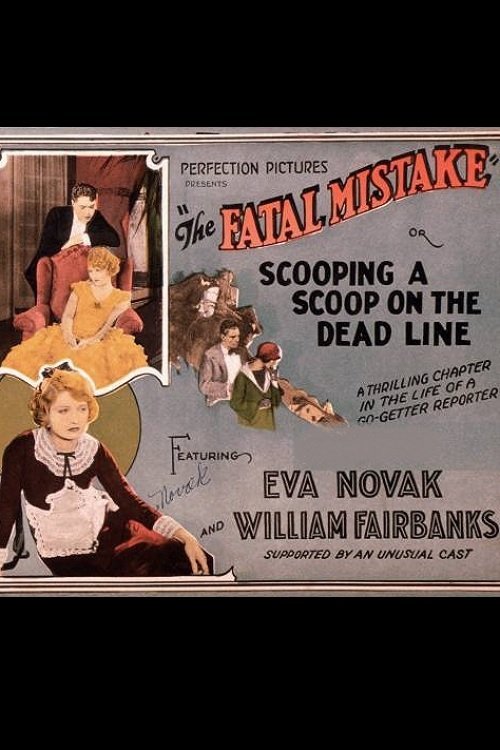
1924
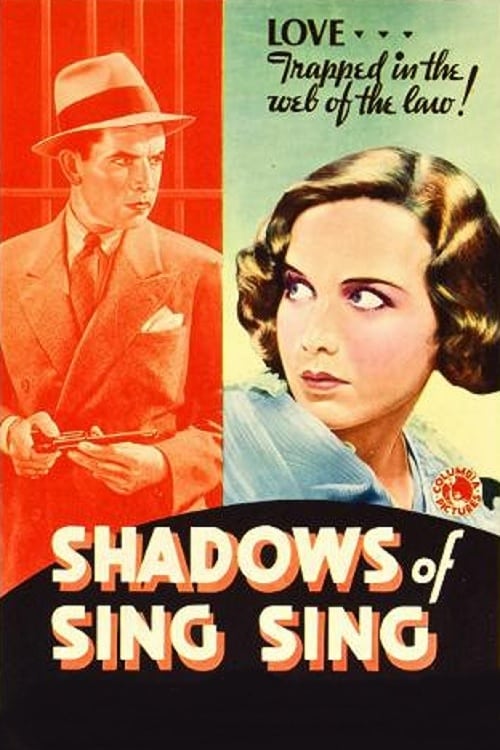
1933
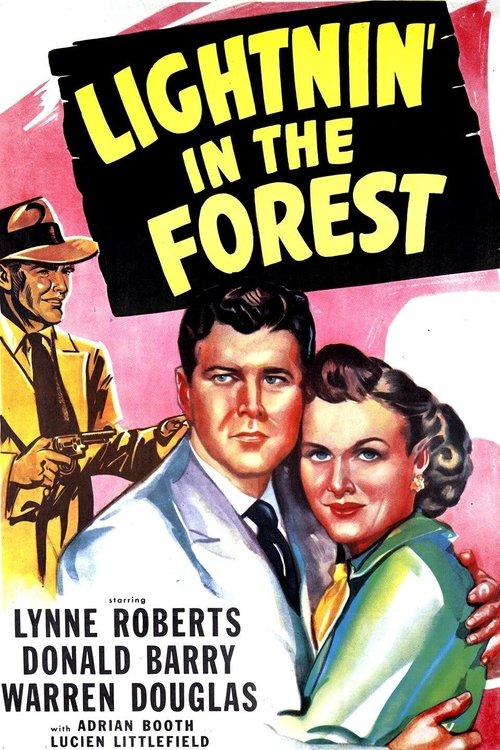
1948
No reviews yet. Be the first to share your thoughts on this movie!
Use the rating form above to leave a star rating and optional review.