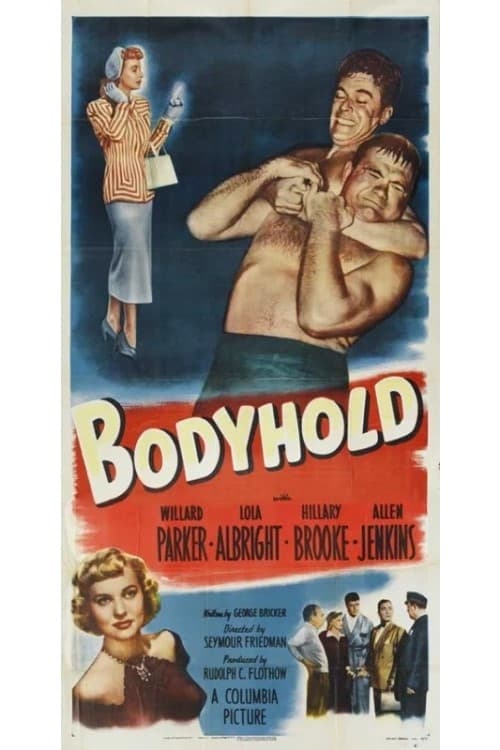
Bodyhold
1949
No user ratings available yet
Representation score: 1.4 out of 10
No Poster Available
Representation Score
Minimal
1942
ApprovedDirector
Ray Taylor
Runtime
61 minutes
Average Rating
No ratings yetNew Showbiz Analysis
Treat 'Em Rough is a standard mid-century crime drama that prioritizes genre efficiency over social subversion. The narrative follows a traditional arc of personal redemption and the restoration of familial honor through a male protagonist. The film functions as a product of the rigid studio system, reinforcing the social and gender hierarchies of its era. It relies on classical clichés of justice and patriarchal stability rather than exploring complex social dynamics. Ultimately, the work serves as a snapshot of 1940s cinematic norms, offering a homogeneous view of morality and social structure without challenging the status quo.
Category Breakdown
The film adheres to strict conventions that assume everyone is straight or cisgender, typical of 1940s crime dramas. There is no evidence of characters with non-traditional sexual orientations or gender identities.
Narrative ability to act is concentrated on male characters, particularly the former boxer and his father. The plot focuses on male-dominated social structures and patriarchal honor.
The production appears to maintain the demographic status quo of 1942. It lacks evidence of diverse ethnic representation or non-Anglo-Saxon casting.
The story reinforces conventional Western values regarding legality and paternal respect. It focuses on restoring social order rather than critiquing established institutions.
There is no evidence of characters with disabilities being portrayed with ability to act. Physical impairments are not utilized as nuanced character studies in this work.
Present on Screen
Limited or Absent
Official Synopsis
When his father is accused of graft, a former boxer returns home to clear his name.
1949
1949

1966

1959

1938

1929
1948
1936
No reviews yet. Be the first to share your thoughts on this movie!
Use the rating form above to leave a star rating and optional review.