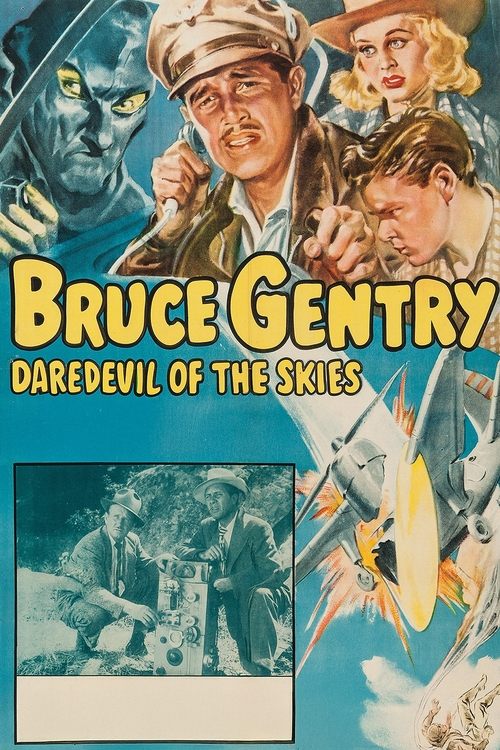
Bruce Gentry
1949
No user ratings available yet
Diversity score: 2.7 out of 10
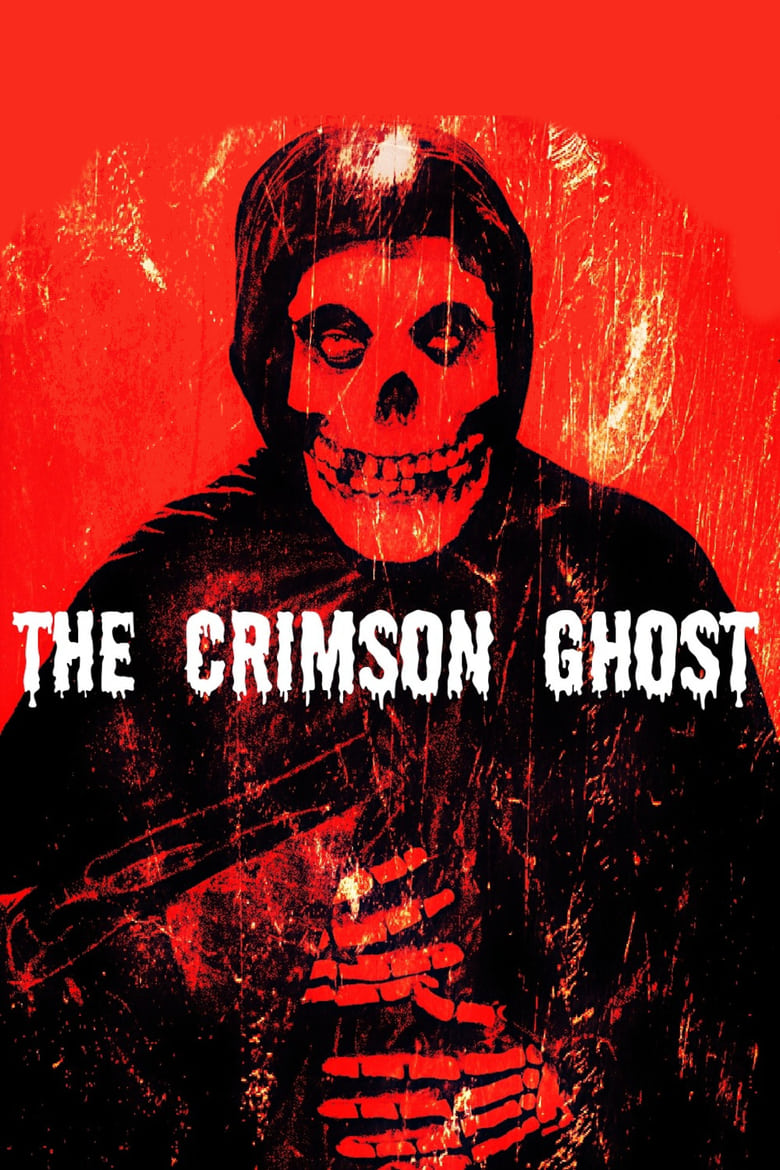
1946
NRDirector
Fred C. Brannon, William Witney
Runtime
167 minutes
Average Rating
No ratings yetSynopsis
A criminal mastermind known as The Crimson Ghost is out to steal a device called the Cyclotrode, which can short-circuit all electrical current on the planet.
Overall Score
Minimal
Category Breakdown
LGBTQ+ Representation
The film contains no discernible LGBTQ+ characters or non-heteronormative identity markers. It operates within a strictly traditional mid-century framework with no queer subtext.
Gender Representation
Narrative agency is concentrated almost exclusively in the male protagonist. Female characters function in traditional supporting roles, often serving as catalysts for the hero rather than driving the plot.
Racial & Ethnic Diversity
The cast and setting reflect a homogeneous social environment typical of 1946 Republic Pictures. There is no evidence of significant racial or ethnic diversity or non-white protagonists.
Religious & Cultural Diversity
The serial reinforces traditional Western values through a binary struggle between law-abiding citizens and criminals. It celebrates the preservation of social order through individual heroism.
Disability Representation
There is no evidence of characters with visible or invisible disabilities. The film does not utilize disability or neurodivergence as a narrative device.
Strengths
Areas for Improvement
AI Analysis
The Crimson Ghost is a quintessential product of its era, functioning as a reinforcement of mid-century social and cultural structures. The narrative architecture relies on established pulp tropes that prioritize traditional masculinity and racial homogeneity. While the film succeeds as a high-octane action-adventure, it lacks the intentionality required to disrupt or expand upon the social hierarchies of the 1940s. The story focuses on a binary moral framework and the preservation of the status quo. Ultimately, the production adheres to the standard genre archetypes of the time, offering a world that lacks intersectional complexity or diverse representation.
No reviews yet. Be the first to share your thoughts on this movie!
Use the rating form above to leave a star rating and optional review.