Kill or Be Killed
1950
No user ratings available yet
Representation score: 0.5 out of 10
Representation Score
Minimal
1945
ApprovedDirector
Howard Bretherton, Wallace Grissell
Runtime
225 minutes
Average Rating
No ratings yetNew Showbiz Analysis
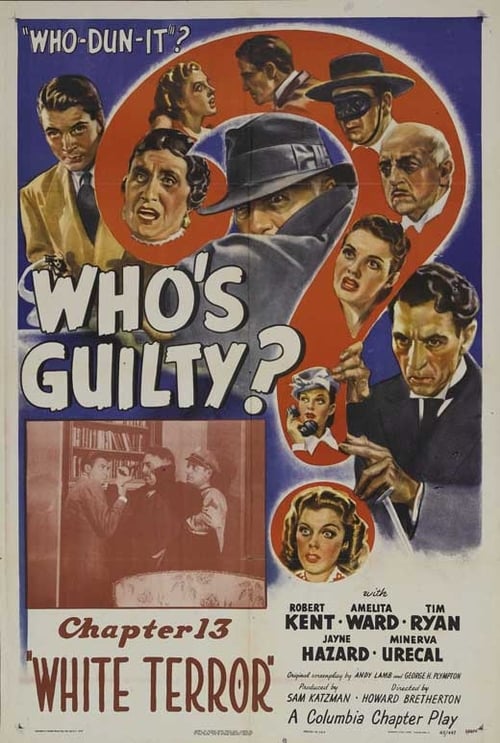
Who's Guilty? is a product of the mid-1940s studio system, functioning within the rigid social and narrative constraints of its era. The film prioritizes genre-driven action and mystery over social complexity or subversive storytelling. Representation is largely conventional, mirroring the demographic homogeneity of the period. The film reinforces existing social hierarchies and traditional Western judicial structures rather than offering any meaningful perspectives that reflect multiple aspects of identity. Ultimately, the work serves as a historical snapshot of mainstream crime cinema, characterized by a lack of diverse character arcs and a reliance on established social norms.
Category Breakdown
The film does not include any LGBTQ+ characters or narratives. It adheres to the strict production standards of 1945, offering no critique of the assumption that everyone is straight or cisgender.
Female characters likely play supporting roles, serving as domestic catalysts for male protagonists rather than driving the central mystery or action themselves.
The production reflects the demographic homogeneity typical of mid-century American cinema. It follows the conventional Western-centric casting norms prevalent in 1940s crime films.
The narrative focuses on restoring social order through established legal or vigilante means. It reinforces traditional morality and institutional stability rather than questioning them.
There is no documented evidence regarding the inclusion of characters with physical or neurodivergent disabilities.
Present on Screen
Limited or Absent
1950
1947
1934
1944
1945
1942
1950

1946
No reviews yet. Be the first to share your thoughts on this movie!
Use the rating form above to leave a star rating and optional review.