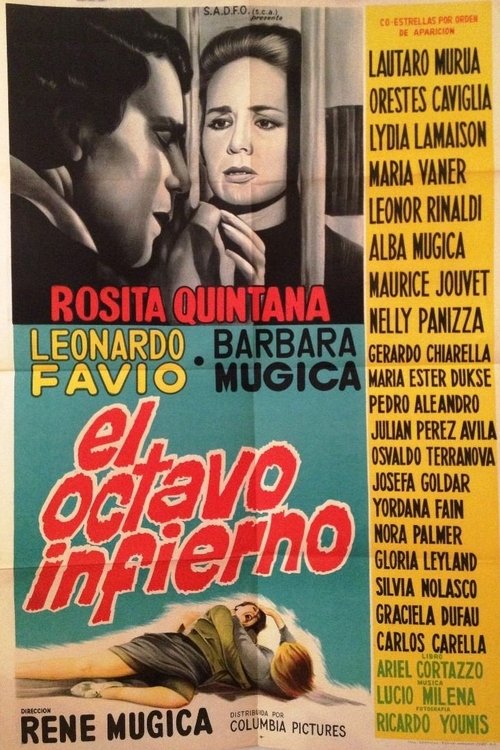
El octavo infierno, cárcel de mujeres
1964
No user ratings available yet
Representation score: 3.9 out of 10
Representation Score
Limited
1969
Director
Mario Camus
Runtime
104 minutes
Average Rating
No ratings yetNew Showbiz Analysis
Mario Camus's drama is a sophisticated critique of the institutionalized structures of late 19th-century Spain. While the film is limited by its historical setting—leading to low scores for racial and LGBTQ+ representation—it excels in its deconstruction of patriarchal and religious dominance. The film's strength lies in its focus on women's ability to drive the story. By centering the narrative on Soledad Romero, the film exposes the systemic pressures and repressions imposed upon women, transforming a murder trial into a study of individual autonomy against social conformity. Ultimately, the work provides a progressive look at how traditionalist social structures demand conformity, using the protagonist's life to challenge the stability of established hierarchies.
Category Breakdown
The film does not include any explicit LGBTQ+ characters or stories. The plot revolves around the protagonist's struggle within a society that assumes everyone is straight.
Soledad Romero plays a key role in challenging the male-dominated society. The film overturns passive female stereotypes by highlighting her significant role in driving the story and the mental strain caused by societal expectations.
The cast is ethnically uniform, mirroring the demographics of 19th-century rural Spain. It does not use diverse casting to question the era's social limitations.
The story criticizes the Church and established social orders as oppressive forces. It depicts communal authority as a means of repression rather than a moral guide.
There is no significant evidence of characters using visible or invisible disabilities as central plot devices or subjects of ridicule.
Present on Screen
Limited or Absent
Official Synopsis
At the end of the 19th century, Soledad Romero, a well-known singer, is accused of murder. During the trial her tragic story is revealed.
1964
1960
1963

1964

1949
1969
1981

1977
No reviews yet. Be the first to share your thoughts on this movie!
Use the rating form above to leave a star rating and optional review.