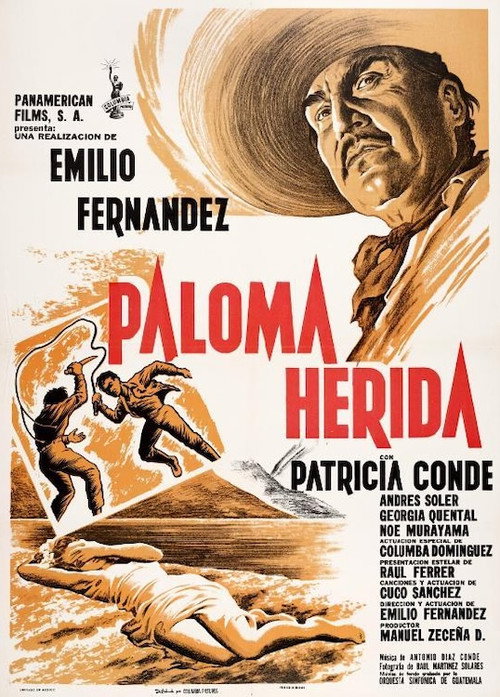
Paloma herida
1963
No user ratings available yet
Representation score: 4.5 out of 10

Representation Score
Limited
1955
TV-14Director
Julián Soler
Runtime
100 minutes
Average Rating
No ratings yetNew Showbiz Analysis
La mujer X is a mid-century Mexican melodrama centered around a woman's sacrifice to protect her family's name. While the film places a central role for a female protagonist, her motivations are deeply rooted in the patriarchal expectations of the 1950s. Her decision to remain silent during a murder accusation serves the interests of lineage rather than personal autonomy. The production reflects the standard cultural and social norms of the Golden Age of Mexican cinema. It emphasizes domestic duty and social cohesion, offering a traditionalist view of justice and reputation. There is little evidence of attempts to challenge the era's established social or gendered hierarchies. Ultimately, the film functions as a period piece that reinforces the very structures it depicts. It offers a window into the conservative values of its time, where the preservation of the family unit outweighs individual ability to act or diverse identity representation.
Category Breakdown
The film does not include any LGBTQ+ characters or explore non-straight relationships. It focuses solely on traditional family structures and reproductive legacies.
A female character serves as the emotional heart of the story. However, her role is constrained by her commitment to upholding patriarchal values and protecting her son's reputation.
Featuring a predominantly Mexican cast, the film reflects the demographic norms of its time without explicitly challenging existing racial hierarchies.
The narrative emphasizes domestic sanctity and family reputation over individual truths. This reflects a conservative adherence to traditional social hierarchies and institutional stability.
There is no depiction of characters with physical or neurodivergent disabilities within the film's narrative.
Present on Screen
Limited or Absent
Official Synopsis
A woman accused of murder refuses to defend herself in any way, in order to avoid tarnishing the family name and the reputation of her long-lost son.
1963
1955
1943
1964

1949
1958
1964
1955
No reviews yet. Be the first to share your thoughts on this movie!
Use the rating form above to leave a star rating and optional review.