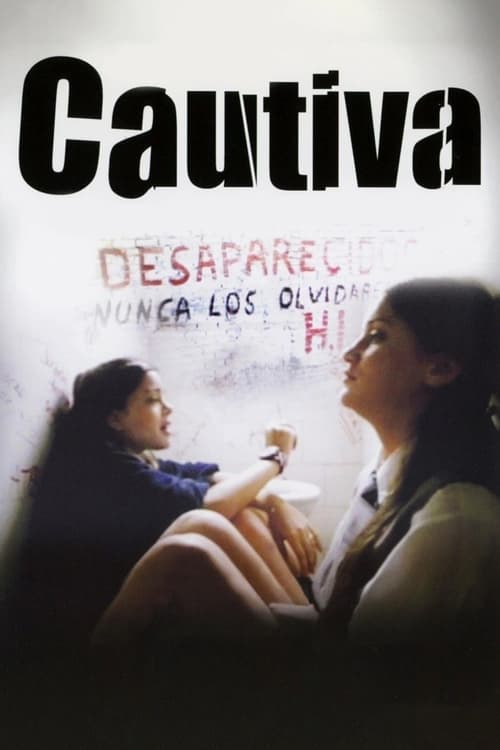
Cautiva
2004
No user ratings available yet
Representation score: 3.8 out of 10

Representation Score
Fair
2007
Director
Emilio Martínez Lázaro
Runtime
100 minutes
Average Rating
No ratings yetNew Showbiz Analysis
The film is a focused historical reconstruction that succeeds in centering women's ability to drive the story within a period of intense systemic injustice. By focusing on thirteen women facing state-sponsored oppression, it disrupts traditional gender hierarchies and provides a necessary critique of institutional corruption. However, the film's impact is limited by its specific historical and geographic setting. The narrative lacks LGBTQ+ representation and diverse ethnic perspectives, which are constrained by the era's demographic realities. Ultimately, the work functions as a powerful deconstruction of nationalist myths, replacing official state history with the human cost of political upheaval.
Category Breakdown
The film focuses on a historical tragedy in 1940s Spain. There are no LGBTQ+ characters or narratives addressing non-straight identities within the plot.
The narrative centers on thirteen women, emphasizing their active roles against state oppression. It challenges patriarchal structures by portraying them as active participants in a political struggle.
The cast reflects the demographic reality of rural Spain during the Franco regime. It focuses on the localized struggles of a working-class Spanish population.
The film critiques institutional power by portraying the state apparatus as corrupt. It prioritizes the lived experiences of victims over official nationalist myths.
There is no evidence of physical or neurodivergent disabilities being used as central narrative elements in this historical drama.
Present on Screen
Limited or Absent
Official Synopsis
True story of thirteen totally normal young women that suffered harsh questioning and were put in prison under made up charges of helping the rebellion against Franco back in the 1940s. Despite of their innocence, the thirteen were soon executed without even a trace of evidence of any wrong doing.
2004
2011
1995
1985

2006

2020
2013
2015
No reviews yet. Be the first to share your thoughts on this movie!
Use the rating form above to leave a star rating and optional review.