Murderous Maids
2000
No user ratings available yet
Diversity score: 5.3 out of 10
2025
Director
Maria Brendle
Runtime
107 minutes
Average Rating
No ratings yetSynopsis
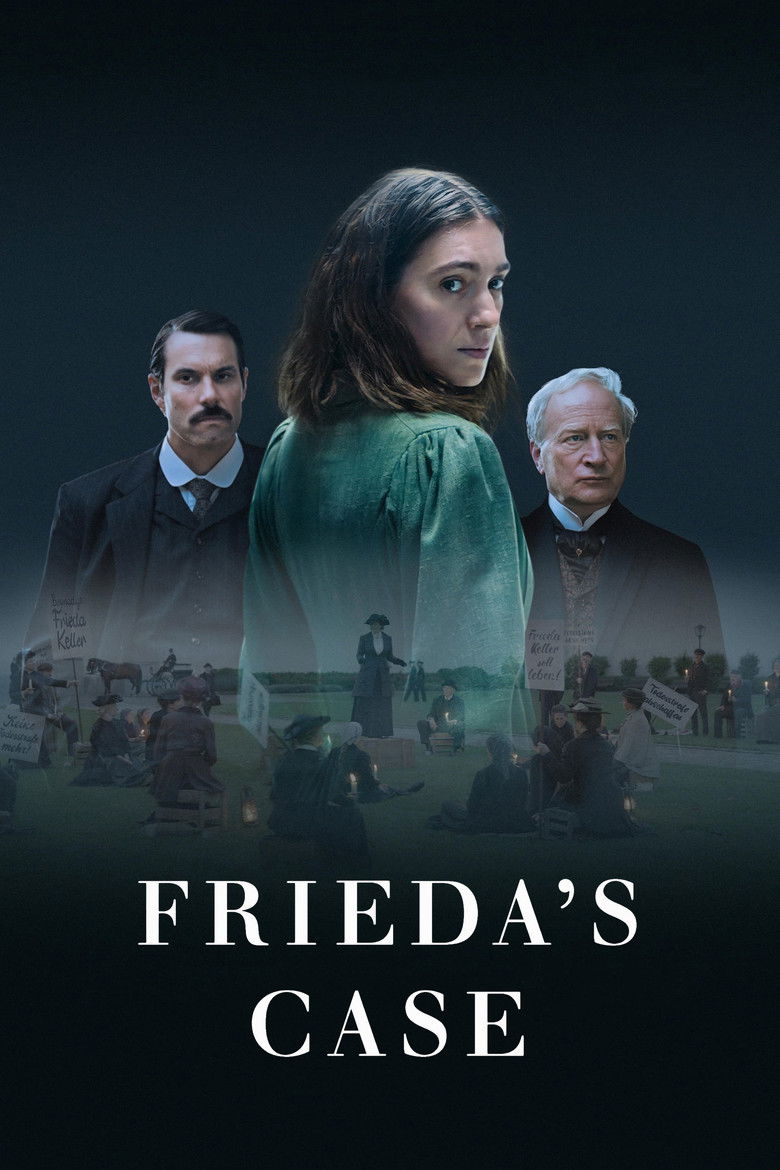
Chronicles the fate of Frieda Keller, a young seamstress in St. Gallen who, in 1904, is accused of murdering her 5-year-old son Ernstli.
Overall Score
Good
Category Breakdown
LGBTQ+ Representation
The film operates within the rigid heteronormative structures of 1904 Switzerland. While no explicit LGBTQ+ characters are mentioned, the focus on illegitimate status explores social deviations from the nuclear family norm.
Gender Representation
Frieda Keller serves as a powerful female protagonist challenging patriarchal legal systems. The narrative centers on her struggle against systemic misogyny and male-dominated institutions.
Racial & Ethnic Diversity
The setting reflects the demographic homogeneity of early 20th-century Switzerland. The story prioritizes class-based struggles, such as the life of a seamstress, over racial diversity.
Religious & Cultural Diversity
The film critiques traditional Western institutions and social morality. It challenges religious and state-sanctioned ideals by framing the era's legal system as corrupt.
Disability Representation
There is no evidence of characters with physical or neurodivergent disabilities in this historical drama.
Strengths
Areas for Improvement
AI Analysis
Frieda's Case is a period drama that uses a true historical event to dismantle the perceived stability of early 20th-century institutions. By centering on a seamstress accused of infanticide, the film highlights the intersection of class and gendered injustice. The narrative succeeds in subverting traditional hierarchies, placing a marginalized woman at the heart of a courtroom battle against systemic corruption. It functions as a critique of the patriarchal family unit and the legal structures that enforced it. However, the film's historical specificity limits its breadth. The demographic focus remains narrow, reflecting the homogeneity of 1904 Switzerland, and there is no visible representation of LGBTQ+ identities or disability.
2000
2024
2019
2025
2013

2025
2005
1934
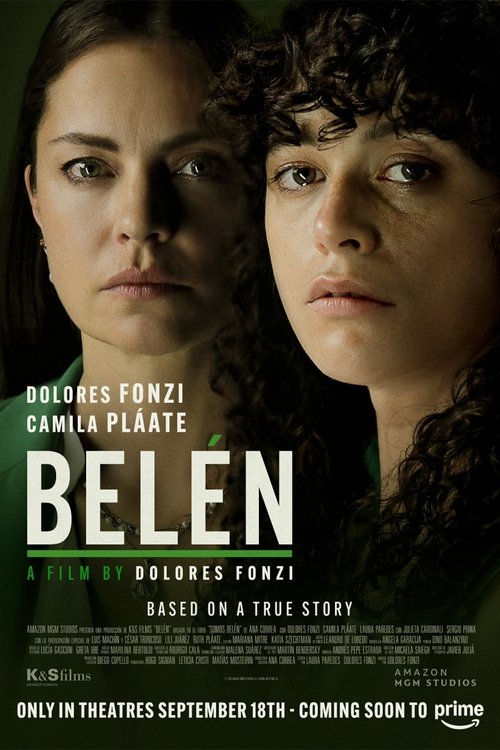
2025
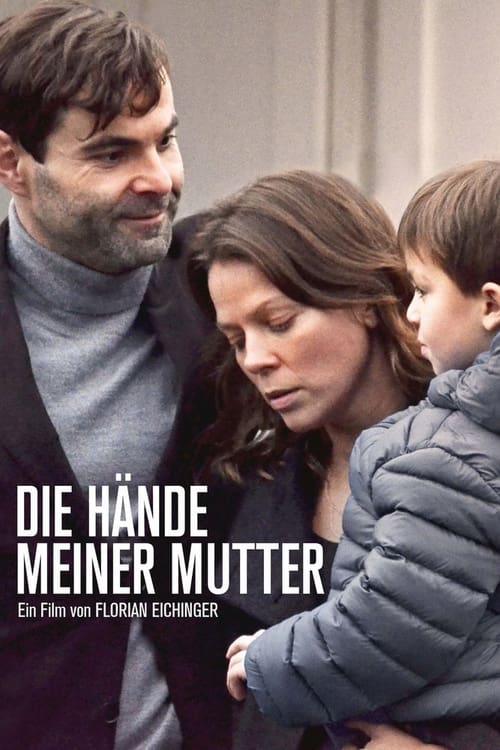
2016
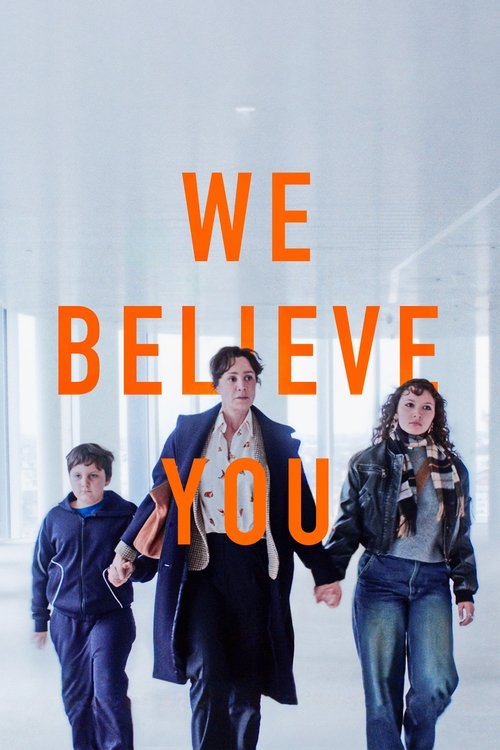
2025
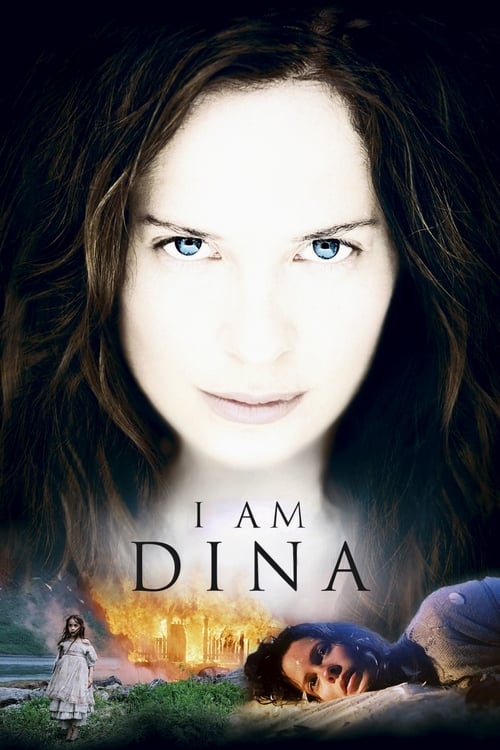
2002
No reviews yet. Be the first to share your thoughts on this movie!
Use the rating form above to leave a star rating and optional review.