
Cita imposible
1958
No user ratings available yet
Representation score: 2.7 out of 10
Representation Score
Limited
1964
16Director
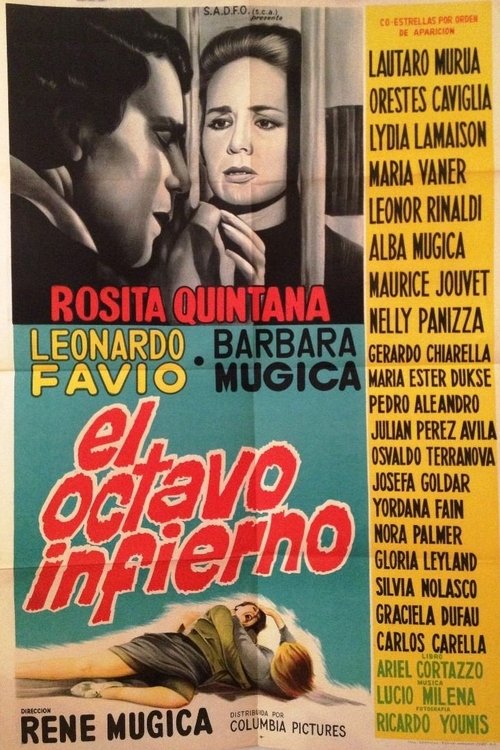
René Múgica
Runtime
81 minutes
Average Rating
No ratings yetNew Showbiz Analysis
René Múgica’s drama centers on a mother's struggle against systemic failure. Following a woman's quest to prove her son's innocence, the film explores the intersection of class and the legal apparatus. The narrative emphasizes a proactive female lead who challenges established power hierarchies. This focus on a woman navigating institutional corruption provides a progressive framework for a social drama. However, the film's diversity profile is limited by a lack of representation for LGBTQ+ and disability-related themes. While it succeeds in highlighting gendered ability to act and working-class struggles, these gaps prevent a higher overall score.
Category Breakdown
The film does not include any LGBTQ+ characters or narratives. It focuses solely on heterosexual relationships.
A female protagonist drives the plot. She goes beyond traditional domestic roles to actively seek justice in a male-dominated legal system.
The film highlights Mexican working-class characters, such as a taxi driver, reflecting specific socio-economic conditions.
The story critiques institutional justice systems and their potential for error. It challenges the idea of institutional infallibility through a lens of systemic morality.
There is no depiction of physical or neurodivergent characters. No disability-related narratives are present.
Present on Screen
Limited or Absent
Official Synopsis
A woman tries to prove his son's innocence, a taxi driver who is accused of murder.
1958

1964

1965

1960

1969
1958

1986

1979
No reviews yet. Be the first to share your thoughts on this movie!
Use the rating form above to leave a star rating and optional review.