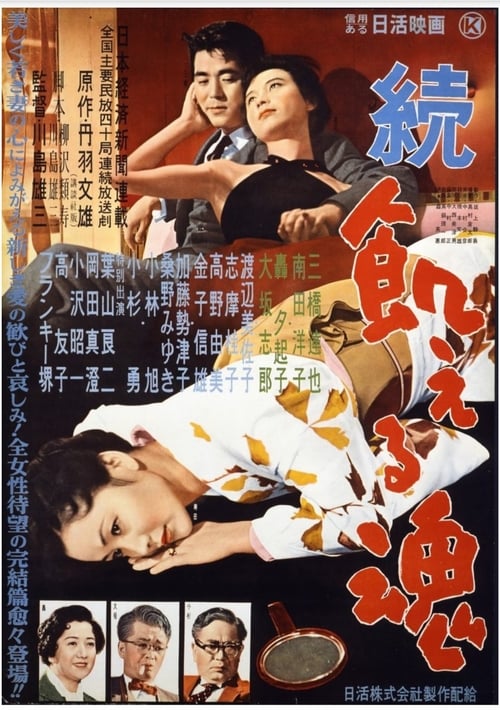
Hungry Soul, Part II
1956
No user ratings available yet
Diversity score: 5.8 out of 10
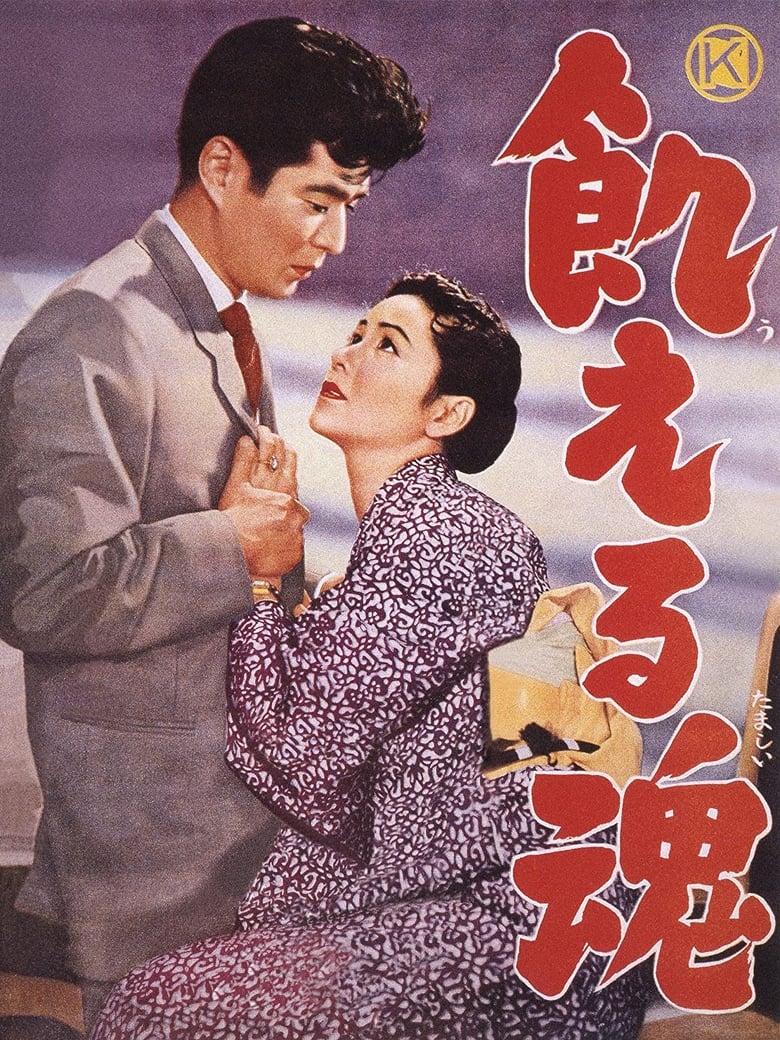
1956
Director
Yūzō Kawashima
Runtime
79 minutes
Average Rating
No ratings yetSynopsis
Reiko, who tolerates abuse in her marriage to a man 23 years her senior, is friends with Mayumi, a beautiful widow. Reiko meets her husband’s business rival, a young, capable businessman, and falls for him. Meanwhile, Mayumi enters into a relationship with Shimotsuma, a friend of her late husband.
Overall Score
Limited
Category Breakdown
LGBTQ+ Representation
The film follows a conventional heteronormative framework. While Reiko and Mayumi share intense emotional bonds, these are presented as companionship and shared social struggle rather than queer identity.
Gender Representation
Female protagonists drive the narrative by navigating and challenging patriarchal domesticity. Reiko’s pursuit of emotional fulfillment outside her marriage disrupts traditional gender hierarchies and grants women significant agency.
Racial & Ethnic Diversity
The cast is a homogeneous Japanese ensemble reflecting its specific historical context. It lacks intersectional racial diversity, focusing instead on the localized post-war Japanese experience.
Religious & Cultural Diversity
The story critiques rigid social orders by exploring the tension between traditional values and modern influences. It emphasizes existentialist themes and individual purpose over state or religious duty.
Disability Representation
The narrative does not address neurodivergence or physical disability. Character struggles remain centered on psychological and socioeconomic pressures.
Strengths
Areas for Improvement
AI Analysis
Hungry Soul is a character-driven drama that finds its strength in its subversion of mid-century social structures. By centering women who actively seek agency within restrictive marriages, the film moves beyond simple domestic melodrama to offer a critique of patriarchal stability. However, the film is limited by its historical specificity. The cast is ethnically homogeneous, and the narrative operates within a strictly heteronormative framework, offering little representation for LGBTQ+ identities or individuals with disabilities. Ultimately, the film's value lies in its cultural and gendered depth rather than demographic breadth. It succeeds as a study of individual purpose against the backdrop of shifting post-war Japanese values.
1956

1961
2001

1933

1965

2016

1953
1961

1952

1961

1950

1980
No reviews yet. Be the first to share your thoughts on this movie!
Use the rating form above to leave a star rating and optional review.