
Ecstasy
1933
No user ratings available yet
Diversity score: 3.9 out of 10
1961
Director
T.J. Särkkä
Runtime
107 minutes
Average Rating
No ratings yetSynopsis
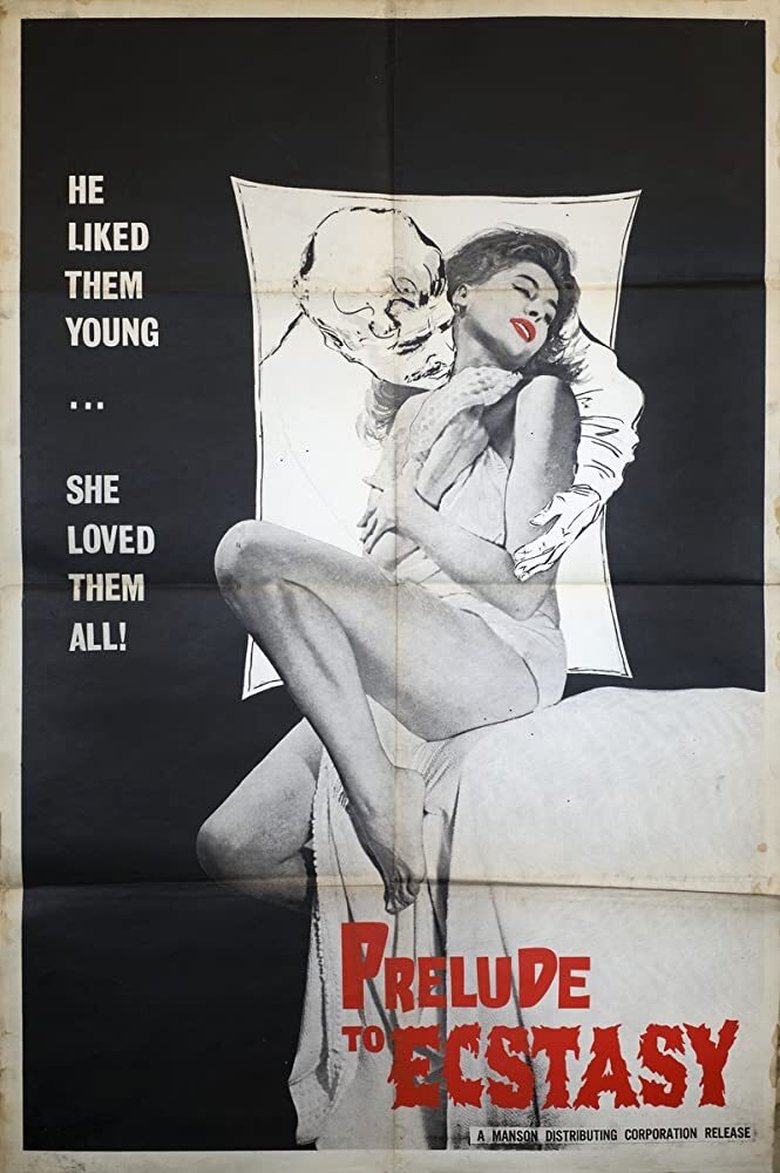
Sten Lehtoja, a married, middle-aged businessman, picks up a young hitchhiker, Elsie, while driving to his summer home. Elsie spends the night and becomes his mistress. Later during the summer, Elsie also begins an affair with Reino, the teenage son of a local storekeeper. Sten offers to divorce his wife, and Elsie, attracted by the prospect of a secure social position, agrees to marry him when the divorce becomes final. One night when the couple are in bed, Reino climbs a ladder and attempts to force his way into their room; he falls and breaks his neck, and to avoid scandal Sten hides the body. But the strain of guilt ruins the romance, and Elsie contacts the police, who arrest her lover.
Overall Score
Limited
Category Breakdown
LGBTQ+ Representation
The film lacks explicit LGBTQ+ characters or non-heteronormative identities. The narrative focuses entirely on a fractured heterosexual triad without queer subtext.
Gender Representation
Elsie drives the plot through her agency, using romantic connections to pursue social mobility. The male characters are depicted as psychologically vulnerable rather than stoic.
Racial & Ethnic Diversity
The cast appears ethnically homogeneous, reflecting the demographic norms of 1961 Finland. The narrative does not engage with racial or ethnic diversity.
Religious & Cultural Diversity
The story critiques the sanctity of marriage and the stability of the family unit. It portrays social standing and interpersonal relationships as transactional.
Disability Representation
There is no nuanced exploration of disability or neurodivergence. Reino's injury serves merely as a tragic plot device to drive the narrative forward.
Strengths
Areas for Improvement
AI Analysis
Preludes to Ecstasy is a psychological drama that prioritizes domestic realism over demographic variety. While it lacks modern intersectional representation, it succeeds in subverting traditional social structures through its focus on infidelity and the breakdown of the nuclear family. The film's strength lies in its character-driven subversion of patriarchal stability. By centering Elsie's ambitions and Sten's psychological ruin, the film moves beyond simple tropes of domesticity. However, the work remains limited by the era's social constraints. It offers almost no representation for LGBTQ+ individuals, ethnic minorities, or characters with disabilities, resulting in a low overall diversity score.
1933

1930

1969

1968

1959

1972

1954
1957

1964

1955
1969

1945
No reviews yet. Be the first to share your thoughts on this movie!
Use the rating form above to leave a star rating and optional review.