
The Maids of Wilko
1979
No user ratings available yet
Representation score: 7.5 out of 10
Representation Score
Fair
2001
Director
Raúl Ruiz
Runtime
120 minutes
Average Rating
No ratings yetNew Showbiz Analysis
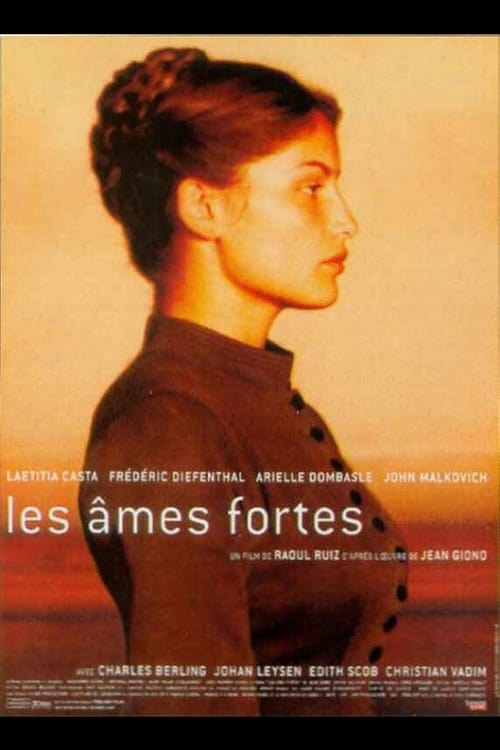
Savage Souls is a character-driven film that emphasizes psychological complexity over broad demographic representation. It excels in subverting traditional social roles, especially through its nuanced portrayal of women's ability to drive the story and the deconstruction of class-based benevolence. However, the film lacks explicit representation of LGBTQ+ identities and racial the way different parts of someone's identity overlap. Ultimately, it offers a sophisticated exploration of morality and social stratification, albeit with limited diversity in its representation.
Category Breakdown
The film does not include explicit representations of LGBTQ+ identities or same-sex intimacy. The plot revolves around a heterosexual relationship and interpersonal dynamics between women.
The story challenges traditional gender hierarchies by emphasizing women's ability to drive the story. Thérèse is shown as an active participant who uses social structures to her advantage, rather than being a passive victim of her circumstances.
Set in mid-20th century rural France, the film focuses on class dynamics. There is no indication of racial the way different parts of someone's identity overlap within the narrative.
The film examines moral relativism and the potential for exploitation within traditional charitable structures. It questions inherent virtues by highlighting survival and personal gain as key motivations.
There is no information about the portrayal of physical or neurodivergent disabilities in the film.
Present on Screen
Limited or Absent
Official Synopsis
At a wake one night in 1945, a group of aged women recall the life of one of their number. Sixty years before, Thérèse was barely 20 years old when she eloped with her boyfriend, Firmin, a blacksmith, to Châtillon, a town in Provence. Here, she makes the acquaintance of the wealthy Madame Numance, who is known for her good deeds. Realising that Thérèse is pregnant and unemployed, Madame Numance insists that she moves into a house on her estate. Whilst Firmin resents the arrangement, Thérèse soon finds that she can exploit the situation, using her benefactor's naivety and generosity for her own gain..
1979
1945
1989
1948

2001

1996

1983

2005
No reviews yet. Be the first to share your thoughts on this movie!
Use the rating form above to leave a star rating and optional review.