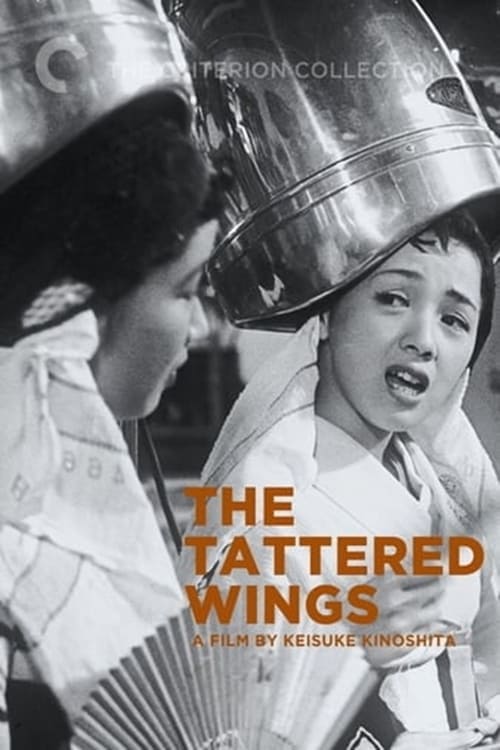
The Tattered Wings
1955
No user ratings available yet
Representation score: 5.6 out of 10

Representation Score
Limited
1961
Director
Keisuke Kinoshita
Runtime
103 minutes
Average Rating
No ratings yetNew Showbiz Analysis
Immortal Love is a generational drama that challenges the myth of the stable, happy nuclear family. By following a loveless marriage over three decades, the film reveals how forced social contracts can lead to long-term familial dysfunction. The film's strength lies in its critique of mid-century social structures. It shifts away from idealized domesticity to highlight the human cost of rigid societal expectations, especially those affecting women's autonomy. However, the film lacks diverse representation. It does not include LGBTQ+ identities or multi-ethnic perspectives, focusing instead on a homogeneous Japanese social context.
Category Breakdown
The story revolves around a heterosexual romantic conflict. There is no depiction of LGBTQ+ identities or narratives that question the assumption that everyone is straight.
The plot centers on a woman's limited control in a forced marriage. This highlights her struggle against strict patriarchal expectations and the societal hierarchy that restricts women’s roles.
As a 1961 Japanese production, the cast and setting are culturally uniform. The film provides insight into the social dynamics of Japan during that time.
The film critiques the traditional family structure as a source of trauma. It portrays a skeptical view of social institutions such as marriage and the nuclear family.
There is no information regarding the portrayal of physical or neurodivergent disabilities in this work.
Present on Screen
Limited or Absent
Official Synopsis
A young woman is forced by circumstance into a loveless marriage while still in love with another. This episodic tale follows their story through three decades of bitter conflict which engulfs their children and those around them.
1955

1948

1955

1967

1969
1950

1956
1973
No reviews yet. Be the first to share your thoughts on this movie!
Use the rating form above to leave a star rating and optional review.