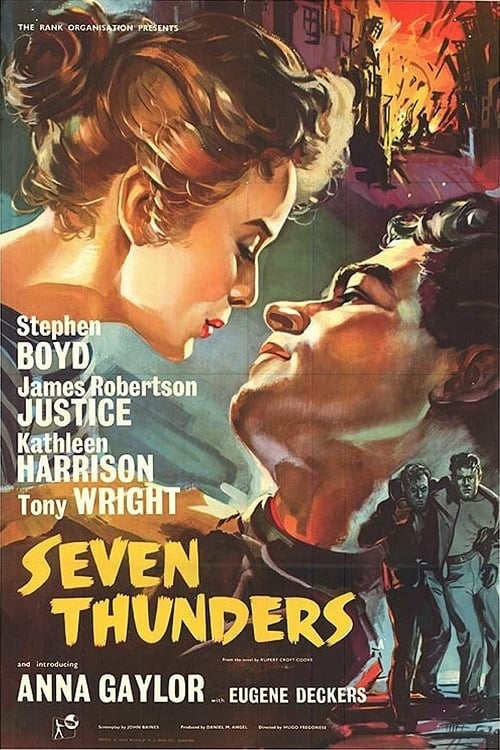
Seven Thunders
1957
No user ratings available yet
Representation score: 3.7 out of 10
Representation Score
Minimal
1945
NRDirector
Zoltan Korda
Runtime
90 minutes
Average Rating
No ratings yetNew Showbiz Analysis
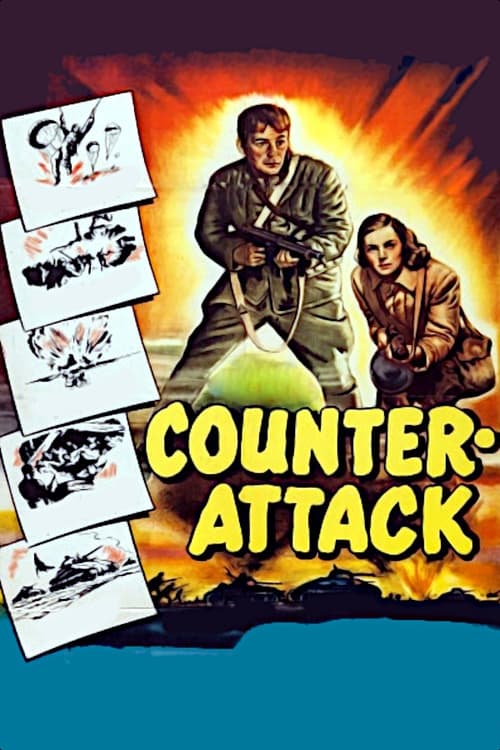
Counter-Attack stands out from many 1940s war films by moving away from the typical Anglo-centric viewpoint. By highlighting the struggles of Russian protagonists against Nazi enemies, the film presents a less common Eastern European perspective. However, the film adheres closely to the conventional themes of its era. It lacks depth in exploring diverse identities and focuses primarily on masculine-coded combat and survival. Consequently, it misses opportunities for broader representation. Overall, while the film challenges the uniformity of the Western Allied perspective, it does not actively address gender roles, LGBTQ+ identities, or disability representation.
Category Breakdown
The film does not feature any LGBTQ+ characters or stories. It focuses on a battle between Russian and Nazi soldiers without addressing issues related to sexual orientation or gender identity.
The story revolves around a conflict between Russian and Nazi soldiers. It emphasizes masculine-coded combat and physical struggle without showing women taking a leading role in the plot.
The film shifts away from the usual Anglo-centric portrayal of World War II by focusing on Russian protagonists. This highlights Eastern European ability to act and offers a non-Anglo-centric perspective for the period.
The film's premise centers on survival and situational morality during wartime. It does not address any critiques of Western institutions or secularism.
The film does not include any characters with visible or invisible disabilities. The story focuses solely on the physical combat and survival of the soldiers.
Present on Screen
Limited or Absent
Official Synopsis
Two Russians fight to escape the seven Nazi soldiers trapped with them in a bombed building.
1957
1957
1950

1945
2006
1944
1945
1943
No reviews yet. Be the first to share your thoughts on this movie!
Use the rating form above to leave a star rating and optional review.