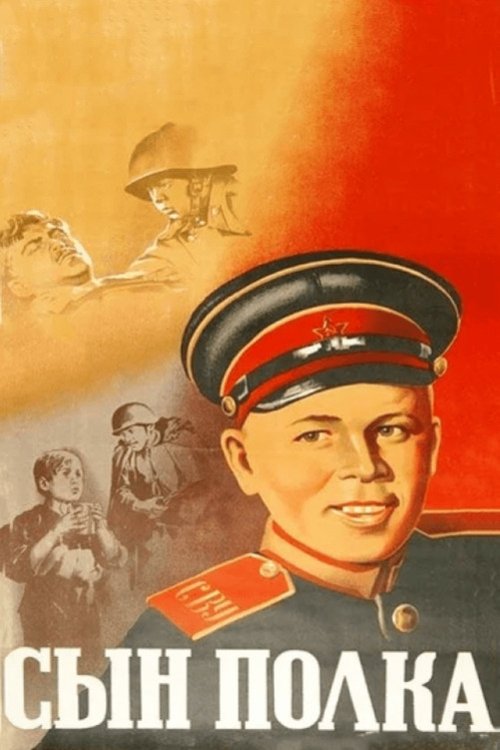
Son of the Regiment
1946
No user ratings available yet
Diversity score: 1.7 out of 10
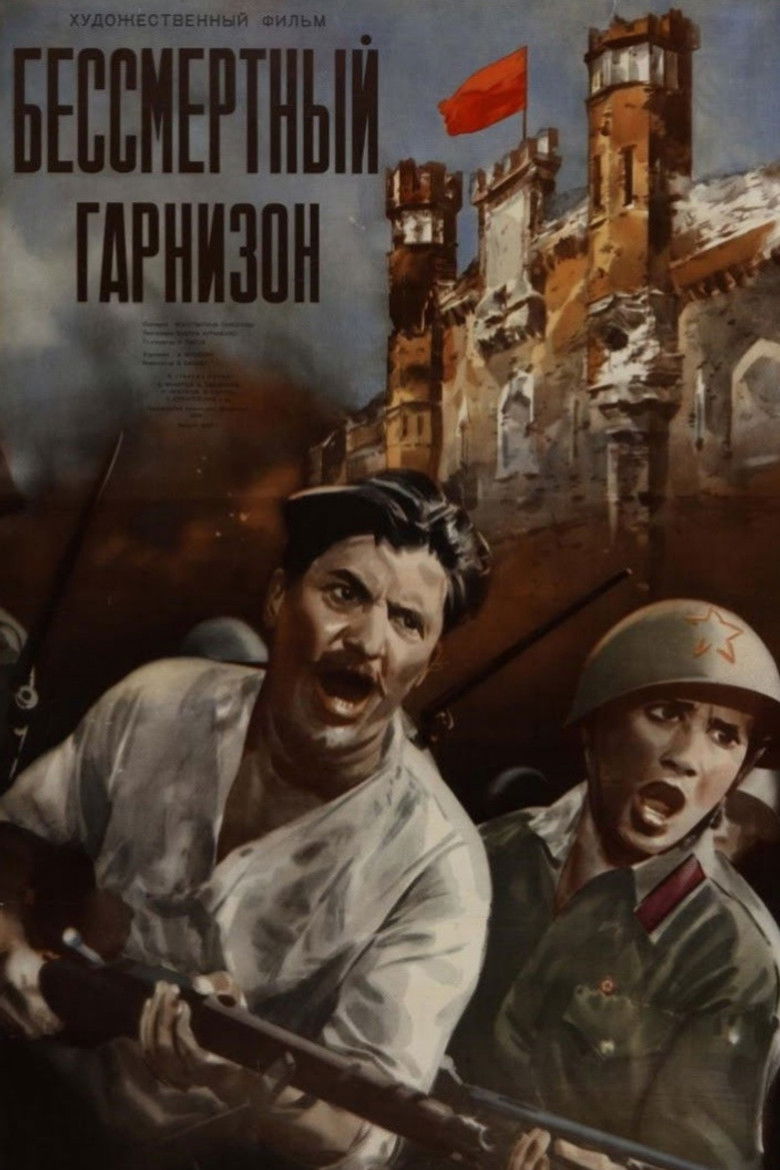
1956
Director
Zakhar Agranenko
Runtime
98 minutes
Average Rating
No ratings yetSynopsis
In June of 1941, at the outset of the Nazi invasion of Russia, a group of Soviet servicemen languidly biding their time at the Brest fortress on the Polish border, are suddenly galvanized into action. All desires to return home to their wives and sweethearts are swept aside as the courageous garrison unites to thwart a common enemy.
Overall Score
Limited
Category Breakdown
LGBTQ+ Representation
The film lacks any depiction of non-heteronormative identities or same-sex intimacy. The narrative focuses on wives and sweethearts, reinforcing traditional heteronormative structures.
Gender Representation
Men hold the central agency as the garrison's defenders. Women serve primarily as emotional anchors and motivations for the soldiers rather than active participants in the plot.
Racial & Ethnic Diversity
The cast likely reflects the Soviet military's ethnic makeup, including Slavic and Central Asian groups. However, the story emphasizes a unified national identity over specific ethnic distinctions.
Religious & Cultural Diversity
The film prioritizes patriotism, military discipline, and state-aligned values. It emphasizes collective duty and national unity rather than exploring diverse individualistic or anti-establishment perspectives.
Disability Representation
There is no information available regarding the portrayal of physical or neurodivergent disabilities within the film's narrative.
Strengths
Areas for Improvement
AI Analysis
The Immortal Garrison is a traditionalist war epic that prioritizes national cohesion and state-aligned heroism. Its narrative structure is built around the defense of the Brest fortress, focusing on collective mobilization during the 1941 Nazi invasion. Representation is heavily centered on conventional social hierarchies. The film reinforces traditional gender roles and heteronormative family structures, using the concept of 'home' and 'sweethearts' to drive the male characters' motivations. While the Soviet setting implies a degree of ethnic variety, the film functions to bolster a singular national identity. It lacks the intentionality to disrupt established social norms, opting instead to celebrate institutional stability and military sacrifice.
1946
1934

2002

1956
1972
1942
1940
1960
1945

1957
1961

2019
No reviews yet. Be the first to share your thoughts on this movie!
Use the rating form above to leave a star rating and optional review.