
The Immortal Garrison
1956
No user ratings available yet
Diversity score: 2.9 out of 10
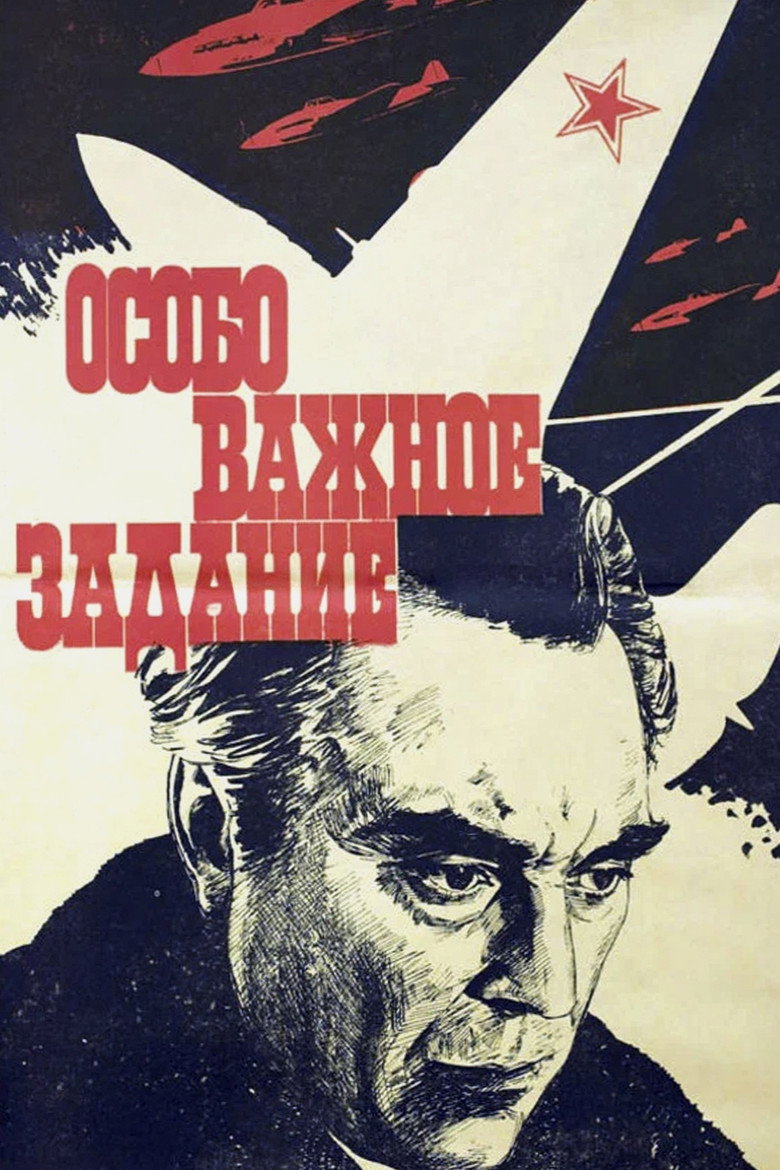
1981
Director
Yevgeny Matveyev
Runtime
138 minutes
Average Rating
No ratings yetSynopsis
Strategical factory should be evacuated. The movie shows how destinies of those working on the factory and their families are being broken. And yet - they have no choice, but to live.
Overall Score
Limited
Category Breakdown
LGBTQ+ Representation
The film lacks any evidence of non-cisnormative identities or same-sex narratives. It appears to adhere to traditional heteronormative structures common in 1981 Soviet war dramas.
Gender Representation
Women likely appear through roles of domestic endurance and factory labor. However, leadership and strategic decisions remain centered on male figures, reinforcing traditional gender hierarchies.
Racial & Ethnic Diversity
The cast likely reflects the demographic homogeneity of the Soviet era. There is no evidence of intentional intersectional variety or multi-ethnic casting approaches.
Religious & Cultural Diversity
The narrative prioritizes collective duty and the survival of state institutions. It emphasizes resilience within a prescribed social order rather than challenging established cultural values.
Disability Representation
There is no indication that disability serves as a central narrative element. No specific characters are identified as having visible or invisible disabilities.
Strengths
Areas for Improvement
AI Analysis
Particularly Important Task is a traditional historical drama focused on the human cost of wartime industrial evacuation. The film emphasizes collective resilience and the weight of institutional necessity over individual identity politics. The narrative explores how systemic upheaval breaks personal destinies, yet it does so within the social and cultural norms of 1981 Soviet cinema. It prioritizes the preservation of the social fabric and state-driven duty. Ultimately, the film functions as a study of survival under duress rather than a vehicle for deconstructing traditional hierarchies or promoting intersectional representation.
1956
1972
1946
2017
2019
1986
2019
1978
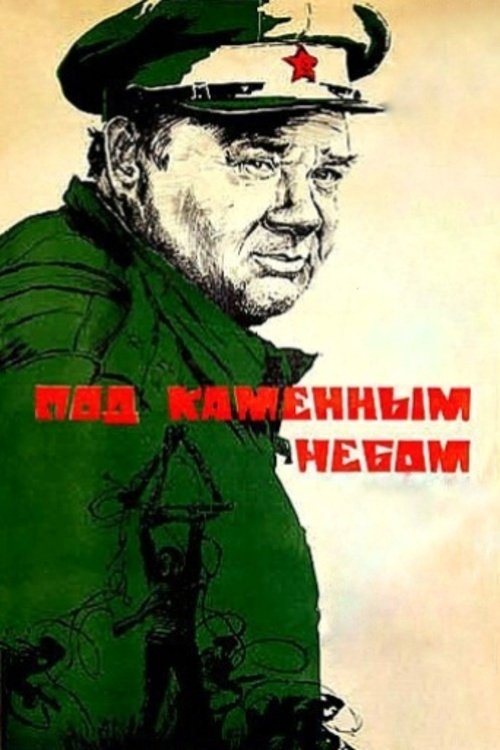
1974
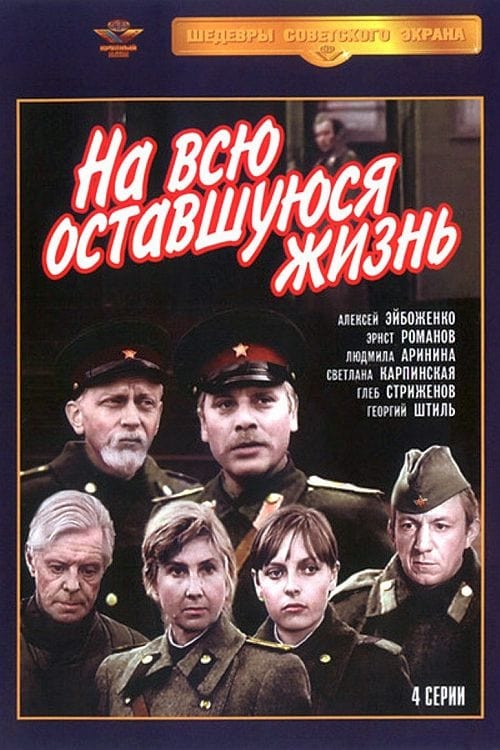
1975

2015

1983
No reviews yet. Be the first to share your thoughts on this movie!
Use the rating form above to leave a star rating and optional review.