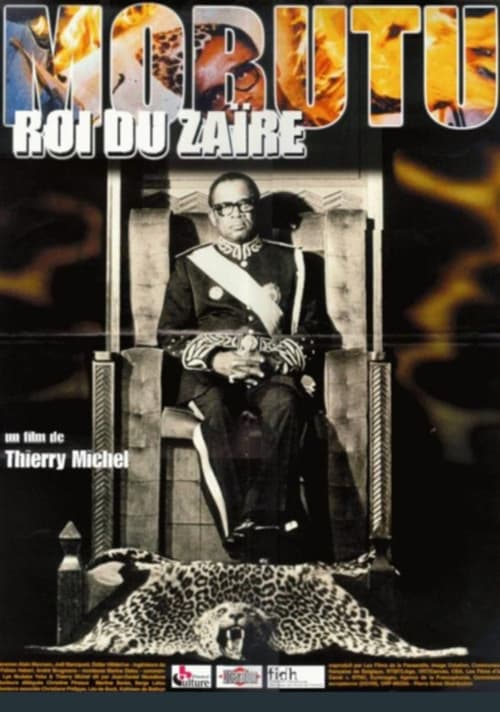
Mobutu, King of Zaire
1999
No user ratings available yet
Representation score: 3.1 out of 10

Representation Score
Limited
1974
Not RatedDirector
Barbet Schroeder
Runtime
90 minutes
Average Rating
No ratings yetNew Showbiz Analysis
Barbet Schroeder’s documentary offers a profound study of post-colonial power by centering African political ability to act. It successfully disrupts Western-centric perspectives by focusing on the internal mechanics of a Ugandan state. However, the film is heavily influenced by the patriarchal nature of the military regime it observes. The narrative is almost entirely composed of hyper-masculine figures, leaving little room for gender diversity or LGBTQ+ representation. Ultimately, the work functions as a vital historical document that prioritizes racial and cultural centering over social inclusivity.
Category Breakdown
The documentary focuses solely on the political and military structure of Uganda. There are no LGBTQ+ characters or stories about non-cisgender identities.
The film is dominated by hyper-masculine figures and patriarchal authority. It lacks women's ability to drive the story, instead documenting a regime defined by masculine military dominance.
The film provides a significant platform for African voices and political ability to act. By centering the Ugandan experience, it disrupts the Western-centric perspective common in mid-century cinema.
The documentary highlights a landscape of moral relativism and nationalist rhetoric. It offers a nuanced view of post-colonial identity that challenges Western notions of governance.
There is no specific focus on visible or invisible disabilities. No characters with disabilities appear as narrative devices within the footage.
Present on Screen
Limited or Absent
Official Synopsis
Filmmaker Barbet Schroeder shows the Ugandan dictator meeting his Cabinet, reviewing his troops, explaining his ideology.
1999

1935
1991

2017

1990

2020

2012

2012
No reviews yet. Be the first to share your thoughts on this movie!
Use the rating form above to leave a star rating and optional review.