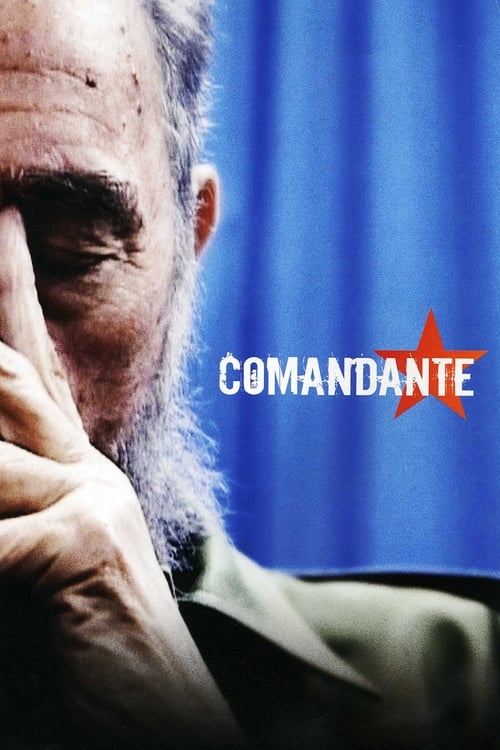
Comandante
2003
No user ratings available yet
Representation score: 3.9 out of 10
Representation Score
Fair
2004
TV-MADirector
Oliver Stone
Runtime
57 minutes
Average Rating
No ratings yetNew Showbiz Analysis
Oliver Stone's documentary effectively deconstructs Western dominance and highlights Global South perspectives. By focusing on the Cuban experience, it challenges the perceived universality of U.S. foreign policy and offers a critical view of imperialist pressures. However, the film operates within a narrow social framework. It lacks engagement with gender diversity or LGBTQ+ identities, focusing instead on the traditional political structures of the time. Ultimately, the work is a study of power and sovereignty. It prioritizes macro-level analysis of systemic, post-colonial struggles over individual social identities.
Category Breakdown
The film primarily focuses on high-level political discussions and revolutionary history without including any LGBTQ+ characters or narratives related to queer liberation.
The story centers around a male-dominated political environment. Although reflecting historical realities, the film does not give significant roles to female figures within the revolutionary context.
The documentary offers a strong platform for non-Anglo-Saxon viewpoints. It emphasizes the Cuban experience to challenge conventional Western-centric views of Cold War history.
The film addresses post-colonial themes and critiques U.S. interventionism. It also examines tensions between the Cuban state and religious institutions such as the Catholic Church.
The film concentrates on geopolitical and socioeconomic structures without portraying physical or neurodivergent disabilities.
Present on Screen
Limited or Absent
Official Synopsis
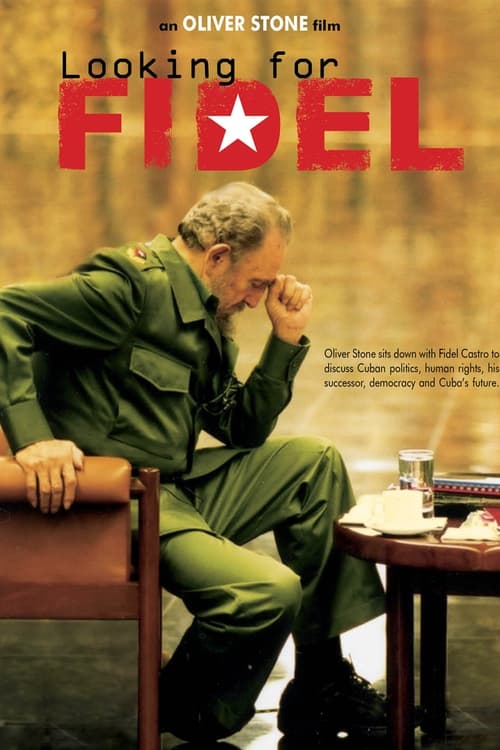
Oliver Stone's second documentary on/interview with Fidel Castro specifically addresses his country's recent crackdown on Cuban dissidents; namely, the execution of three men who hijacked a ferry to the United States.
2003

2017
2012

2011
2014

2012

2014
2020
No reviews yet. Be the first to share your thoughts on this movie!
Use the rating form above to leave a star rating and optional review.