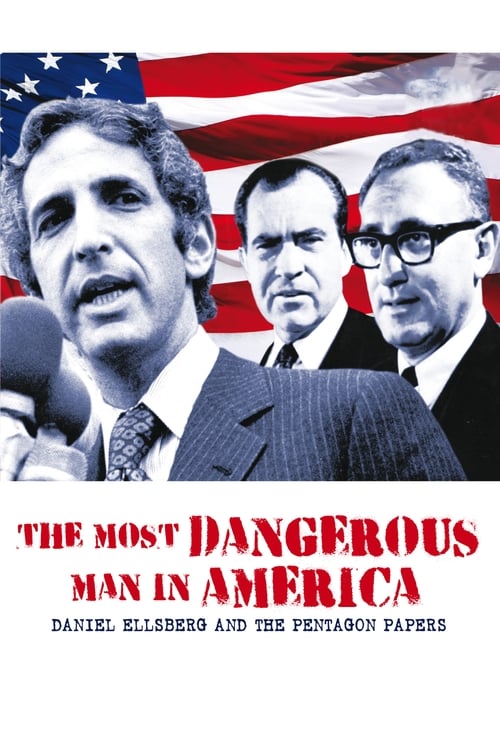
The Most Dangerous Man in America
2009
No user ratings available yet
Representation score: 8.6 out of 10

Representation Score
Limited
2002
Not RatedDirector
Eugene Jarecki
Runtime
80 minutes
Average Rating
No ratings yetNew Showbiz Analysis
The documentary serves as a sophisticated deconstruction of Western political narratives. It challenges the perceived morality of state institutions and highlights the systemic impact of power on global populations. While the film lacks representation regarding gender and LGBTQ+ identities, it provides significant analytical depth regarding racial and cultural power dynamics. It effectively shifts the focus from Western leaders to the human cost of diplomacy in the Global South.
Category Breakdown
The film focuses strictly on mid-20th-century geopolitics and diplomatic history. Consequently, it contains no LGBTQ+ characters or narratives.
The narrative centers on the male-dominated spheres of Cold War diplomacy. Female influence is largely absent from the depicted decision-making processes.
The documentary uses a post-colonial lens to examine Western dominance. It prioritizes the perspectives of those affected by US intervention in Vietnam, Cambodia, and East Timor.
The film critiques Western institutionalism and the pursuit of national interest. It explores the tension between realpolitik and humanitarian ethics through an anti-imperialist framework.
The investigative thesis does not address disability or neurodivergence. These themes are not part of the film's central focus.
Present on Screen
Limited or Absent
Official Synopsis
This riveting documentary depicts former Secretary of State Henry Kissinger as a warmonger responsible for military cover-ups in Vietnam, Cambodia and East Timor, as well as the assassination of a Chilean leader in 1970. Based on a book by journalist Christopher Hitchens, the film includes interviews with historians, political analysts and such journalists as New York Times writer William Safire, a former Nixon speechwriter.
2009

2012
2015

2005

2004

2012
2020
2003
No reviews yet. Be the first to share your thoughts on this movie!
Use the rating form above to leave a star rating and optional review.