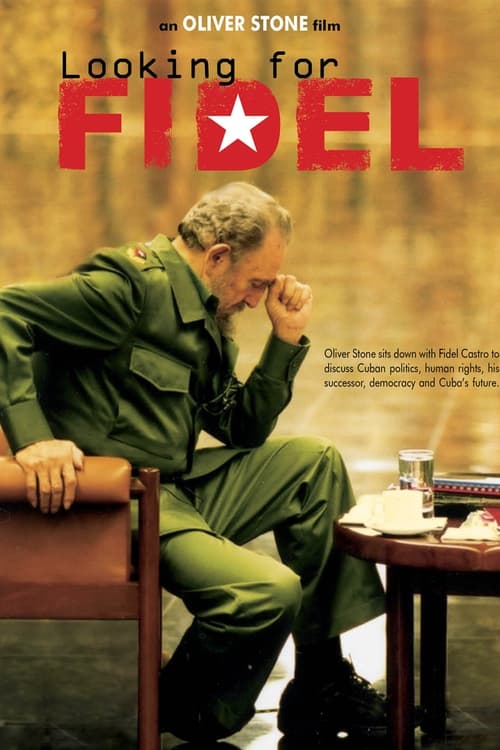
Looking for Fidel
2004
No user ratings available yet
Representation score: 4.1 out of 10
Representation Score
Limited
2003
Not RatedDirector
Oliver Stone
Runtime
99 minutes
Average Rating
No ratings yetNew Showbiz Analysis
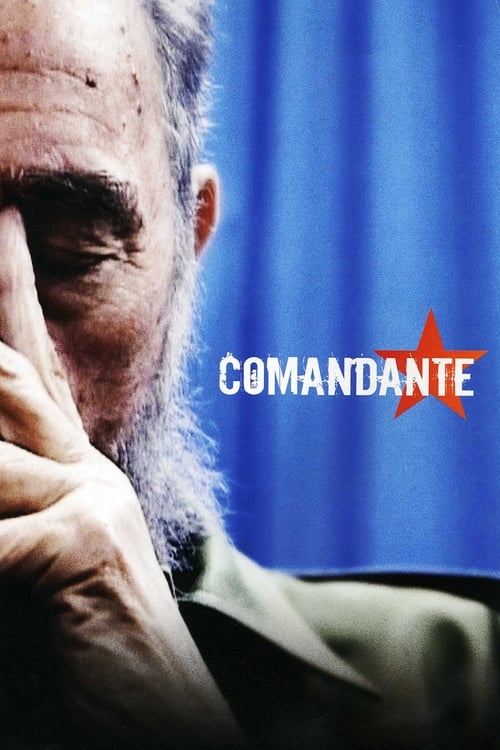
Comandante stands out as a departure from conventional Western-centric documentary filmmaking. It prioritizes post-colonial perspectives and challenges global power dynamics. By centering the Cuban revolutionary experience, the film disrupts the status quo and provides a platform for voices often sidelined in Western geopolitical discourse. However, the film lacks diversity in gender and LGBTQ+ identities. The focus remains heavily on traditional masculine leadership roles, leaving little room for other perspectives. Ultimately, the documentary serves as a tool for deconstructing traditional power structures. It replaces the standard imperialist lens with a framework that validates the pursuit of self-determination and systemic justice.
Category Breakdown
The film focuses solely on the masculine sphere of mid-century revolutionary politics. There are no LGBTQ+ characters or narratives exploring non-straight identities.
The story mainly centers on male figures, reflecting historical gender hierarchies. While it doesn't promote misogyny, it emphasizes political power through male leaders.
The film highlights non-Western perspectives and the Cuban revolutionary experience. It prioritizes Latin American ability to act against external imperial influence, breaking typical Anglo-centric documentary lenses.
The film critiques Western institutions through an anti-capitalist framework. It frames the struggle for socialist governance as a pursuit of systemic justice and sovereignty.
There are no significant depictions of physical or neurodivergent disabilities that impact the narrative arc.
Present on Screen
Limited or Absent
Official Synopsis
Oliver Stone spends three days filming with Fidel Castro in Cuba, discussing an array of subjects with the president such as his rise to power, fellow revolutionary Che Guevara, the Cuban Missile crisis, and the present state of the country.
2004
2017
2012
2012
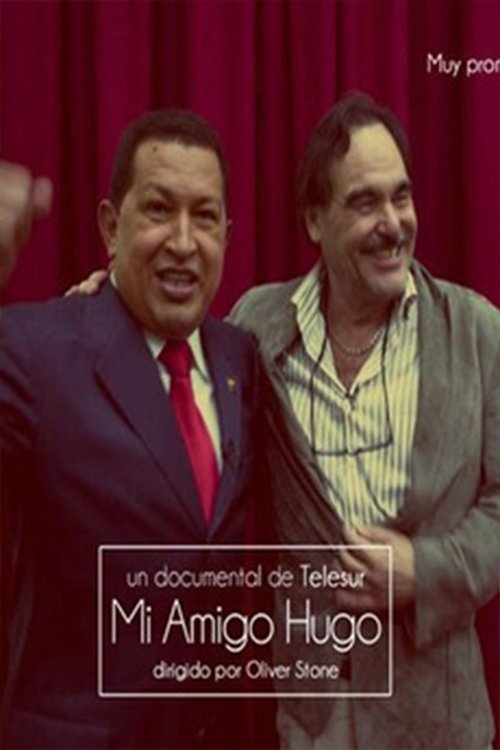
2014
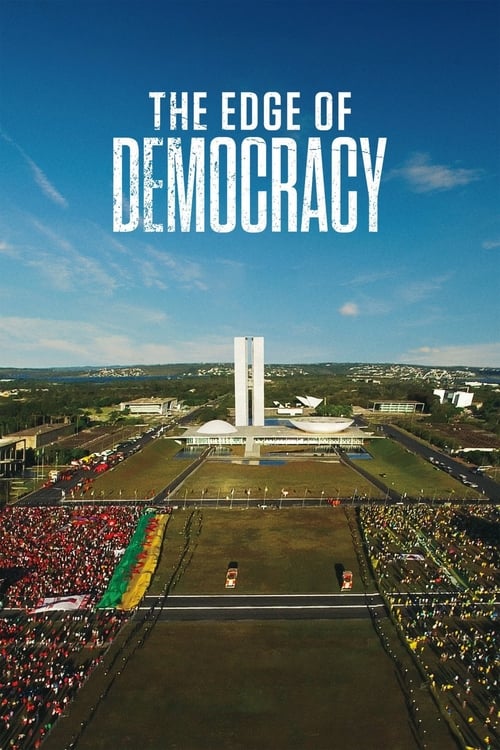
2019
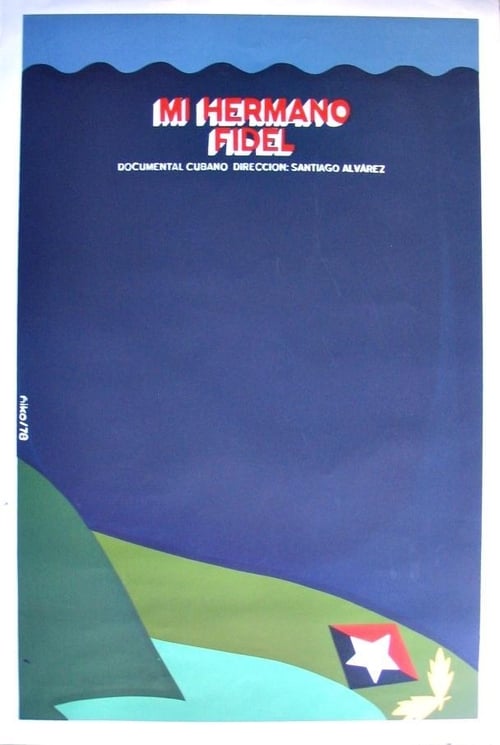
1977
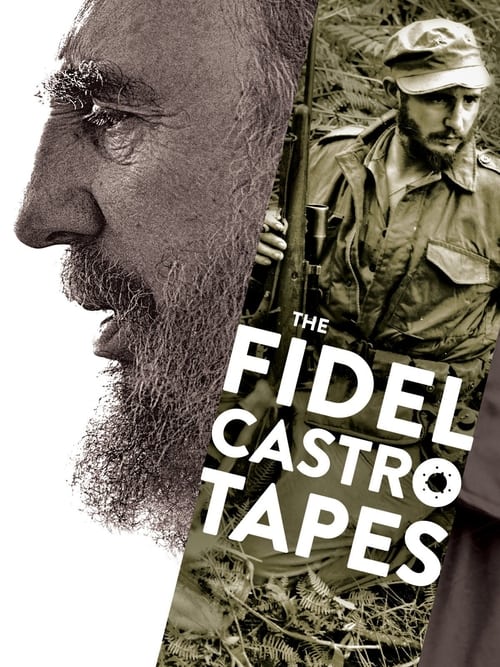
2014
No reviews yet. Be the first to share your thoughts on this movie!
Use the rating form above to leave a star rating and optional review.