
Umbracle
1972
No user ratings available yet
Diversity score: 5.8 out of 10
1977
Director
Pere Portabella
Runtime
165 minutes
Average Rating
No ratings yetSynopsis
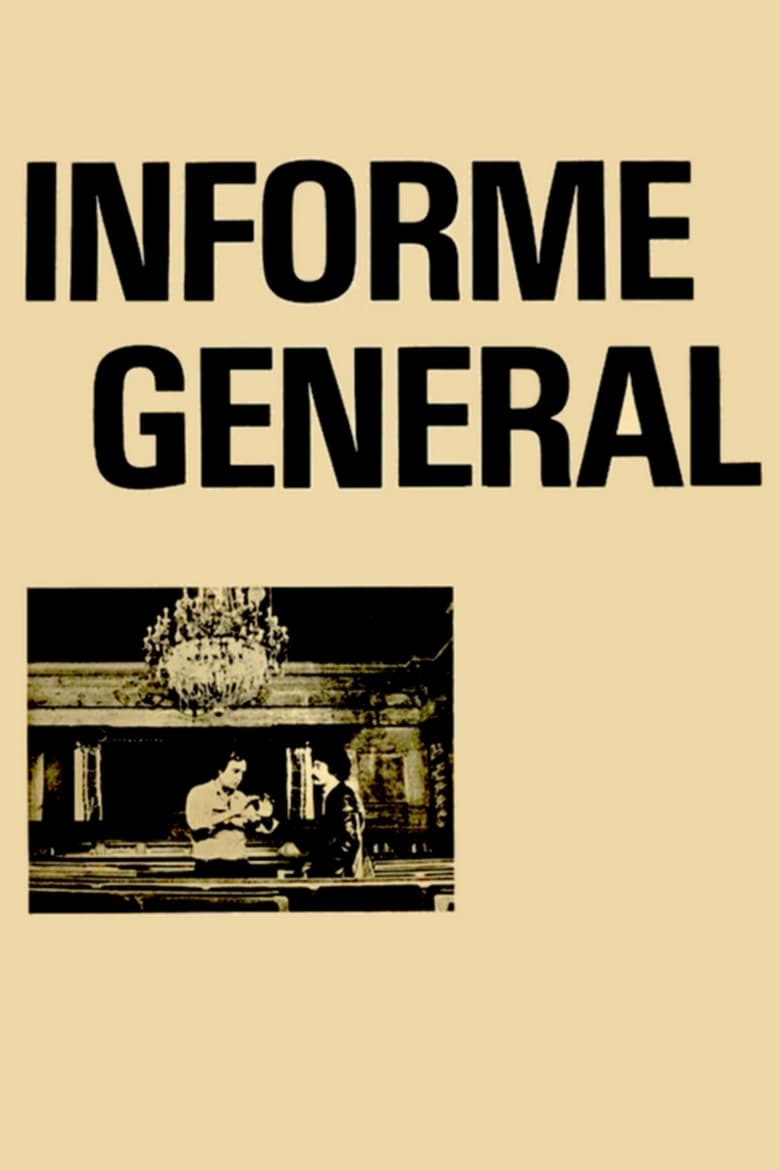
How does a country go from a dictatorship to a democracy? A detailed report on the political representation in the heart of the Spanish Transition, only a few months after General Franco’s death, when the sincere democratic vocation of Spanish people must effort to destroy, one heavy brick after another, the wall that those who supported the dictatorship and those who fought it from the exile built with resentment, hatred and prejudices.
Overall Score
Fair
Category Breakdown
LGBTQ+ Representation
The film's experimental, non-linear architecture prioritizes abstract textures over character-driven narratives. There is no specific evidence of explicit LGBTQ+ identities or same-sex intimacy. The score reflects a lack of overt representation.
Gender Representation
The rejection of standard narrative prevents traditional character arcs or Bechdel test applications. While the film avoids reinforcing gender hierarchies, the lack of developed female agency results in a low score.
Racial & Ethnic Diversity
The film functions as a sociopolitical study of the Spanish Transition. It lacks focus on intersectional racial casting, centering instead on the internal sociopolitical landscape and the dismantling of the Francoist era.
Religious & Cultural Diversity
The film demonstrates progressive value through its structural critique of power. By rejecting a singular, state-sanctioned truth, it dismantles the monolithic institutions and centralized authority of the previous dictatorship.
Disability Representation
There is no discernible evidence regarding the portrayal of physical or neurodivergent disabilities. The focus on abstract imagery and sociopolitical textures precludes specific character-based disability studies.
Strengths
Areas for Improvement
AI Analysis
Pere Portabella’s work is a landmark of formal subversion that prioritizes intellectual architecture over traditional character representation. It functions as a radical deconstruction of the state-controlled narratives that defined the Spanish Transition. The film's strength lies in its ability to challenge monolithic institutions and centralized power through a fragmented, postmodern lens. It rejects cohesive storytelling to mirror the complexities of a nation moving from dictatorship to democracy. However, the experimental nature of the film means it lacks the character-centric depth required for traditional diversity metrics. The absence of developed identities or specific social groupings results in a neutral-to-low score across several categories.
1972
1974
1972
2008

2015

2018
1992
2012
2009
2010

1939

2019
No reviews yet. Be the first to share your thoughts on this movie!
Use the rating form above to leave a star rating and optional review.