
King: A Filmed Record... Montgomery to Memphis
1970
No user ratings available yet
Representation score: 3.9 out of 10
Representation Score
Limited
1972
PGDirector
Arnold Perl
Runtime
91 minutes
Average Rating
No ratings yetNew Showbiz Analysis
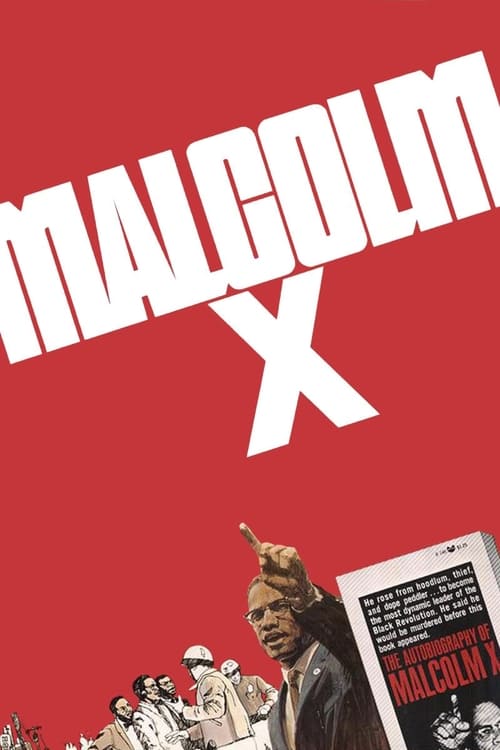
This documentary stands out as a crucial historical document by focusing on the life of a Black revolutionary during a period of homogeneous cinema. It excels in its exploration of racial and cultural themes, using a post-colonial lens to critique Western power structures and systemic racism. However, the film adheres to the gender norms of its time, with women playing supporting or domestic roles rather than driving the political narrative. The focus remains on the individual ability to act of Malcolm X. Overall, the film is a significant departure from mid-century media norms, though it lacks LGBTQ+ or disability representation.
Category Breakdown
The film focuses solely on the life and religious journey of Malcolm X and does not depict any LGBTQ+ narratives or non-straight identities.
Women are shown mainly in supportive or domestic roles within the Nation of Islam. The story emphasizes traditional mid-20th-century gender roles centered around male leadership.
This documentary breaks the mold by highlighting the ability to act and intellect of African Americans. It explores racial identity and the fight against systemic oppression in a nuanced way.
The film presents a strong counter-narrative to Western Christianity by showcasing Islam. It portrays Malcolm X’s journey as a path to global empowerment.
The film does not prominently feature any visible or invisible disabilities that play a central role in the biographical context.
Present on Screen
Limited or Absent
Official Synopsis
James Earl Jones narrates this fascinating and moving documentary about the life of the assassinated black leader through various sources.
1970
1984

1971
2018

1970

1992
1991
2017
No reviews yet. Be the first to share your thoughts on this movie!
Use the rating form above to leave a star rating and optional review.