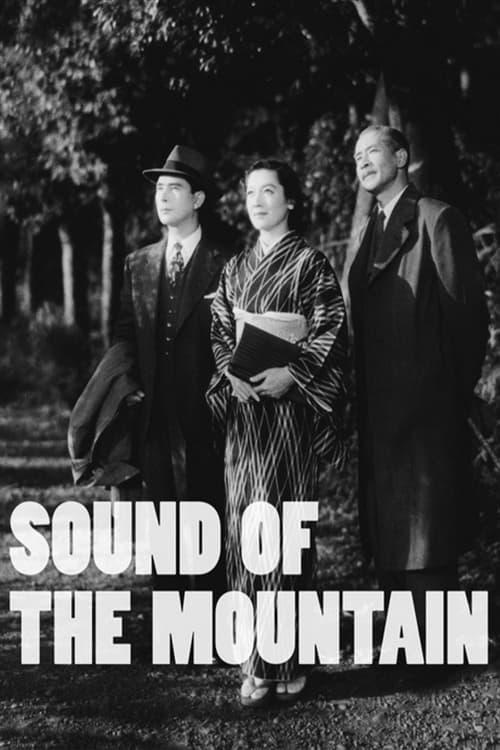
Sound of the Mountain
1954
No user ratings available yet
Representation score: 3.8 out of 10
Representation Score
Good
1953
Director
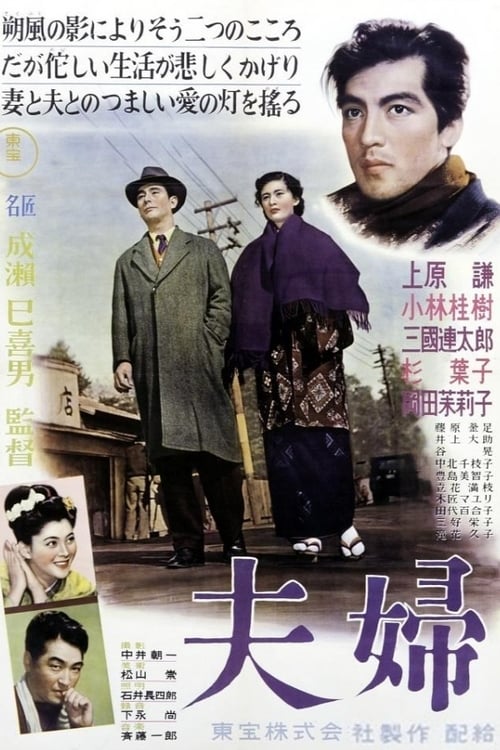
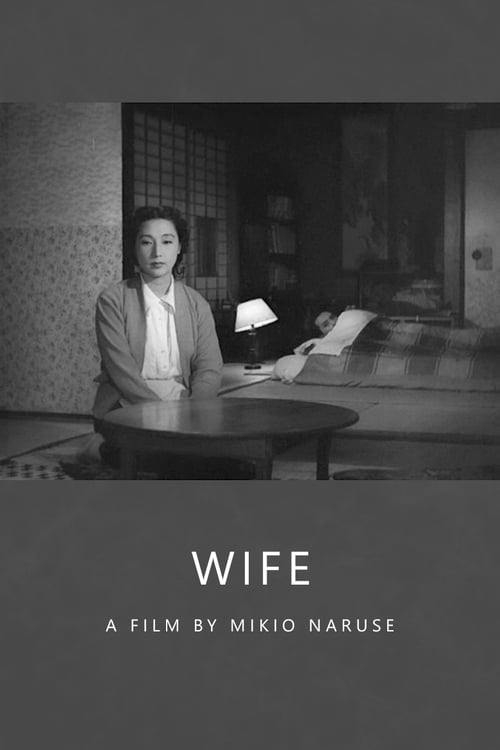
Mikio Naruse
Runtime
87 minutes
Average Rating
No ratings yetNew Showbiz Analysis
Mikio Naruse’s drama succeeds by challenging traditional gender roles and refuses to present a sanitized version of the family unit. The film highlights the instability of marriage and the domestic home through humanistic realism. While the film lacks LGBTQ+ or disability representation, it excels in its nuanced portrayal of gendered emotional labor. It overturns expectations of the submissive wife and the stoic husband by focusing on the husband's jealousy. Culturally, the film provides a complex view of social institutions. It prioritizes subjective emotional truths over prescriptive morality, making it a sophisticated study of post-war Japanese domesticity.
Category Breakdown
The film adheres to a traditional framework that assumes everyone is straight and cisgender. There are no representations of LGBTQ+ identities or non-assuming gender matches what was assigned at birth gender expressions.
Naruse challenges the 'stable provider' stereotype by showing the husband's emotional vulnerability. Female characters play a significant role in driving the story and pass the Bechdel test.
The film showcases a homogeneous Japanese cast reflecting its post-war setting. It maintains cultural authenticity but does not include characters from diverse racial backgrounds.
The narrative dismantles the idealized nuclear family, presenting the domestic unit as a place of disillusionment. It criticizes Western-style individualism encroaching on Japanese social structures.
There are no prominent depictions of physical or neurodivergent disabilities. Struggles are primarily psychological, focusing on emotional alienation and urban isolation.
Present on Screen
Limited or Absent
Official Synopsis
A married couple looking for an apartment move in with the husband's co-worker, a widower. The husband becomes jealous of the widower and his wife.
1954
1957
1953
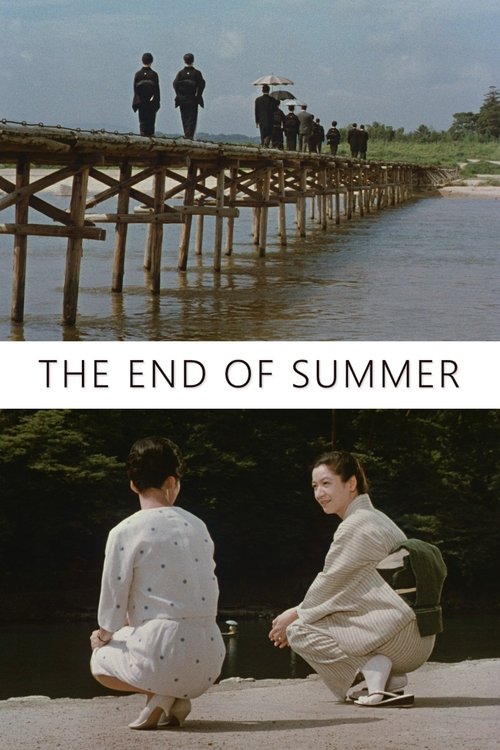
1961
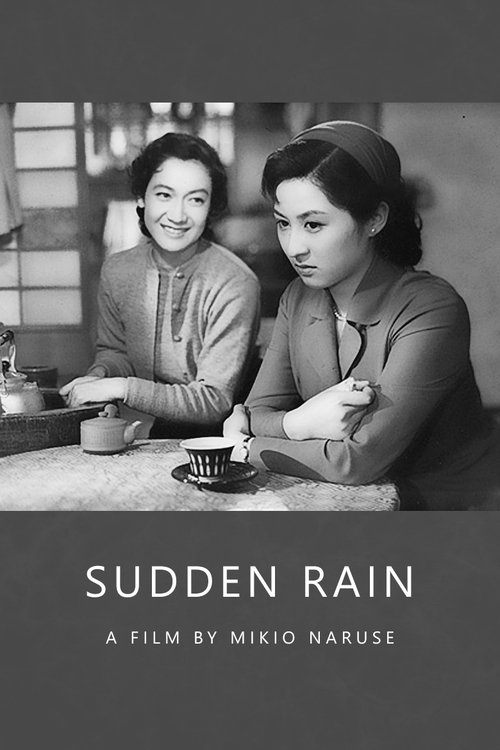
1956
1952
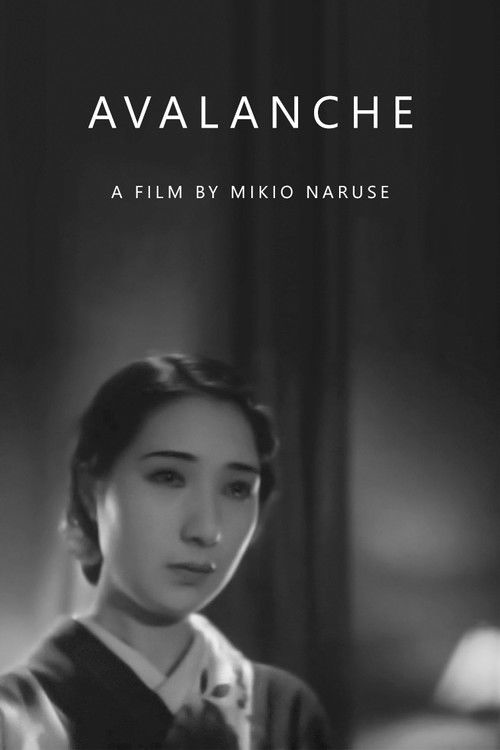
1937
1951
No reviews yet. Be the first to share your thoughts on this movie!
Use the rating form above to leave a star rating and optional review.